What Mold Needs to Grow
Mold needs three things together: a food source, the right temperature, and water. Food and temperature exist in every building. Water is the one variable you can change, and only once you know exactly where it is.
Removing visible growth takes away the mold. It doesn't take away the water. If moisture is still reaching that spot, the conditions are still there, and growth returns.
Why Growth Returns
- The moisture source is still active. A slow leak, a roof or window seep, or a plumbing failure keeps feeding the same area.
- Hidden moisture was never mapped. Wet material inside a wall or under a floor keeps releasing moisture even after the surface looks clean.
- Humidity or condensation is the cause. Poor ventilation, cold surfaces, and high indoor humidity can keep a space damp with no leak at all.
- Only part of the affected area was treated. Growth left in an adjacent area can spread back.
Common Culprits
- Slow plumbing leaks behind walls, under sinks, and under slabs
- Condensation on cold surfaces, windows, and attic sheathing
- Roof, flashing, or window seepage
- Ground moisture in crawl spaces and basements
- HVAC condensate drains and wet duct insulation
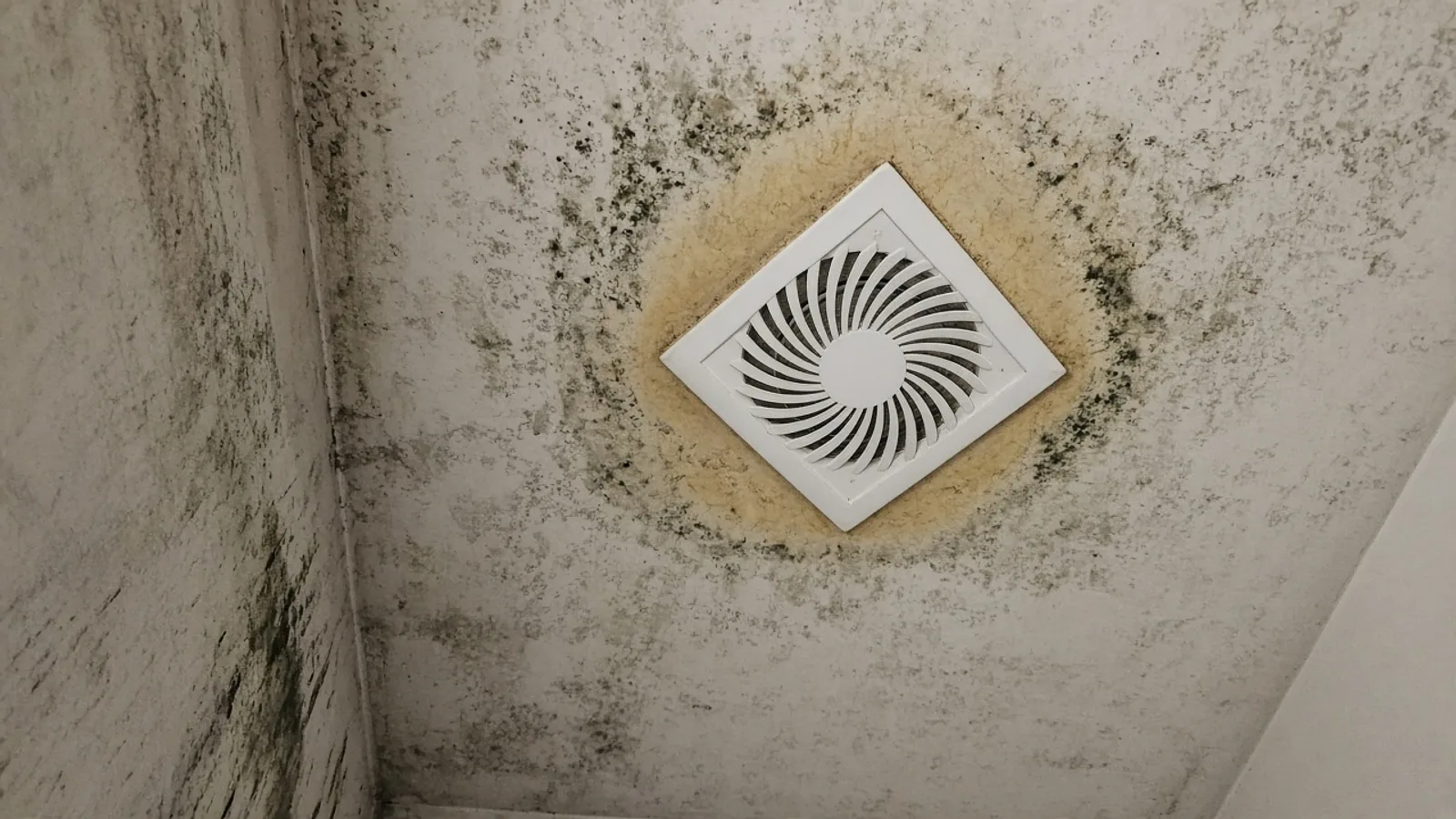
- Bath fans that exhaust into an attic instead of outdoors
Related reading: crawl space mold, attic mold, and mold in HVAC systems.
How an Inspection Finds the Source
An inspection starts with moisture. Calibrated meters measure water content in walls, floors, and ceilings, and thermal imaging shows temperature patterns that can mark leaks and condensation. Together they map how far moisture has spread and where it's coming from. Where growth is suspected, laboratory sampling identifies what's there.
The result is a documented location and cause, which is the information that makes a repair last. See our leak and moisture detection service.
What to Do Before Anyone Repeats a Cleanup
- Get the moisture source located and documented first
- Fix the source, whether that's a pipe, a roof detail, a drain, or ventilation
- Have the affected area dried completely
- Keep photos and records of what was found and what was done
- Avoid painting or sealing over the area until moisture readings are normal
The order matters. We explain why in mold remediation vs mold inspection.
How to Confirm the Fix Worked
A dry-looking surface isn't proof. A follow-up inspection checks moisture readings and thermal patterns in the affected area, and clearance testing compares air or surface samples against the outdoor baseline. Because it's independent of whoever did the work, it's a straightforward confirmation that the problem is resolved. See post-remediation verification and our clearance testing service.
If mold has returned in the same place, schedule an inspection. Finding the source is the part that makes the fix last.