FLIR cameras find moisture, leaks, and insulation gaps behind walls and ceilings without invasive testing.
our services
Certified Mold Inspection
Thermal imaging, moisture meters, and a written report from an inspector with no incentive to oversell.
About
Why a certified mold inspection matters
The dangerous mold is usually the mold you can't see. It grows behind drywall, under flooring, and inside HVAC systems before the smell shows up or the symptoms start. A certified inspection catches it before the repair bill gets serious.
A mold inspection helps you:
- —Find hidden growth behind walls, ceilings, and floors
- —Identify the moisture source that's feeding it
- —Get documentation for insurance, real estate, or legal use
- —Decide whether lab testing is the next step
+
Methodology
How our mold inspectors inspect
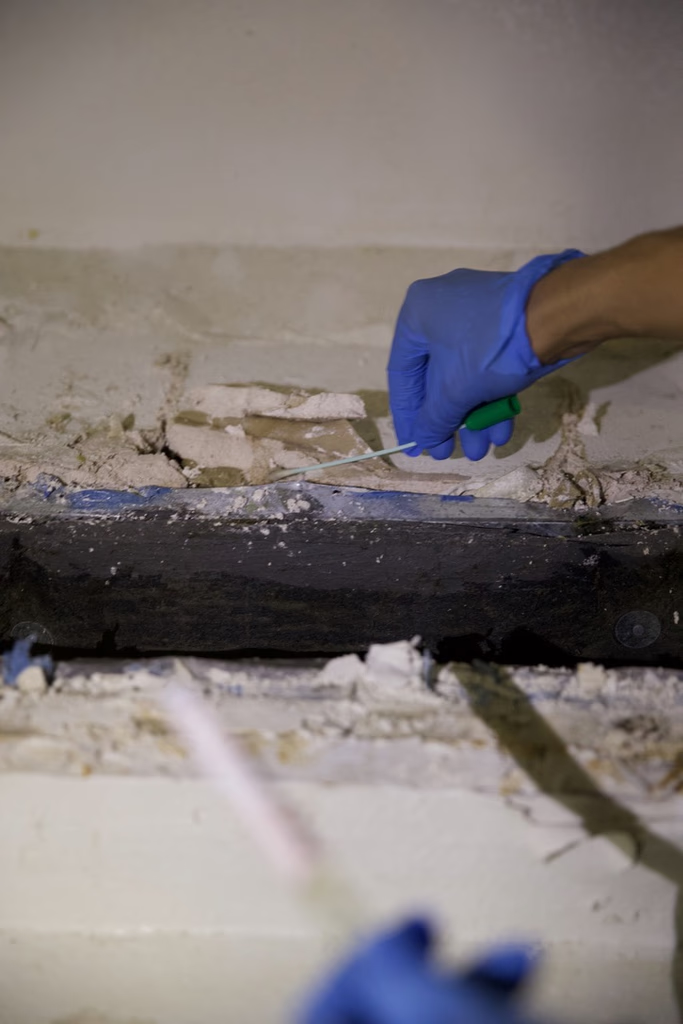
We combine certified field experience with calibrated detection tools
+
Checklist
Is a mold inspection right for you?
A mold inspection is the right starting point if:
- —You've had a recent leak, flood, or water damage event
- —A specific room has musty odors you can't trace
- —You're closing on a property and need documentation
- —Someone in the building has unexplained respiratory symptoms
- —You can see visible mold and want to know how far it goes
Still unsure? Call us. We'll help you work out whether inspection, testing, or both is the right starting point.
+
Inspection Overview
Our mold inspection methods
The four detection methods that make up a thorough property check
Calibrated meters measure water content inside surfaces, identifying leaks, trapped water, and early conditions for mold growth.
Single-family homes, condos, and rental properties, with reports suitable for owners, occupants, and real estate.
Office buildings, retail, hotels, and industrial sites, scheduled around your operations and coordinated with facilities teams.
+
Mold inspection FAQ
Call For An Inspection+
Contact
Request a mold inspection
Tell us what's going on and we'll respond the same day
Phone
+1(866) 308-8880Address
21241 Ventura Blvd #166, Woodland Hills, CA 91364
Hours
- MondayOpen 24 hours
- TuesdayOpen 24 hours
- WednesdayOpen 24 hours
- ThursdayOpen 24 hours
- Friday6 AM – 6 PM
- SaturdayClosed
- SundayOpen 24 hours
Newsletter
The Indoor Air Quality Briefing
Monthly notes from our inspectors on prevention and air quality.