Clearance Testing
Independent, lab-backed proof that the remediation worked and your airborne mold levels are back within normal range. No financial stake in the result either way.
Overview
Mold clearance testing after remediation
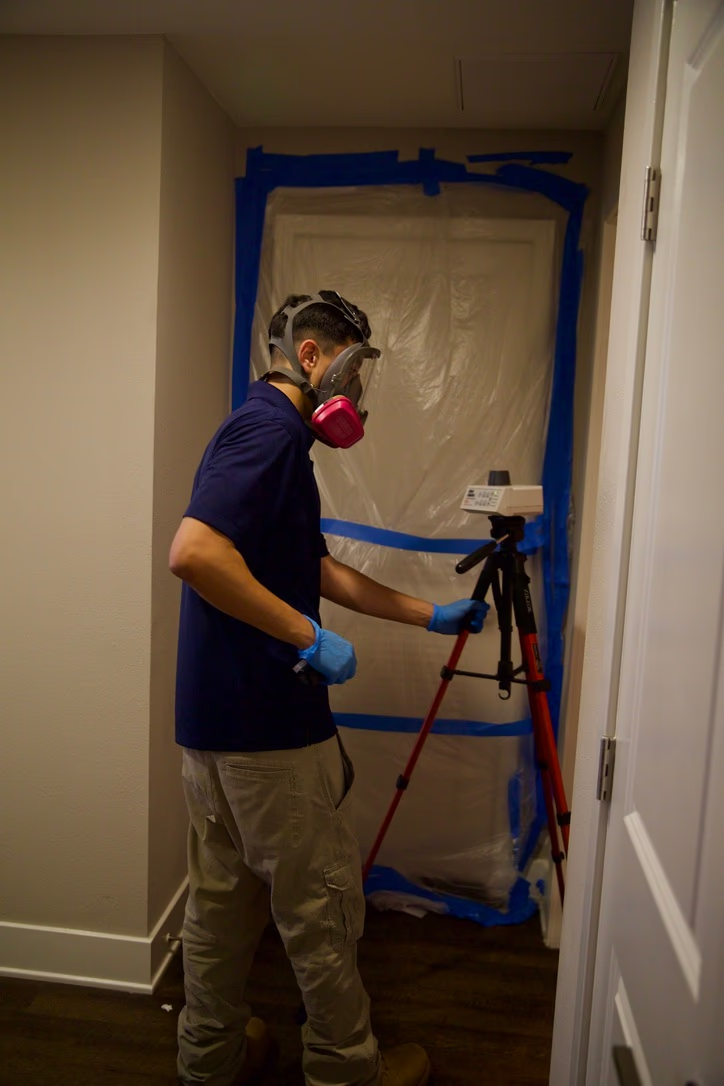
Once the remediation contractor calls the job done, clearance testing answers the only question that matters: do the lab results confirm the space has returned to normal? Our certified mold inspectors collect air and surface samples from the remediated areas and from adjacent control zones, compare counts against established industry guidelines, and produce a written clearance report. Because we perform no remediation work ourselves, the findings stay objective, which is exactly what insurers, landlords, and real estate parties want when they need a conflict-free result.
Mold clearance testing confirms:
- —Airborne spore counts within acceptable ranges after the cleanup
- —Surface contamination removed from all remediated zones
- —Comparison between work areas and unaffected control rooms
- —Conditions appropriate for safe reoccupancy or project close-out
Benefits
What you get from clearance testing
Third-party confirmation that protects owners, tenants, and contractors alike
Independent
No remediation work, so no financial bias in any result.
Guideline-based
Lab-verified results measured against IICRC standards.
Defensible record
Written clearance report accepted by insurers and legal parties.
Pass/fail clarity
Clear language so owners and tenants know exactly where they stand.
About
How mold clearance testing works
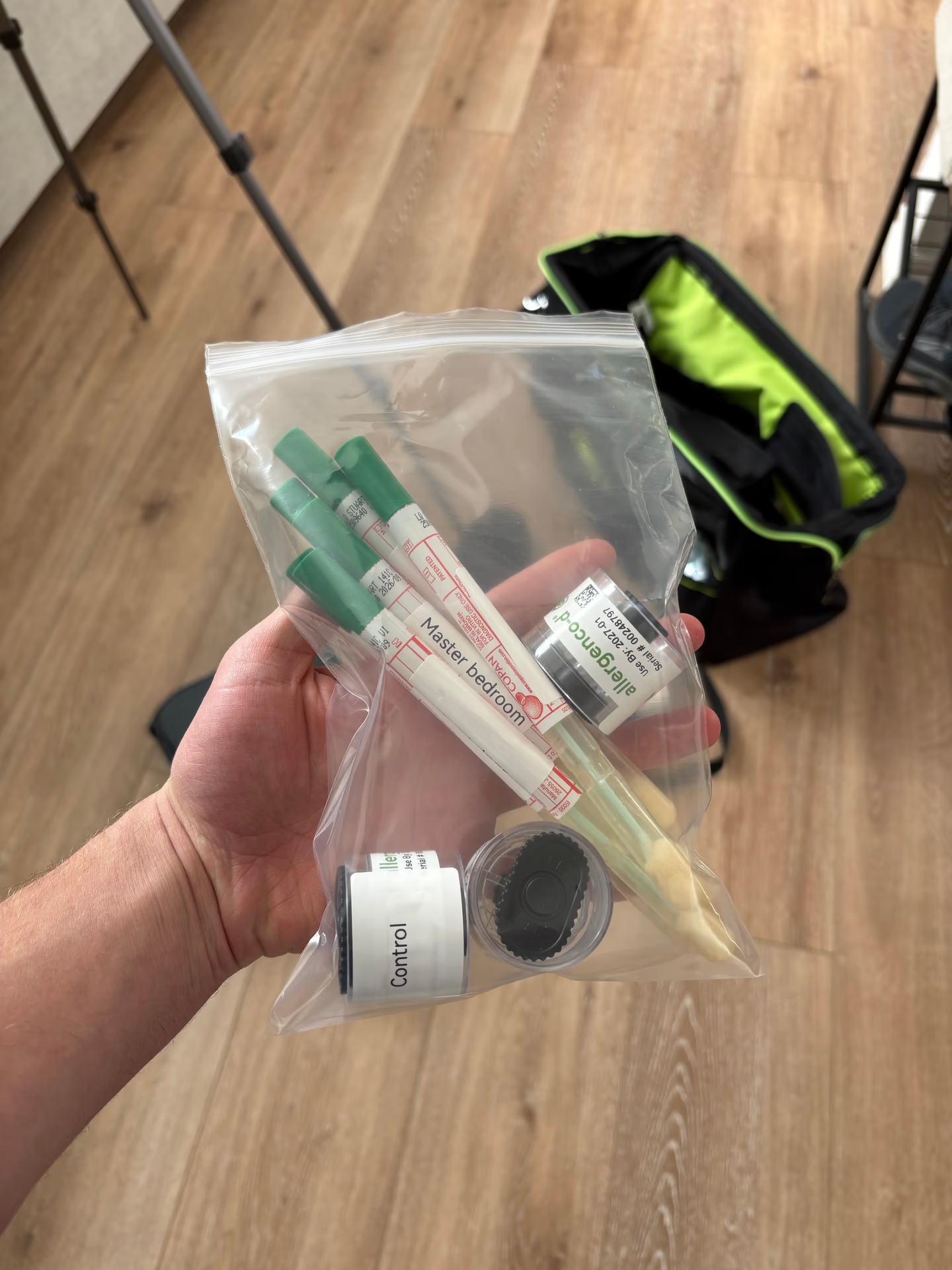
Our certified mold inspectors arrive after the remediation containment has come down and before the space gets cleaned for reoccupancy. Air and surface samples are pulled from work areas alongside untreated control zones, then sent to a state-certified lab for analysis.
Our process includes:
- —Air sampling across remediated areas and unaffected control zones
- —Surface samples from the areas where contamination was found
- —Lab analysis with mold species identification and spore counts
- —A clearance report with pass/fail outcome and supporting data
Mold clearance testing FAQ
Call For An InspectionContact
Book mold clearance testing
Tell us about the project and we'll respond the same day
Phone
+1(866) 308-8880Address
21241 Ventura Blvd #166, Woodland Hills, CA 91364
Newsletter
The Indoor Air Quality Briefing
Monthly notes from our inspectors on prevention and air quality.