
Infrared cameras reveal temperature anomalies that point to hidden leaks, condensation zones, and moisture paths behind finished surfaces.
our services
Leak & Moisture Detection
Find the water before it becomes a mold problem. Thermal cameras and moisture meters locate hidden leaks and saturation without cutting into walls.
About
Why hidden moisture is the real cause of mold
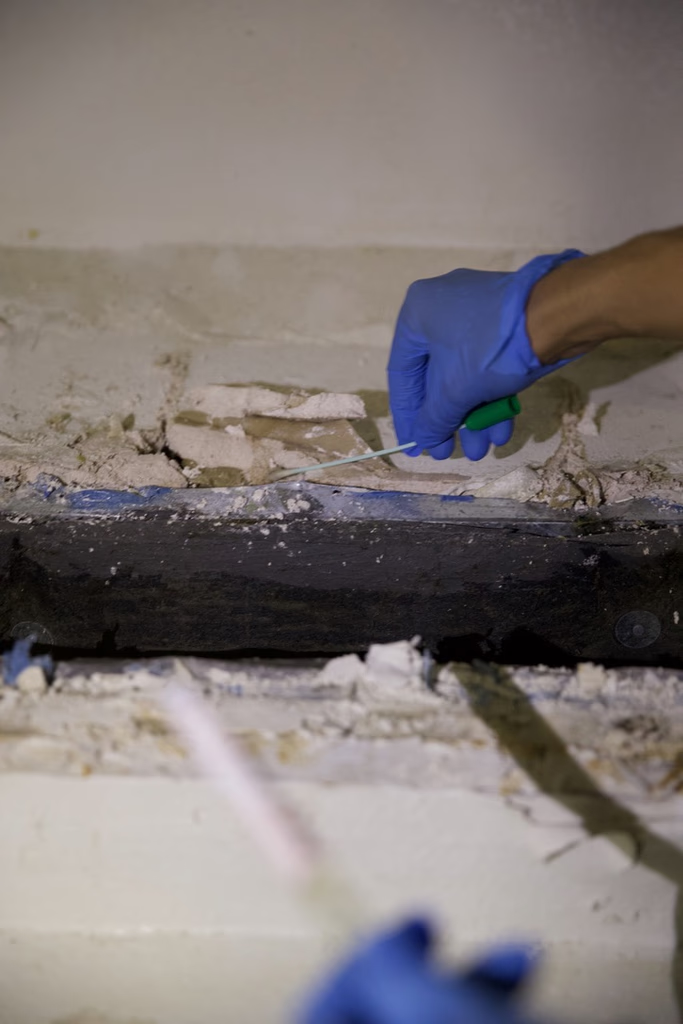
Mold can't grow without three things together: a food source, the right temperature, and water. Food and temperature exist in every building. Water is the one variable you can do something about, and only once you know exactly where it is. A musty smell, an unexplained stain, or rising humidity all point to water getting somewhere it shouldn't. Our inspectors map the moisture through walls, floors, and ceilings using non-destructive instruments, then use thermal cameras to spot temperature differentials marking active leaks and condensation. You get the precise location before any repair starts.
Moisture and leak detection helps you:
- —Pinpoint the exact source of a leak before any demolition
- —Map how far moisture has spread behind walls and under flooring
- —Identify condensation-prone areas before mold has a chance to appear
- —Document baseline moisture levels for insurance or legal records
- —Confirm repairs worked after water damage has been addressed
+
Methodology
How we find hidden moisture
Non-destructive tools that locate water without cutting into the property
+
Checklist
When you need moisture detection
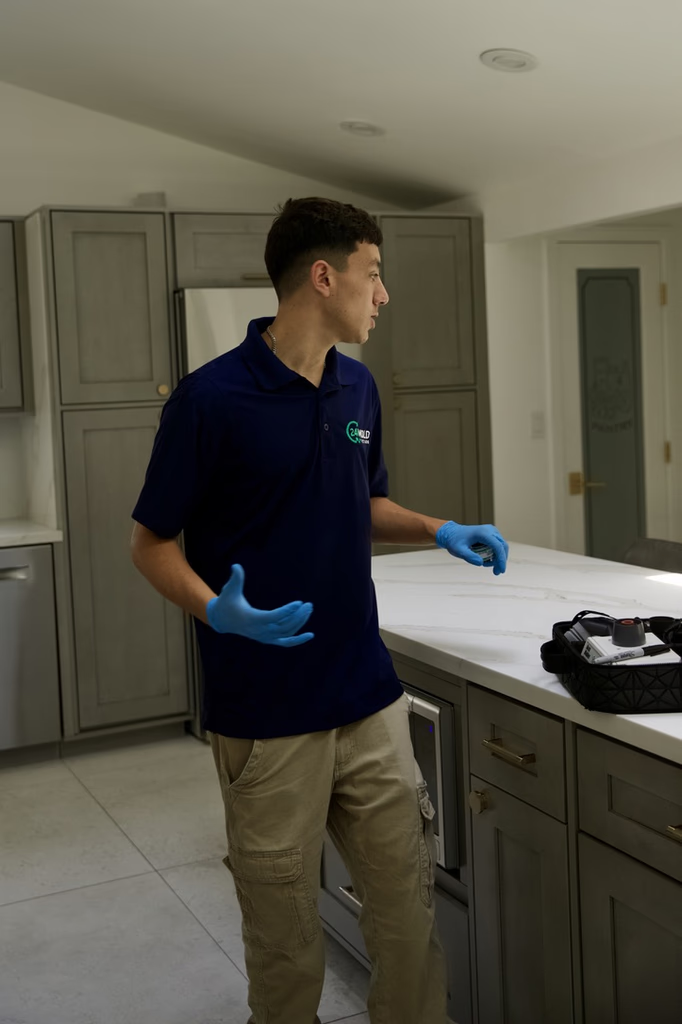
Leak and moisture detection is the right first step if:
- —You smell mold or damp but can't trace the source
- —A recent plumbing leak, roof leak, or flood has hit the property
- —Your water bill suggests an undetected leak somewhere
- —You're closing on a property and want to confirm no hidden moisture
- —Surface mold keeps coming back after cleanup, suggesting an active source
Moisture detection is usually the quickest, most cost-effective approach to mold prevention, scoping a problem before committing to lab testing or remediation.
+
Detection Services
Two methods, complete moisture picture
Two complementary instruments that map moisture conditions across any building
Pin and pinless meters precisely measure water content in walls, floors, and ceilings, mapping how far saturation has spread without any destructive investigation.
+
Leak and moisture detection FAQ
Call For An Inspection+
Contact
Request a moisture detection visit
Tell us what's going on and we'll respond the same day
Phone
+1(866) 308-8880Address
21241 Ventura Blvd #166, Woodland Hills, CA 91364
Newsletter
The Indoor Air Quality Briefing
Monthly notes from our inspectors on prevention and air quality.