Sampling Follows the Inspection
Samples are collected after the inspector has mapped moisture with thermal imaging and meters, so they're taken where they will answer a real question. A sample from a random spot says little. A sample from the place the moisture survey pointed to says a lot.
All samples go to an accredited laboratory, which identifies the genera present and, for air samples, their concentrations.
Air Samples
An air sample draws a measured volume of air through a collection cassette, which a laboratory then examines under a microscope. Samples are usually taken in the area of concern, in another room, and outside.
- Best for. A musty smell, symptoms, or a past leak when nothing visible can be sampled directly.
- What it tells you. Which genera are in the air and whether indoor levels are elevated compared with the outdoor control.
- What it doesn't tell you. Where growth is located or how large it is.
We explain the outdoor control and how to read results in air quality testing for mold. See also air testing.
Tape Lift Samples
A tape lift presses clear adhesive tape against a surface, which picks up spores and fungal material. The tape is sealed and sent to the laboratory for examination.
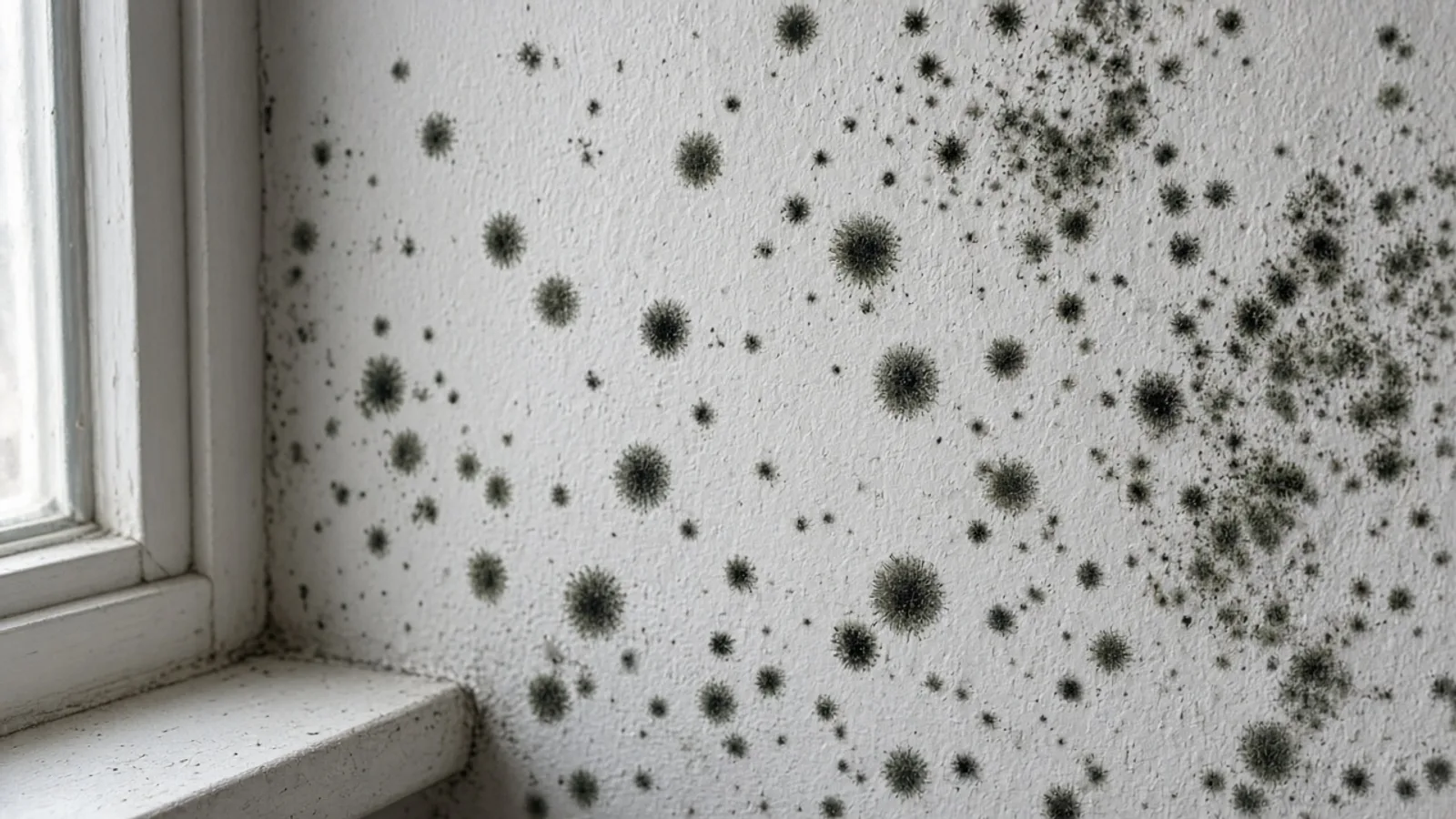
- Best for. Identifying visible staining or growth on a surface, and telling mold from dirt, dust, or discoloration.
- What it tells you. Whether the material is fungal and which genera are present.
- Limits. It samples only the spot where the tape was applied.
More on this method: tape testing.
Swab Samples
A swab wipes a defined area, usually a spot of visible growth, and the swab is sent for analysis.
- Best for. Visible growth on uneven or damp surfaces where tape doesn't stick well.
- What it tells you. Which species are on the surface, which helps document what's present.
- Limits. Like tape, it reflects only the sampled spot.
See swab testing.
Wall Cavity Samples
Wall cavity sampling collects air from inside a wall through a small opening, such as an outlet cover or a small drilled hole, without opening the whole wall.
- Best for. Suspected hidden growth behind a wall where the moisture survey found wet material.
- What it tells you. Whether spores are present in the cavity, which can confirm a hidden source before anything is torn out.
- Limits. It indicates conditions inside the cavity, not how far growth extends.
See wall cavity mold testing.
How an Inspector Chooses
- No visible growth, but smell or symptoms: air samples, sometimes with a wall cavity sample where moisture was found
- Visible staining and a question about what it is: tape or swab
- Wet wall with no visible growth: wall cavity sample
- After repairs: air sampling alongside moisture verification, as part of independent follow-up testing
Often, more than one method is used in the same visit, because each fills in what another leaves open.
What the Lab Report Tells You, and What It Doesn't
A laboratory report lists genera and, for air samples, counts. It doesn't say whether a level is a problem on its own. The inspector interprets the results against the outdoor control, the moisture findings, and the building's condition. That interpretation, tied to a source, is the part that matters.
Home kits skip most of this, which is why their results can mislead. See do DIY mold test kits work?. If you're unsure which sampling your situation needs, schedule an inspection and the inspector will choose based on what the moisture survey shows.