
Swab Testing
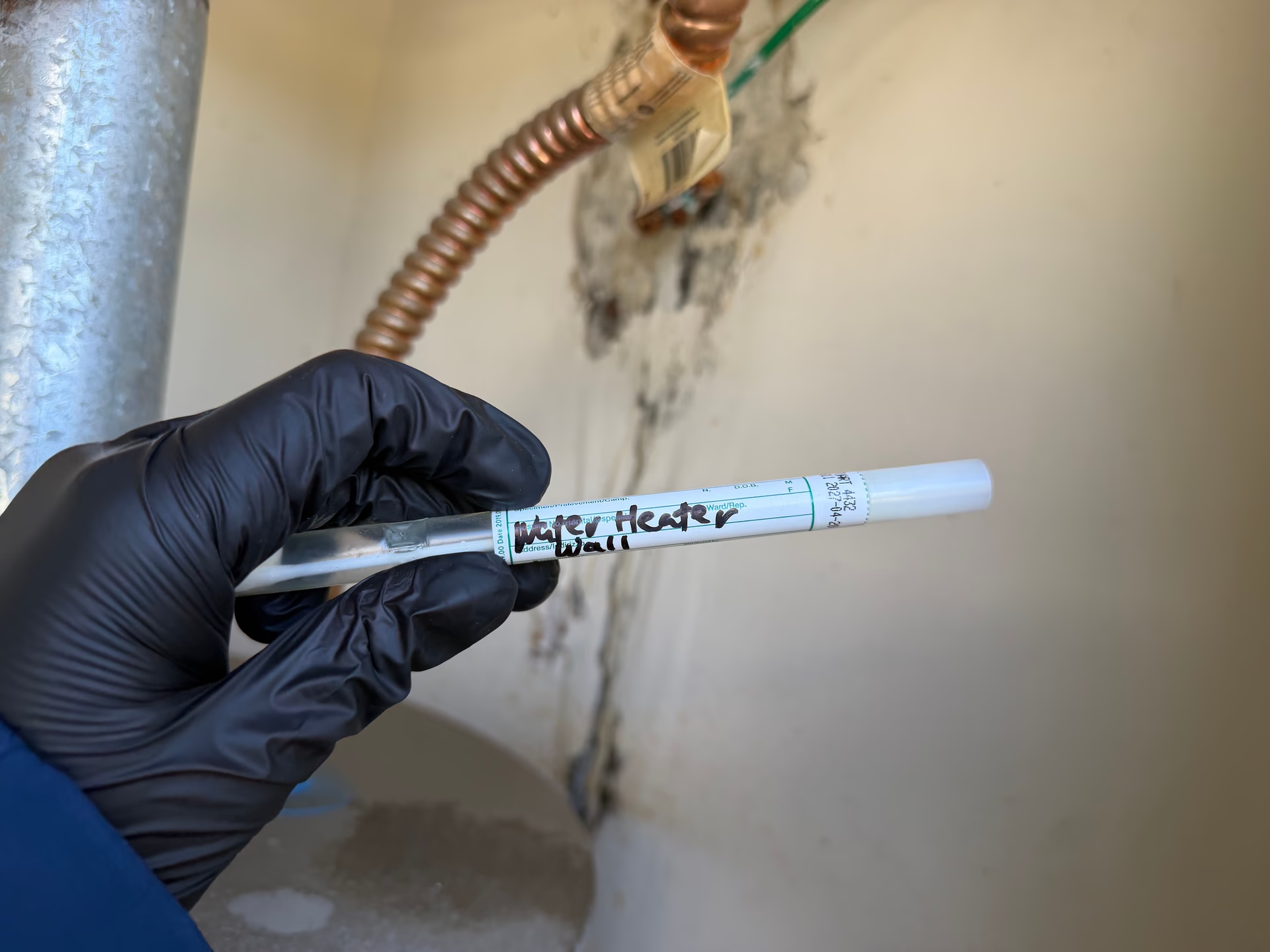
Mold swab testing handles the textured, damp, and irregular surfaces where mold often grows without any visible sign.
Overview
Why mold swab testing matters
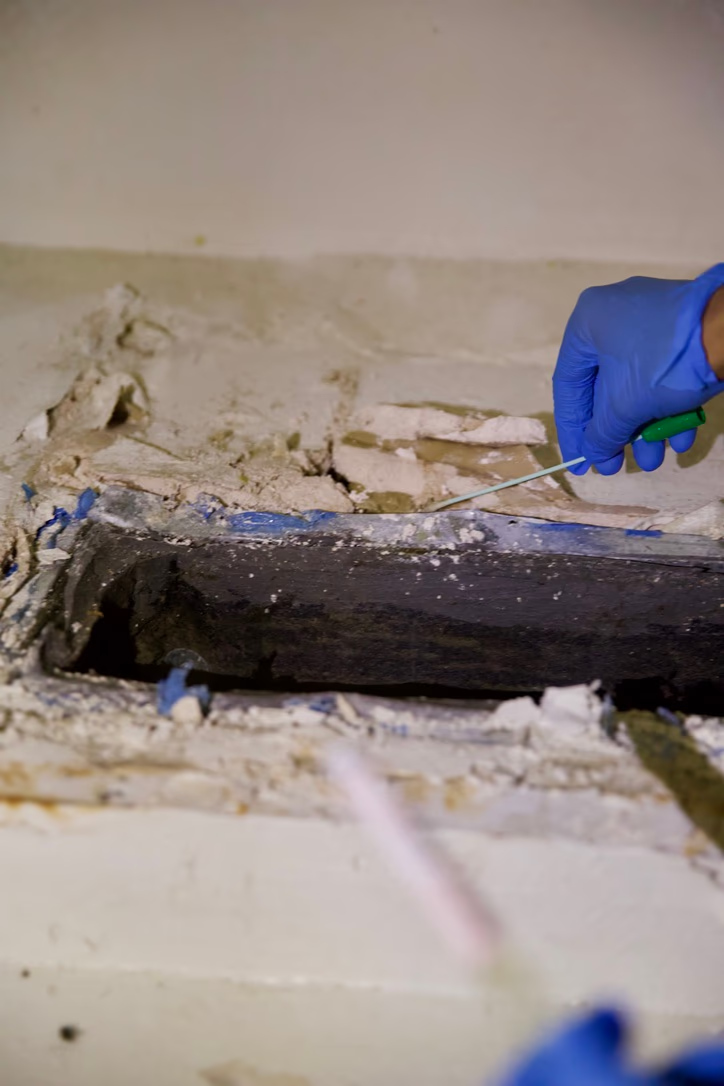
Mold grows in damp areas without always showing on the surface. Swab testing detects microbial growth on materials that are soft, porous, or moisture-prone, and is the right approach after water damage or in spaces that resist visual inspection.
Mold swab testing detects:
- —Hidden mold on porous or textured materials
- —Growth in damp spots like under sinks or around HVAC
- —Contamination on organic materials including wood and fabric
- —Mold that visual inspection alone tends to miss
Benefits
What you get from swab testing
A flexible method for hard-to-sample surfaces
Moisture-ready
Designed for damp and water-damaged materials.
Flexible
Handles uneven, porous, and irregular surfaces.
Confirmatory
Validates mold presence in hidden or subtle areas.
Lab-backed
Lab-verified results with species identification.
About
How mold swab testing works
Our certified mold inspectors gently rub a sterile swab across the suspect area to collect a sample, then seal it and send it to a state-certified lab for mold species identification and contamination level.
Our process includes:
- —Sterile collection from textured surfaces and porous materials
- —Coverage of damp surfaces and hard-to-reach spots
- —Lab work returning spore counts and lab-verified results
- —A mold inspection report with clear next steps
Mold swab testing FAQ
Call For An InspectionContact
Book mold swab testing
Tell us what's going on and we'll respond the same day
Phone
+1(866) 308-8880Address
21241 Ventura Blvd #166, Woodland Hills, CA 91364
Hours
- MondayOpen 24 hours
- TuesdayOpen 24 hours
- WednesdayOpen 24 hours
- ThursdayOpen 24 hours
- Friday6 AM – 6 PM
- SaturdayClosed
- SundayOpen 24 hours
Newsletter
The Indoor Air Quality Briefing
Monthly notes from our inspectors on prevention and air quality.