What the Smell Usually Means
Damp building materials and microbial growth can give off a musty, earthy odor. When the source is inside a wall, under a floor, in a crawl space, or in an air conditioning system, there may be nothing to see. We explain the chemistry in what MVOCs are and why they matter.
Not every bad smell is mold. Old carpet, pets, sewer odors, and spoiled food can all smell musty. The clue that points to moisture is a smell that stays in one area, gets stronger after rain or when the air conditioning starts, or comes back after cleaning.
Where to Look First
- Under sinks and behind toilets. Slow supply-line and drain leaks are a very common source.
- Around washing machines and water heaters. Hoses, pans, and connections can leak a little for a long time.
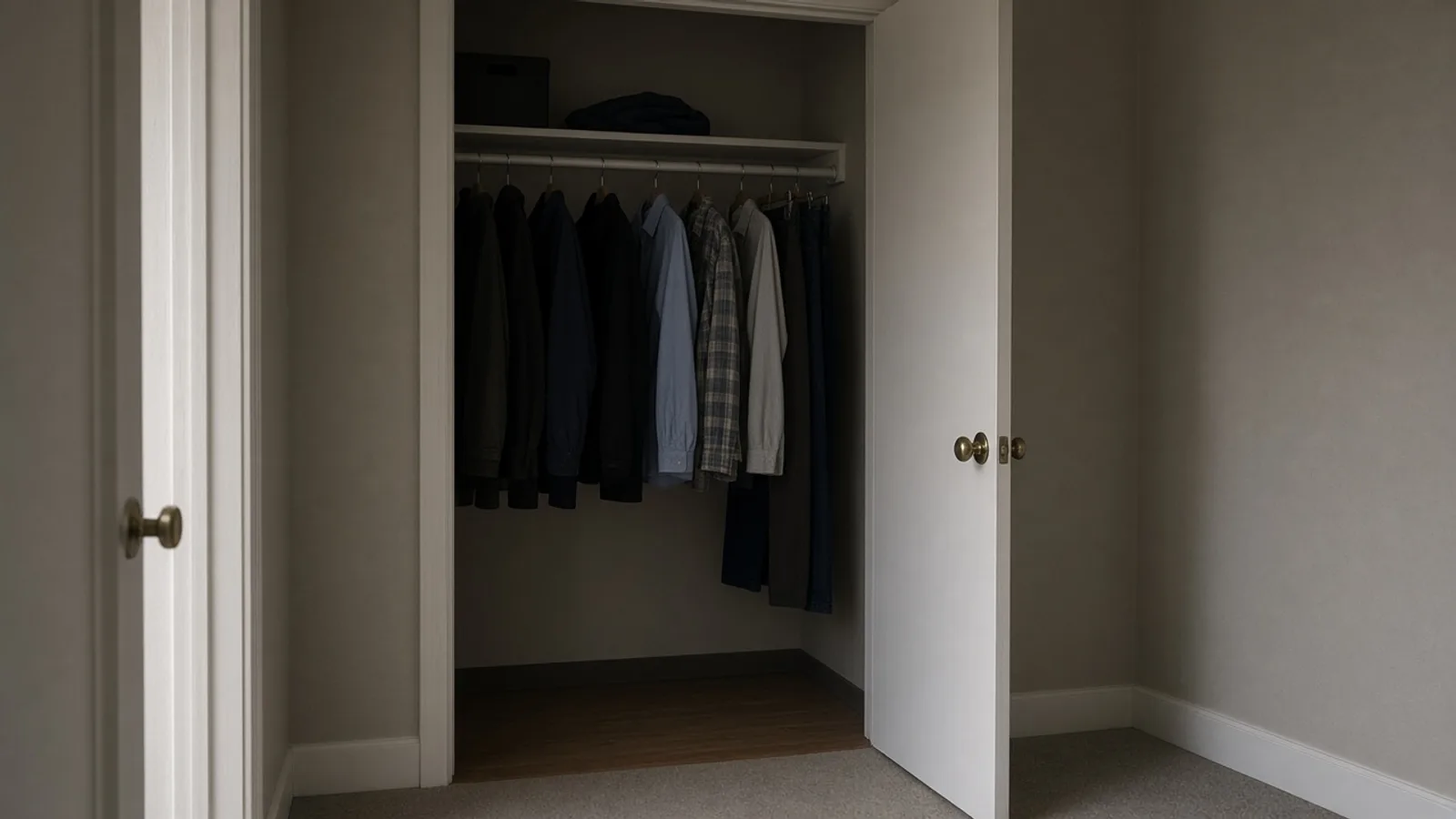
- Closets and walls on the outside of the building. Cold exterior walls collect condensation, and furniture pushed against them traps it.
- The attic. Roof leaks, bath fans venting into the attic, and condensation on the underside of the roof deck.
- Crawl spaces and basements. Ground moisture and poor ventilation. See crawl space mold inspection.
- The air conditioning system. Clogged condensate drains, wet insulation, and damp duct runs. See mold in HVAC systems.
- Under carpet, rugs, and flooring. Moisture from a slab or a past leak can sit there for a long time.
Clues That Narrow It Down
- Does the smell get stronger when the air conditioning or heating starts? That points toward the system or ductwork.
- Is it worse after rain? That points toward the roof, walls, windows, or ground moisture.
- Is it strongest in one room or one closet? Start there, and check the wall behind and below it.
- Is it worse in the morning, or when the house has been closed up? That can point to condensation or humidity.
- Is there a stain, bubbling paint, warped baseboard, or soft spot nearby, even a small one?
What an Inspection Does About It
An inspector doesn't rely on smell. The process works from the moisture outward:
- Thermal imaging scans walls, ceilings, and floors for temperature patterns that can point to moisture. See thermal imaging in mold inspections.
- Moisture meters confirm whether flagged material is actually wet and map how far it extends. See pin vs. pinless moisture meters.
- Air sampling compares indoor spore levels with an outdoor control sample, which can show whether there is growth you can't see.
- Wall cavity or surface sampling is added where the moisture findings justify it.
The report ties the findings to a likely source, which is what decides the repair. For more on why hidden growth is common, see is mold always visible?
What to Avoid in the Meantime
- Don't mask the smell with sprays or air fresheners. It hides the clue without fixing anything.
- Don't open walls or pull up flooring before the source is documented.
- Don't scrub or bleach suspect areas. It disturbs spores and removes evidence.
- Do note when and where the smell is strongest, and write it down for the inspector.
If a musty smell keeps coming back or has no obvious source, schedule an inspection. The sooner the source is found, the smaller the repair tends to be.