Why Test Inside the Wall
A wall can look completely normal while the framing and insulation inside are wet. Leaks from plumbing, roofs, windows, and stucco often end up in wall cavities, where the water stays in the dark with no airflow. That is the combination mold uses.
Tearing open a wall to look is destructive and expensive, and it can spread spores through the room. Wall cavity testing is a less invasive way to find out whether growth is likely in there.
How It Works
- The inspector first maps moisture with thermal imaging and meters to find the wall that is actually wet.
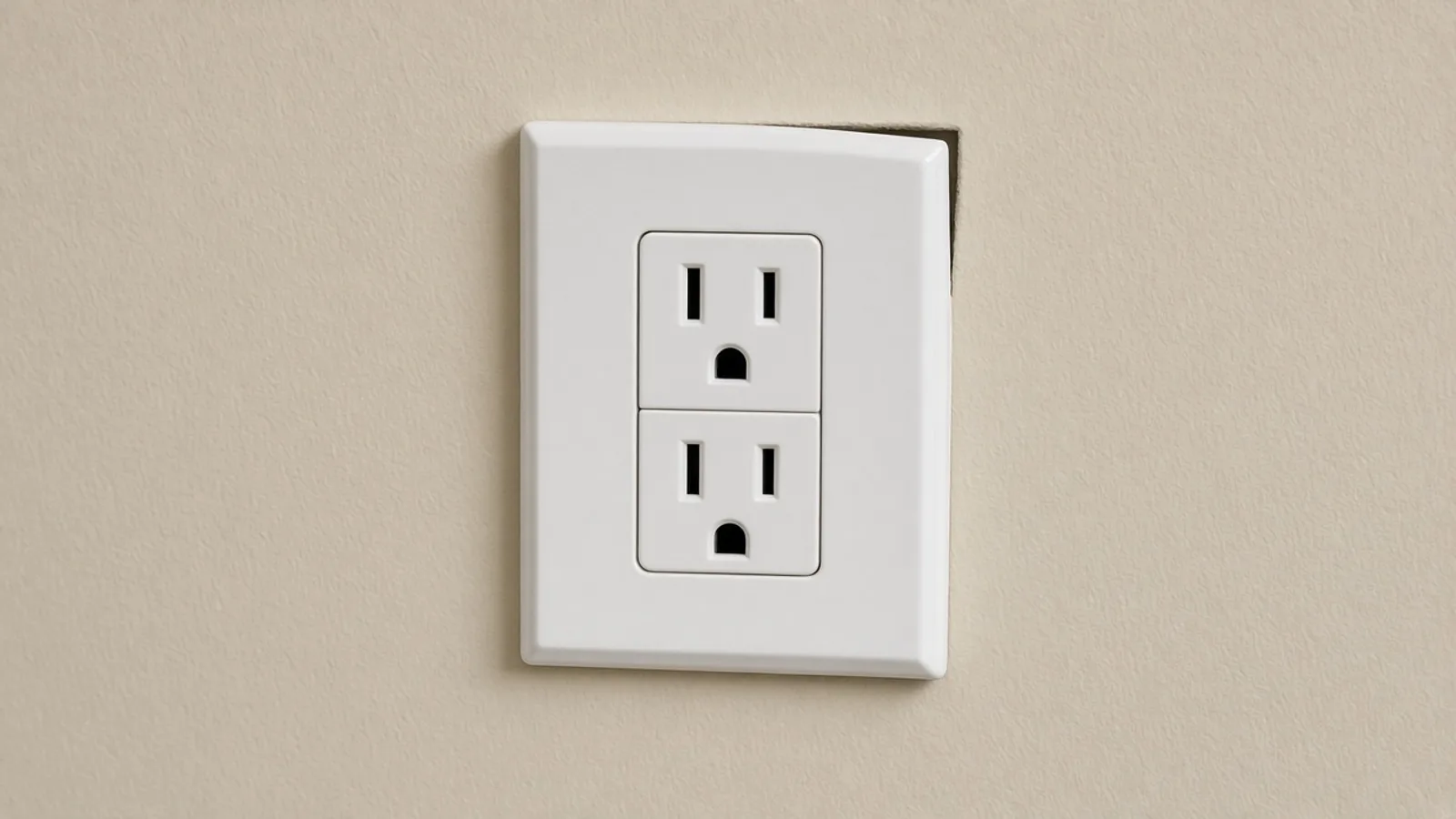
- A small opening is made, often at an existing outlet or switch plate, or with a small hole in an area that is easy to repair.
- A pump draws a measured volume of air from inside the cavity through a collection cassette.
- An outdoor sample is collected for comparison.
- The samples go to a state-certified laboratory, which identifies the types of mold spores present and their levels.
Our wall cavity mold testing service follows this approach.
When It's Used
- A moisture survey finds a wet wall but nothing is visible on the surface
- There is a musty smell that seems to come from a wall. See musty smell with no visible mold
- A past leak or flood was dried on the surface and you want to know if the inside dried too
- Before closing up a wall after repairs, or before remodeling
- Before buying a property where hidden moisture is suspected
What It Can Tell You
Because air inside a closed cavity is mostly still, spores released by growth tend to collect there. Elevated levels, or a mix of mold types that differs from the outdoor sample, can point to growth inside the wall. That can confirm a hidden source before anything is removed.
What It Can't Tell You
- It doesn't show how far growth extends. That comes from the moisture survey and, if needed, further investigation.
- It describes the air in that cavity at that spot. A different cavity may have different conditions.
- It doesn't locate the water source on its own. Moisture readings and thermal imaging do that.
That is why wall cavity testing is paired with the moisture survey and not used by itself. See which mold sample does your situation need? for how the sampling methods fit together.
What Happens to the Opening
A small opening at an outlet plate leaves no mark. A small drilled hole can be patched with a plug or a little filler. It's far less disruptive than opening a wall, and it's much easier to restore.
What Comes After
If testing suggests growth inside a wall, the report documents the finding and the likely moisture source, which is what a contractor needs to plan the next step. If results look normal, you have a record showing the cavity was checked on that date. After any repair, a follow-up inspection can confirm the work succeeded. See post-remediation verification.
If you suspect moisture inside a wall, schedule an inspection.