
HVAC Mold Inspection
A contaminated HVAC system distributes mold spores to every room it serves. An HVAC mold inspection catches the problem before it becomes building-wide.
Overview
Why HVAC systems spread mold building-wide
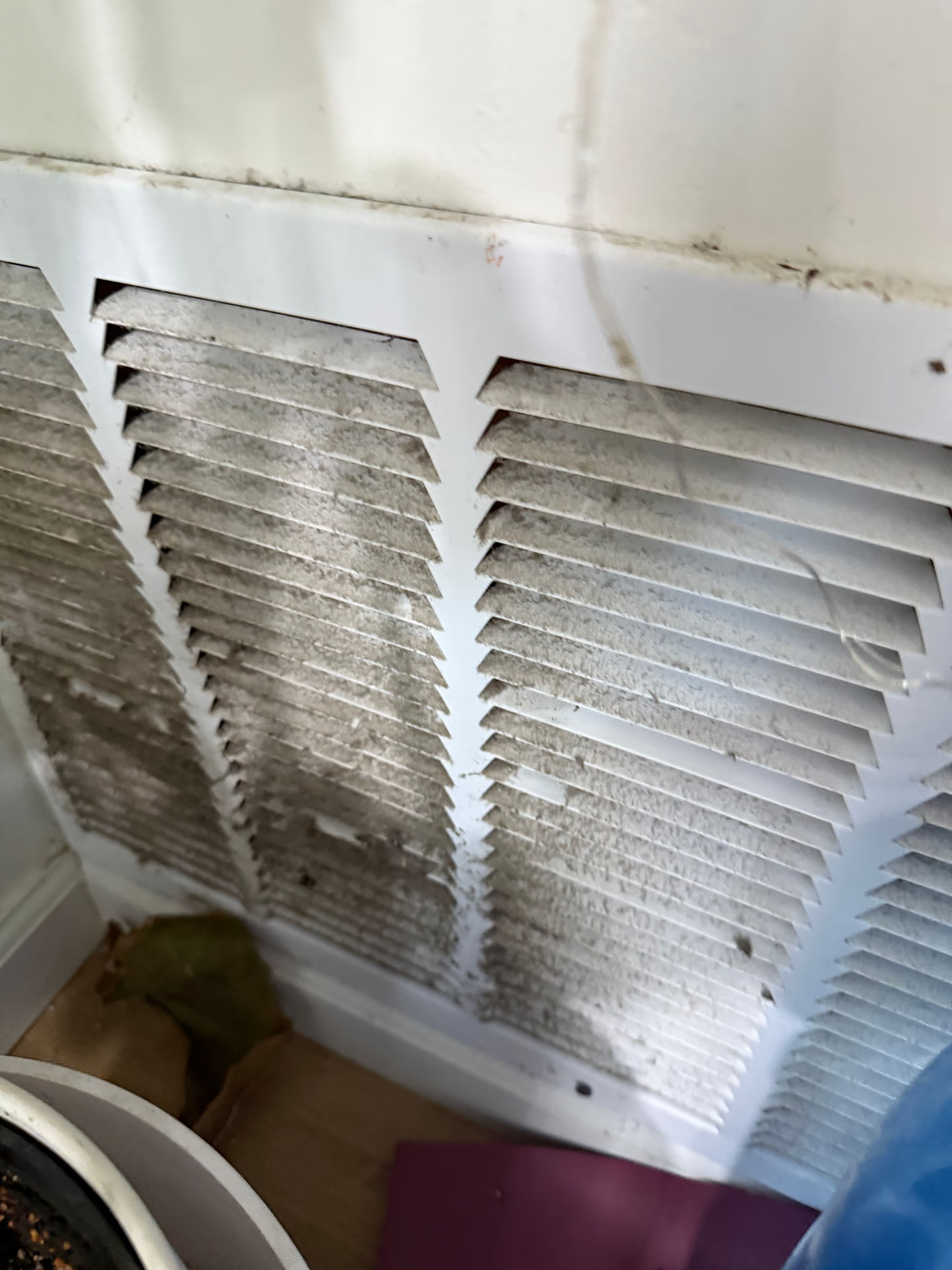
Air handlers, ducts, and drain pans create one continuous moist pathway for spores to travel. A single contaminated coil or a clogged condensate line can seed growth that moves through the entire duct network, dropping spores into every conditioned room. People usually notice musty smells in vents or worsening allergy symptoms before any visible growth shows up. Our HVAC mold inspection covers supply and return registers, air handler components, accessible duct sections, and drain pan drainage, producing a written report that scopes cleaning or remediation decisions without pushing system replacement you don't need.
Coverage
Every HVAC system type we cover
Residential split systems, commercial air handlers, multi-zone rooftop units, our certified mold inspectors adapt the process to your equipment
Residential split & packaged units
Standard split-system air conditioners, heat pumps, and packaged units in single-family homes, condos, and small multi-family properties.
Multi-family central systems
Apartment buildings and condominium properties with central HVAC, shared ventilation, or unit-level fan coils. Reporting handles shared infrastructure alongside unit-level findings.
Commercial air handlers & VAV
Office buildings, retail, and hospitality with central air handlers, VAV boxes, and zoned distribution. Inspection scheduled around operating hours and tenant impact.
Industrial process ventilation
Manufacturing, warehouse, and industrial properties with process ventilation, makeup air units, or specialized industrial ventilation systems. Inspection adapts to facility safety protocols.
Proven Trust
365+ HVAC mold inspections delivered without an upsell
Property owners, facility managers, and HVAC contractors come to us for inspection reports that scope cleaning work to the exact contamination level, address tenant concerns with documented evidence, and support insurance or warranty claims. No conflict of interest in the remediation outcome, because we only inspect and test.
HVAC mold inspection FAQ
Call For An InspectionContact
Book an HVAC mold inspection
Tell us about the system and we'll respond the same day
Phone
+1(866) 308-8880Address
21241 Ventura Blvd #166, Woodland Hills, CA 91364
Newsletter
The Indoor Air Quality Briefing
Monthly notes from our inspectors on prevention and air quality.