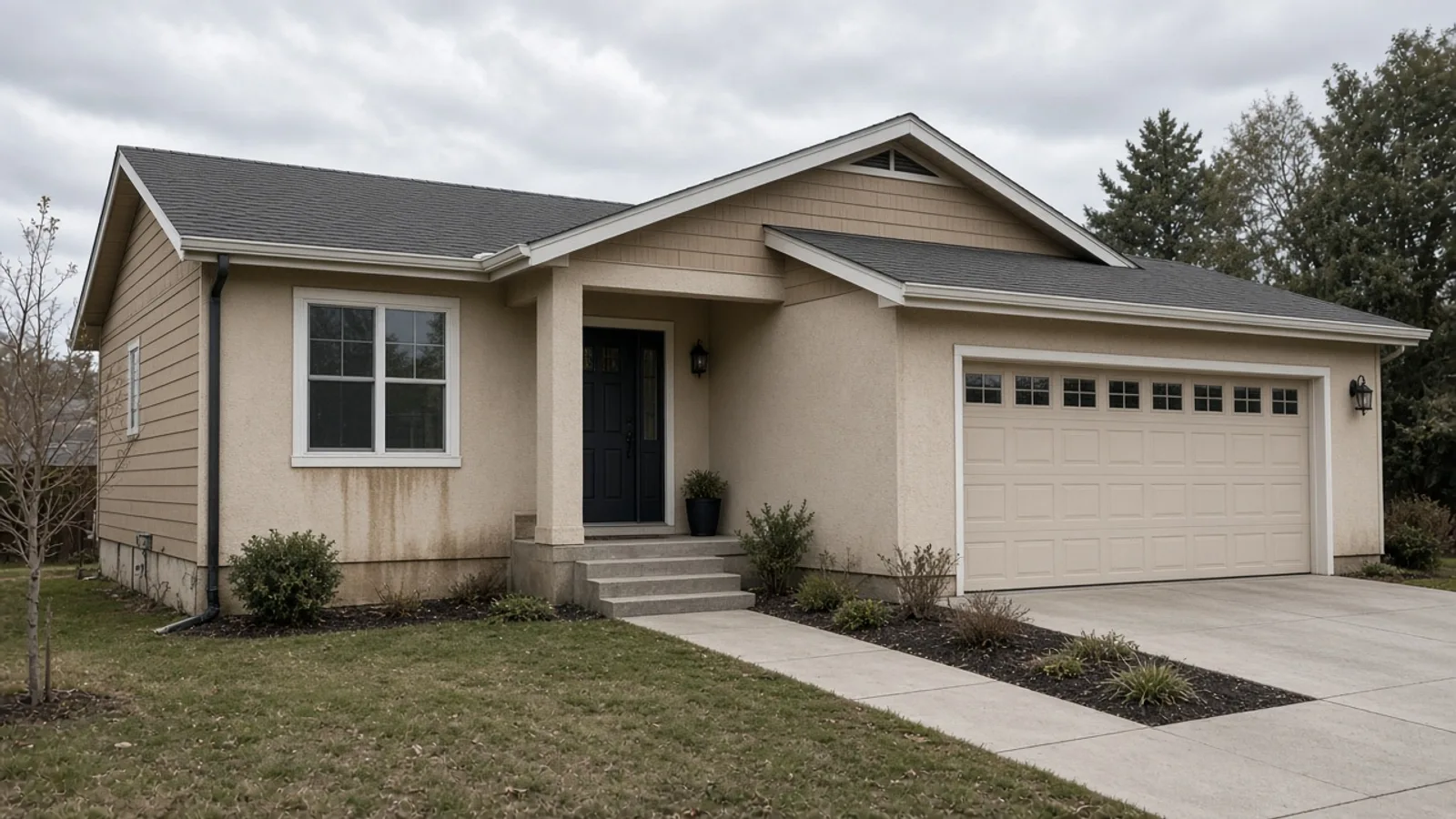
Why Inspect Before You List
A surprise during escrow can slow a sale or change the conversation. If a buyer's inspector notes a stain or a musty smell, the buyer may ask for a specialist, and the clock is already running. A pre-listing inspection moves that question to a time when you have room to answer it.
What Usually Turns Up
- Moisture in attics from fans that vent into the attic or from roof or flashing leaks
- Crawl space or basement dampness
- Slow leaks under sinks, around toilets, and behind shower walls
- Old water stains from a past leak that was repaired but never checked
- Moisture behind stucco or around windows
- Air conditioning condensate problems
Often the finding is a past issue that was fixed. A report can show that the area is now dry, which is useful to have in hand.
What the Inspection Covers
The same instrument-based approach used for any inspection: a visual assessment, moisture meters, and thermal imaging across the property, plus air or surface sampling where there is a reason for it. The report records where moisture was found, what was sampled, and what the laboratory returned. For a full walkthrough, see what a mold inspection actually covers.
What to Do With the Findings
- Nothing found. You have a documented baseline showing the property's moisture condition on a specific date.
- A past issue that is now dry. The report shows the area is dry and gives you something concrete to point to.
- An active problem. You know the source and the extent, so you can have it repaired and verified before listing.
What you share with buyers is a conversation to have with your agent. Having an independent, dated report in hand makes that conversation easier. If you do repairs, a follow-up inspection can confirm they worked. See post-remediation verification.
Why Independence Matters
A report from a company that also does the cleanup has a built-in interest in how large the problem looks, and a buyer may reasonably discount it. A report from a company that performs no remediation is easier for everyone to rely on. We explain the difference in mold remediation vs mold inspection.
Timing
The best time is before you list, ideally with enough time to deal with anything that turns up. Same-day and next-day appointments are usually available, and the written report with lab results arrives within two to three business days.
If you're on the buying side, see mold inspection before buying a home. To get ahead of a sale, schedule a pre-listing inspection.