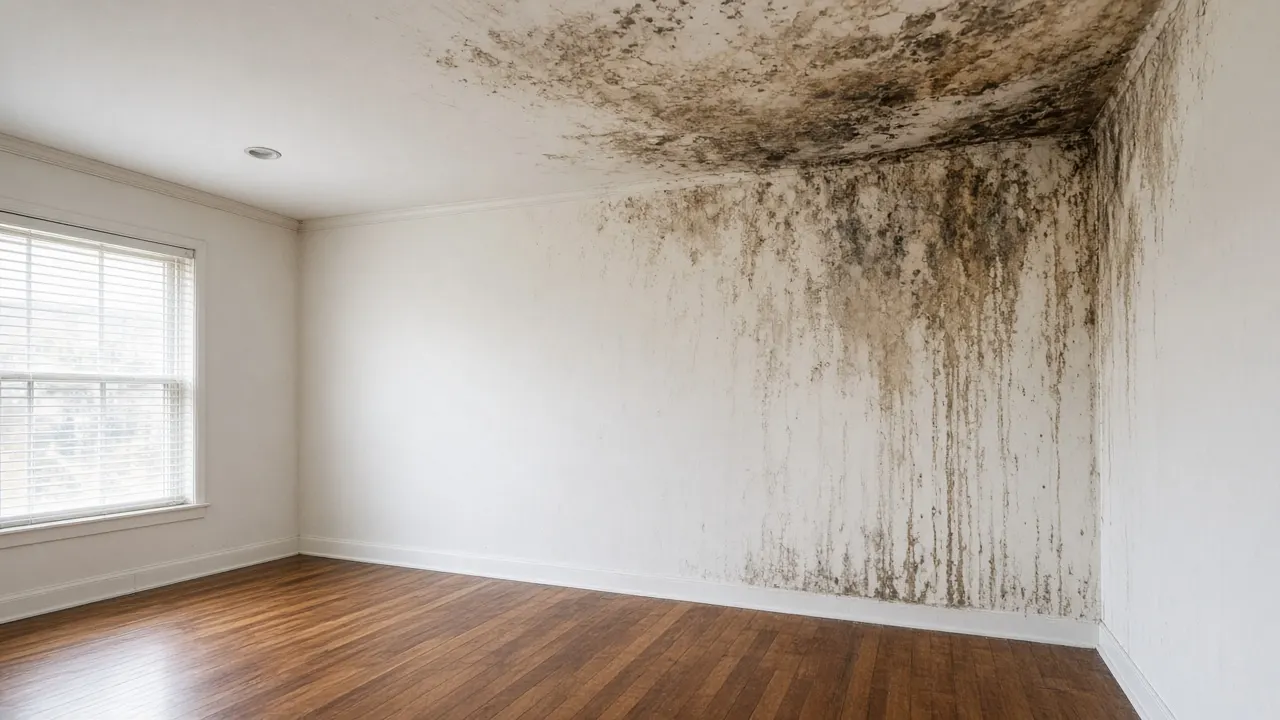
Why a Home Inspection Misses Most Mold Problems
A licensed home inspector performs a visual assessment of a property's major systems — roof, structure, electrical, plumbing, HVAC, foundation. They document what they can see and test what they can reach. When they find a water stain on a ceiling, a soft spot in flooring, or a musty odor in a basement, they note it and recommend evaluation by a specialist.
That recommendation is the handoff point. The specialist is a certified mold inspector, and the assessment they perform uses instruments that a home inspection does not include — thermal imaging cameras that find moisture inside walls before it becomes a stain, calibrated moisture meters that confirm wet material behind finished surfaces, and laboratory-analyzed air and surface samples that identify species and concentrations.
In the older housing markets where most mold problems are found — Fullerton's historic downtown, Ann Arbor's Old West Side, Pasadena's Bungalow Heaven, Dearborn's postwar residential streets — moisture conditions have often been developing for years before they become visible. A home inspection notes the symptom. A mold inspection characterizes the extent of the problem and identifies what is causing it.
When to Schedule the Mold Inspection During Escrow
The mold inspection should be scheduled during the inspection contingency period, typically within the first seven to fourteen days of escrow in California and Michigan. This gives enough time to receive the laboratory results — usually 24 to 48 hours after samples are collected — review the findings, and make decisions before contingency deadlines.
In competitive markets where buyers are waiving inspection contingencies, the mold inspection ideally happens before an offer is submitted. Many sellers will allow pre-offer inspections, particularly on properties with disclosed water damage history or age. The cost of a mold inspection before an offer — typically three to five hundred dollars for a standard single-family home — is small relative to the cost of inheriting a moisture problem after closing.
If a mold inspection was not possible before closing and the property has been purchased, it is worth scheduling one in the first thirty days of ownership to establish a baseline — particularly for homes built before 1980 or homes with any disclosed history of water damage, flooding, or remediation.
What the Pre-Purchase Inspection Focuses On
The pre-purchase mold inspection covers the full property, but the focus shifts based on what the home inspection found and what the property's age and type suggest. For a buyer, the most important findings are the ones that affect the purchase decision — conditions that require significant remediation, indicate a chronic moisture source that has not been addressed, or suggest a previous remediation that may not have been effective.
Older homes in historic districts. Craftsman bungalows, Spanish Colonial Revivals, and Victorians in Fullerton, Pasadena, Highland Park, and similar markets carry original or early-replacement plumbing, raised wood foundations with crawl spaces, and attic conditions that have been through multiple roofing cycles. The inspection prioritizes the crawl space framing condition, plumbing wall moisture in kitchens and bathrooms, and attic moisture at the ridge and at any roof penetrations.
Coastal properties. Beach cottages and coastal homes in Redondo Beach, Newport Beach, Santa Barbara, and Oxnard face persistent marine layer humidity that keeps the building envelope under sustained moisture pressure. The inspection prioritizes west and north-facing wall assemblies, deck-to-structure connections, and any below-grade spaces.
Post-earthquake properties. Homes in Fullerton, Northridge, Burbank, Pasadena, and the broader San Fernando Valley that were not fully assessed after the 1994 Northridge earthquake may have foundation cracks and chimney damage that has been admitting water for over thirty years. The inspection prioritizes foundation wall moisture, chimney condition, and any below-grade space.
Michigan basements. Pre-war and postwar housing in Ann Arbor, Dearborn, Royal Oak, and Detroit carries basement conditions that range from chronic seepage to flood history. The inspection prioritizes foundation wall moisture, the floor-to-wall transition, and HVAC equipment in the basement.
HOA communities. Condominiums and townhomes in Irvine, Tustin Ranch, Mission Viejo, and similar master-planned communities have shared roofing, drainage, and plumbing systems. The inspection documents whether any moisture condition originates in a shared building system rather than inside the unit — a distinction with significant financial implications for a buyer taking on HOA membership.
What the Findings Mean for Your Decision
Mold inspection findings fall into three practical categories for a buyer.
Active moisture with established growth. An ongoing moisture source — a slow plumbing leak, a chronic crawl space condition, a foundation seepage pathway — that has produced active mold growth in structural or finish material. This finding warrants remediation before closing, a price reduction to cover the remediation cost, or reconsideration of the purchase depending on the extent of the condition.
Past moisture with remediated or dormant growth. Evidence of a previous moisture event that was addressed — staining without active moisture, a crawl space that has been encapsulated, a basement where previous seepage has been managed. These findings inform maintenance priorities for the new owner rather than requiring immediate remediation.
No significant moisture findings. The inspection found no elevated moisture readings, no visible growth, and air sampling returned indoor counts within the normal range relative to the outdoor baseline. This is the baseline documentation a buyer needs to confirm the property is in good condition — and to establish a reference point if moisture conditions develop after closing.
Using the Findings in Negotiation
A mold inspection report from an independent company — one that performs no remediation and has no financial interest in the findings — carries weight in a purchase negotiation that a remediation contractor's estimate does not. It defines the actual scope of the problem based on instrument readings and laboratory results rather than a visual walkthrough.
When requesting a price reduction or asking the seller to perform remediation before closing, a certified mold inspection report is the documentation that supports the request. It shows what was found, where, at what moisture levels, and what the laboratory confirmed — a factual basis for negotiation rather than a subjective assessment.
If you are in escrow on a property and want an independent mold inspection before closing, same-day and next-day appointments are usually available. The written report with laboratory results is delivered within two to three business days — within standard inspection contingency timelines in most markets.