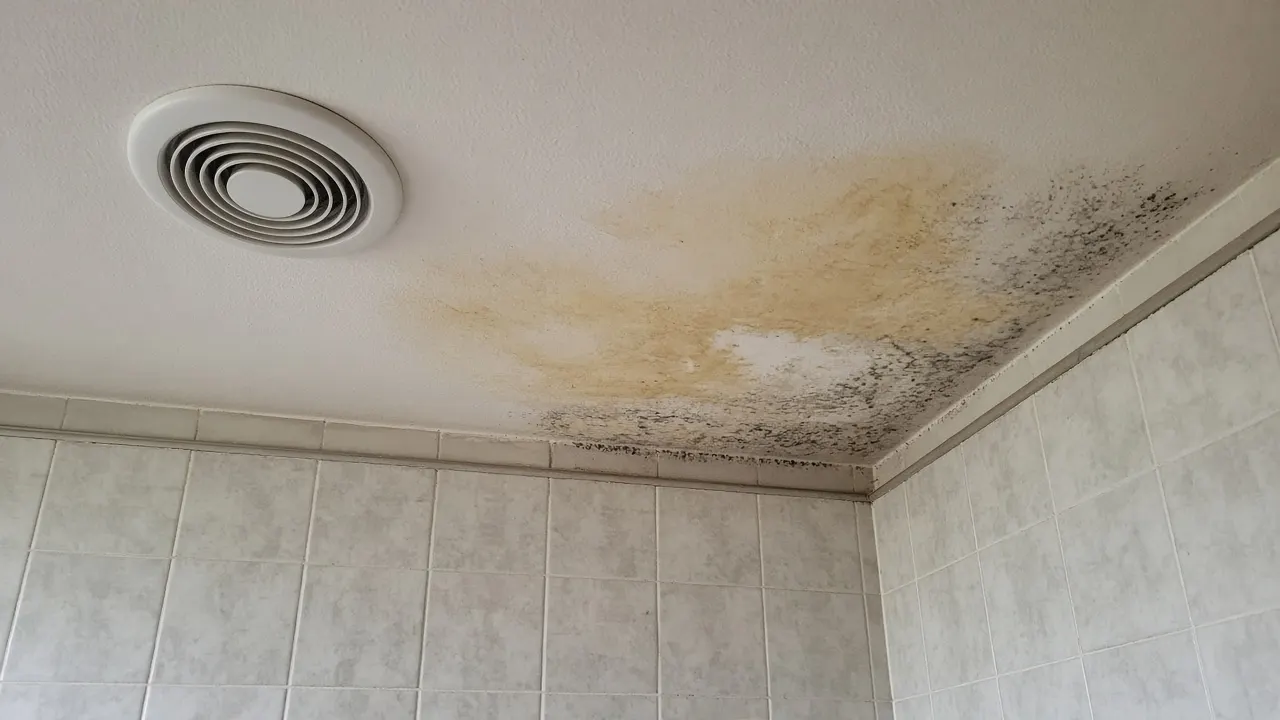
Why Mold Inspection Is Not a Visual Check
Visible mold is the end result of a moisture condition that has been developing for weeks or months before anything appears on a surface. By the time you can see growth on drywall, the moisture source behind it has usually been active long enough to affect the framing and insulation inside the wall assembly — material that a visual inspection cannot see.
A certified mold inspection uses two primary instruments to find moisture and growth before they are visible. Thermal imaging cameras identify temperature differences in wall and ceiling surfaces that indicate wet material behind the finish — wet insulation or framing holds temperature differently than dry material. Calibrated moisture meters confirm whether a thermal anomaly represents actual moisture rather than a temperature artifact from an HVAC duct or a cold exterior wall.
These instruments, combined with air and surface sampling sent to an accredited laboratory, are what distinguish a mold inspection from a home inspection. A home inspector notes a stain and recommends further evaluation. A mold inspector maps where the moisture is, finds the source, and documents species and concentrations.
Bathrooms
Bathrooms generate more sustained moisture than any other room in a home, and they are where mold problems most commonly originate. The inspection in a bathroom focuses on three areas:
The shower and tub surround. Grout and caulk failures at the tile-to-tub interface allow water to penetrate into the wall cavity behind the tile. In older homes this is often a slow process that has been ongoing for years. Thermal imaging identifies the moisture pattern inside the wall assembly that a visual check of the tile surface would miss.
The ceiling and exhaust fan. Bath fans that exhaust into attic space rather than outside — a code violation in current construction but common in homes built before the 1980s — deposit warm humid air directly into the attic, producing condensation on the roof sheathing. Moisture meter readings in the ceiling above the fan and in the adjacent attic space confirm whether this is occurring.
Plumbing walls. The wall behind the toilet and the wall containing the supply lines to the sink and shower are primary locations for slow plumbing leaks. Thermal imaging of these surfaces identifies moisture behind the wall that has no visible surface indication.
Kitchen
The kitchen inspection focuses on the two areas where water most commonly escapes the plumbing system and contacts building materials.
Under the sink. The supply lines and drain connections under kitchen sinks are among the most common sources of slow, chronic leaks in residential construction. The cabinet base and the wall behind the drain are inspected with moisture meters. In homes with original plumbing, the connections at the wall are a specific concern.
Dishwasher and refrigerator connections. Dishwasher drain hose failures and refrigerator ice maker line failures produce water under the flooring adjacent to the appliance. Moisture meter readings at the floor surface identify whether elevated moisture is present in the subfloor material.
Attic
Attic mold is one of the most commonly found and most commonly missed conditions in residential inspection. It is found consistently because attics collect moisture from multiple sources simultaneously. It is missed because attics are out of sight and most visual home inspections do not fully characterize attic moisture conditions.
The inspection assesses the roof sheathing and rafters for staining and active growth, the ventilation configuration for adequacy and whether intake and exhaust vents are balanced, any bath or kitchen exhaust that terminates in the attic space rather than outside, and the area around any roof penetrations — vents, skylights, chimneys — where flashing failures allow water to enter.
In Southern California, attic mold following the wet winters of 2023 through 2025 is particularly common in homes where wind-driven rain found gaps in roofing or flashing details that had not previously been stressed. In Michigan, attic mold from ice dams — ice that builds at the eave and forces water back under shingles — is a recurring seasonal finding in homes with inadequate attic insulation.
Crawl Space
The crawl space inspection is covered in detail in a separate guide. In brief: the inspector maps moisture readings across the subfloor framing and joists, assesses the vapor barrier condition and coverage, evaluates foundation vent cross-ventilation, and samples visible growth for laboratory identification. Crawl space findings are among the most significant in any inspection because the affected material is structural framing.
Basement
Basement moisture inspection focuses on the foundation walls and the floor-to-wall transition, where groundwater intrusion most commonly enters. In Michigan's older housing stock — Detroit, Ann Arbor, Dearborn, Sterling Heights — basement moisture following the 2021 flooding events is still being found in homes where the original drying was incomplete.
Thermal imaging of basement walls identifies active seepage through foundation masonry that has no visible surface indication. Moisture meter readings confirm moisture content in the lower sections of framed walls adjacent to the foundation. The HVAC equipment, water heater, and any other mechanical equipment in the basement are inspected for condensate management and proximity to moisture sources.
HVAC System
The HVAC system is inspected for two conditions. The first is the air handler and condensate management — a clogged condensate drain line or a cracked drain pan allows water to accumulate inside the air handler cabinet, where it contacts the evaporator coil and the surrounding insulation. Mold established in an air handler circulates spores throughout every room the system serves.
The second is duct condition in the immediate vicinity of the air handler and in any accessible duct runs. Ductwork that passes through unconditioned spaces — attics, crawl spaces — is subject to condensation on the exterior of cold supply ducts in summer, and leaks at duct connections in those spaces introduce unconditioned air into the distribution system.
Air Sampling
Air samples are typically collected in the areas of concern identified during the physical inspection, in a central living area, and outside the building as a control. The laboratory results are interpreted against the outdoor baseline — an indoor count elevated above the outdoor count for the same genus indicates an indoor source releasing spores into the living space.
The Report
The inspection report documents the findings area by area: where moisture was found, at what levels, what the probable source is, where visible growth is present, and what the laboratory found in the samples. It is written to be useful to whoever needs to act on it — a remediation contractor defining a scope, an insurer evaluating a claim, a buyer making a purchase decision, or a landlord responding to a tenant habitability complaint.
Because the inspection company performs no remediation, the report has no financial stake in what it finds. The scope it defines is what the instruments and the laboratory confirmed — not what a cleanup contractor would earn by finding more.
If you want to know what a mold inspection would find in your home, schedule one. The process takes two to three hours for a standard single-family home, and the written report with laboratory results is typically delivered within two to three business days.