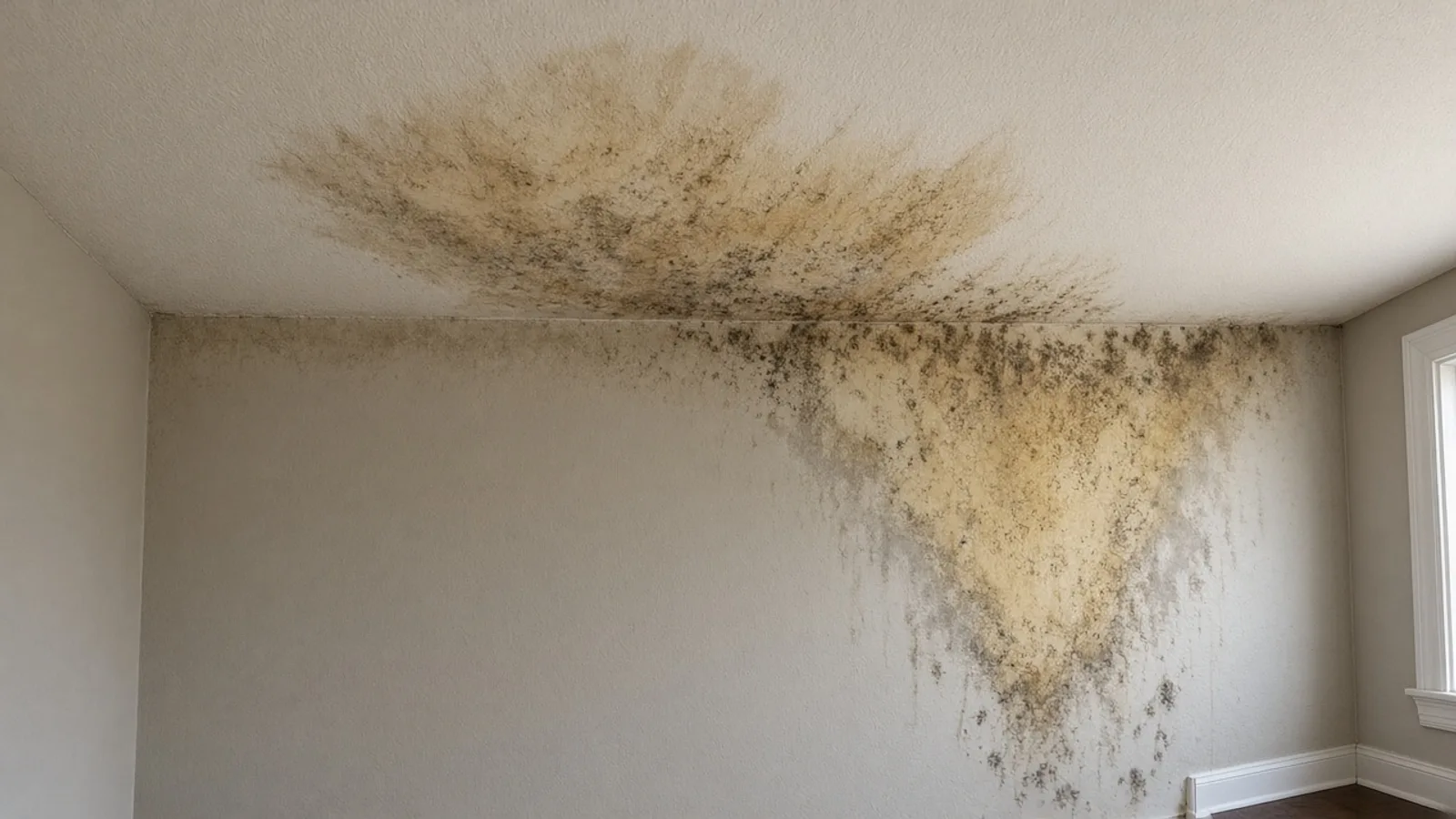
Why the Hidden Mold Is the Problem
Visible mold is only the part of the problem you can see. The growth that causes the most damage is usually inside wall cavities, under floors, above ceilings, and in ductwork, where moisture stays trapped and nobody looks.
An inspection is designed to find that hidden growth and the moisture feeding it before the repair bill grows.
Five Situations That Call for an Inspection
- You've had a recent leak, flood, or water damage event. Mold can begin establishing within 24 to 48 hours in damp material, and surfaces that feel dry can still hold moisture inside the wall.
- A room has a musty odor you can't trace. A persistent smell with no visible source often means growth or moisture somewhere you can't see.
- You're closing on a property and need documentation. An inspection gives buyers, sellers, and agents a factual record of the property's moisture condition.
- Someone in the building has unexplained respiratory symptoms. When symptoms ease away from the building and return at home or at work, the building is worth checking.
- You can see mold and want to know how far it goes. Visible growth is often the surface of a larger moisture problem.
What an Inspection Gives You
- Hidden growth located behind walls, ceilings, and floors
- The moisture source that's feeding it identified
- Documentation you can use for real estate or legal purposes
- A clear answer on whether laboratory testing is the next step
How the Inspection Works
A certified inspection combines field experience with calibrated tools, in three steps.
- Visual assessment. The inspector walks the property, looks at areas with a history of water, and notes visible signs.
- Moisture detection. Calibrated meters measure water content in walls, floors, and ceilings.
- Infrared thermography. A thermal camera scans for temperature patterns that point to moisture, without opening anything.
For the full walkthrough, see what a mold inspection actually covers and what to expect during an inspection.
When You Can Wait, and When You Shouldn't
If you have no leak history, no odor, no symptoms, and nothing visible, there's usually no urgency. If any of the five situations above applies, waiting tends to make the problem larger. Water damage events in particular are time-sensitive, which we cover in mold after water damage: when to test.
What to Have Ready When You Call
- Where the problem is, and when you first noticed it
- Any past leaks, floods, or repairs
- Whether anyone in the building has symptoms
- Your timeline, if you're in a transaction
- Photos of anything you've seen
Not sure whether you need an inspection, testing, or both? Call or request an inspection and we'll help you work out the right starting point. Learn more about our mold inspection service.