What California Law Actually Says
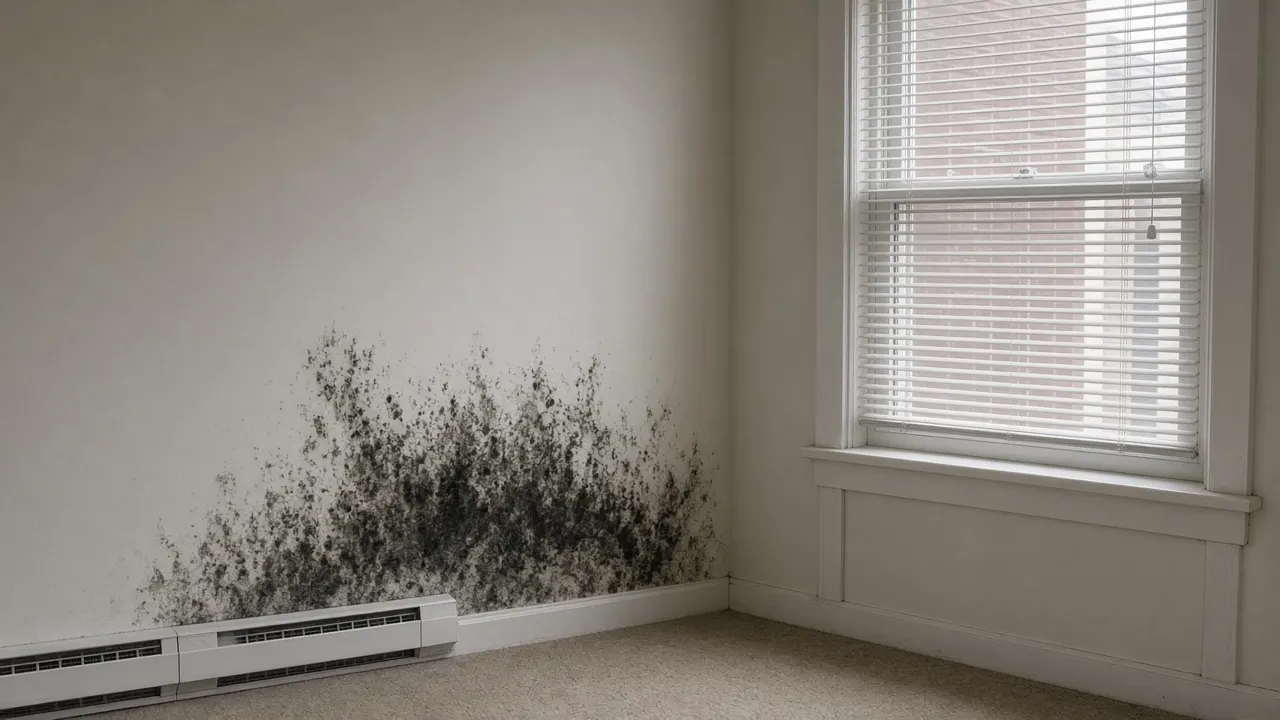
California Civil Code 1941 establishes the implied warranty of habitability — a landlord's obligation to maintain rental properties in a livable condition regardless of whether the lease explicitly states it. Civil Code 1941.1 lists specific conditions that constitute a breach of habitability, and effective January 1, 2016, Senate Bill 655 added visible mold growth to that list.
Health and Safety Code 17920.3 defines substandard conditions in rental housing and includes "visible mold growth, as determined by a health officer or a code enforcement officer, excluding the presence of mold that is minor and found on surfaces that can accumulate moisture as part of their proper and intended use." The exclusion for minor surface mold — a small amount on a bathroom tile grout line that can be cleaned — is important context. The law targets mold that affects habitability, not every instance of surface growth.
What 'Materially Affects Health' Means in Practice
The habitability standard requires conditions that materially affect the health or safety of occupants. For mold, this means growth that is extensive enough to affect indoor air quality — not a small patch on a grout line, but growth in wall cavities, ceilings, flooring, or HVAC systems that releases spores into the air occupants breathe.
The distinction matters because it determines the remedy. A landlord responding to a habitability complaint about minor surface mold has a different obligation than one responding to a complaint about mold in the wall assembly behind a bathroom, in the crawl space below the living space, or in the HVAC system serving the entire unit. An independent inspection with lab-verified air and surface sampling establishes which category the condition falls into.
The Tenant's Documentation Process
The sequence of documentation matters significantly in a mold dispute. Tenants who follow it are in a substantially stronger position than those who don't.
- Put it in writing. A verbal report to a landlord creates no legal record. A written notice — email with read receipt, certified letter, or text message with timestamps — creates a documented date of notice that triggers the landlord's obligation to respond. Include the specific location of the mold, when it was first noticed, and any health symptoms being experienced.
- Photograph the condition. Photographs with timestamps document the condition at the time of notice. If the condition grows or spreads, subsequent photographs document that progression.
- Get independent inspection documentation. A written report from a certified mold inspection company — one that performs no remediation — documents the condition with lab-verified findings. This is what holds up in a dispute, a code enforcement proceeding, or a court. A landlord's own contractor assessing the condition has an obvious interest in minimizing it.
- Keep records of all communications. Every communication with the landlord about the mold condition — requests, responses, promises, and failures to respond — should be preserved.
What Landlords Are Required to Do After Written Notice
California law does not specify a precise timeframe for mold remediation the way it does for some other habitability conditions. The standard is "reasonable time" given the nature of the condition. For mold affecting habitability — active growth in living spaces or HVAC systems — reasonable time is generally interpreted as days to a few weeks, not months.
If a landlord fails to respond within a reasonable time, California Civil Code 1942 gives a tenant who has been in the unit for more than a year the right to repair and deduct — hiring a contractor to address the condition and deducting the cost from rent, up to one month's rent. This remedy requires the written notice process described above to have been followed.
A tenant who is displaced during remediation is entitled to alternative housing at the landlord's expense if the unit is uninhabitable during the work. A tenant who suffers health effects from mold exposure in a unit where the landlord failed to respond after written notice may have a personal injury claim in addition to a habitability claim.
Why Independent Inspection Documentation Matters in a Dispute
When a landlord and tenant disagree about the extent or source of mold, the dispute usually comes down to whose characterization of the condition holds more weight. A landlord's contractor who also performs remediation has a financial interest in the findings. A tenant's account without documentation is subjective. An independent inspection report from a company that performs no remediation is the document that neither side can easily challenge.
The report documents the extent of growth with instrument readings rather than visual estimates, identifies the moisture source that is sustaining it, confirms species and concentrations through accredited laboratory analysis, and defines what remediation needs to accomplish. A code enforcement officer, a hearing officer, or a judge looking at a mold dispute gives different weight to a lab-verified independent report than to conflicting claims from interested parties.
Post-Remediation Verification Protects Both Parties
After remediation is performed, an independent post-remediation verification inspection confirms that the work succeeded — the affected material was removed, the moisture source was controlled, and indoor spore counts have returned to the normal range. This verification matters for both the landlord and the tenant.
For the landlord, it documents that the habitability condition was addressed and the unit is now in compliance. For the tenant, it confirms the unit is safe to reoccupy and that the remediation was effective rather than cosmetic. A clearance report from a company that performed no remediation is the only form of post-remediation documentation that is genuinely independent.
Michigan and Washington Equivalents
Michigan's landlord-tenant law under the Michigan Housing Law and the Truth in Renting Act similarly requires landlords to maintain rental properties in habitable condition, with mold affecting air quality constituting a habitability violation. The written notice requirement and the landlord's obligation to respond within a reasonable time follow the same general framework as California.
Washington State's Residential Landlord-Tenant Act under RCW 59.18 requires landlords to maintain properties in a condition that does not endanger tenant health. The Seattle Housing Code specifically addresses moisture and mold as habitability conditions. The documentation sequence — written notice, independent inspection, post-remediation verification — applies equally in Washington markets.
If you are a tenant with a mold condition that your landlord has not addressed, or a landlord responding to a habitability complaint and needing independent documentation, schedule an independent inspection.