24H Mold Inspection
Taylor24/7 EMERGENCY(734) 715-5125
HomeOur ServicesMold InspectionThermal Imaging
Mold Inspection

Thermal Imaging

Infrared cameras find hidden mold conditions and water damage before any surface stain shows up.

Overview

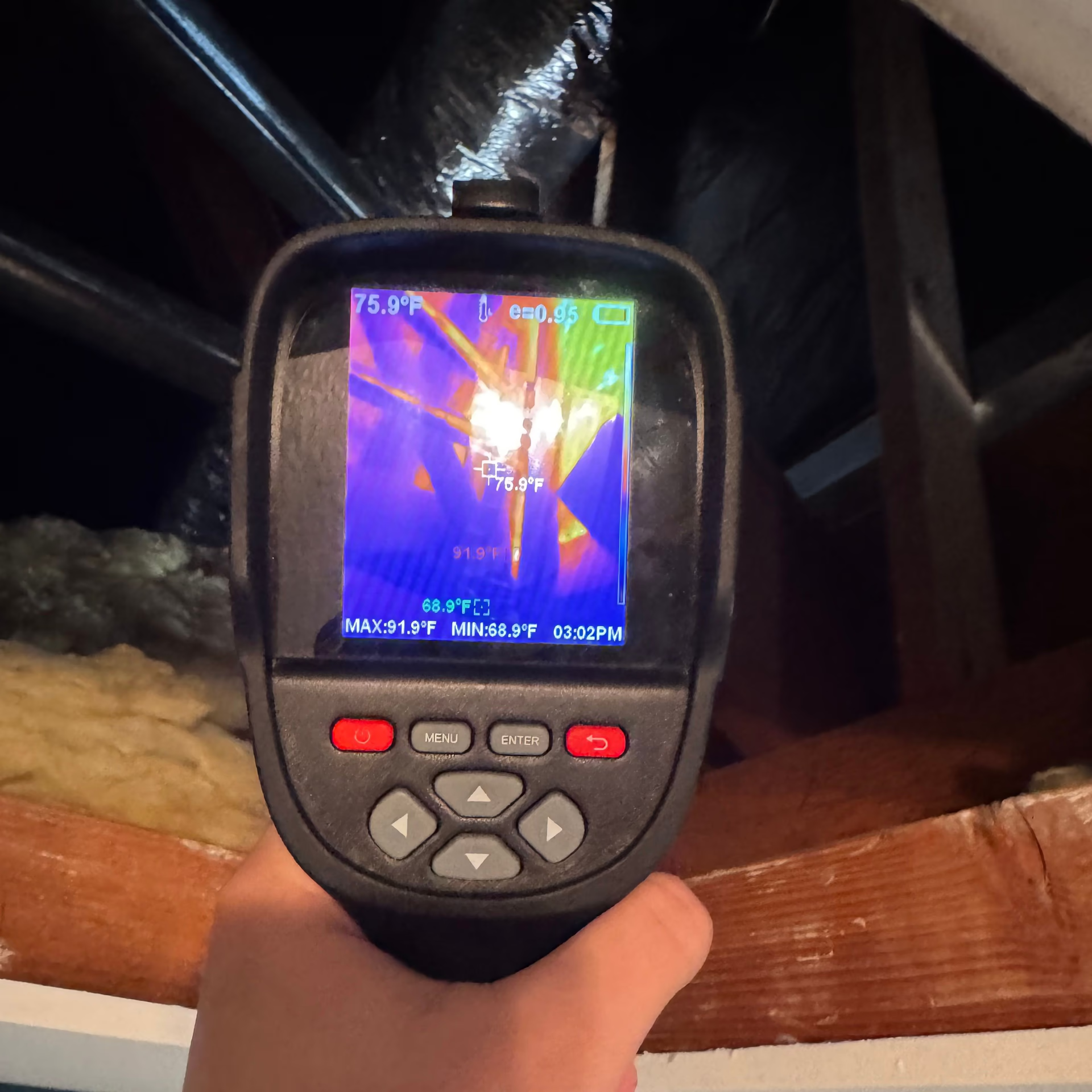
Why infrared thermal imaging finds mold others miss

Mold doesn't always announce itself. A small leak inside a wall, a stretch of failed insulation, or a cold-bridge condensation zone can build mold-friendly conditions for months before any stain reaches the surface. Thermal imaging reveals those conditions while they're still hidden, giving you a chance to address the moisture before mold has spread.

Thermal imaging detects:

  • —Hidden moisture inside walls, ceilings, and under floors
  • —Active leaks from plumbing, roofing, or HVAC components
  • —Insulation gaps and ventilation defects driving condensation
  • —Cold spots creating ideal future conditions for mold growth
Why infrared thermal imaging finds mold others miss
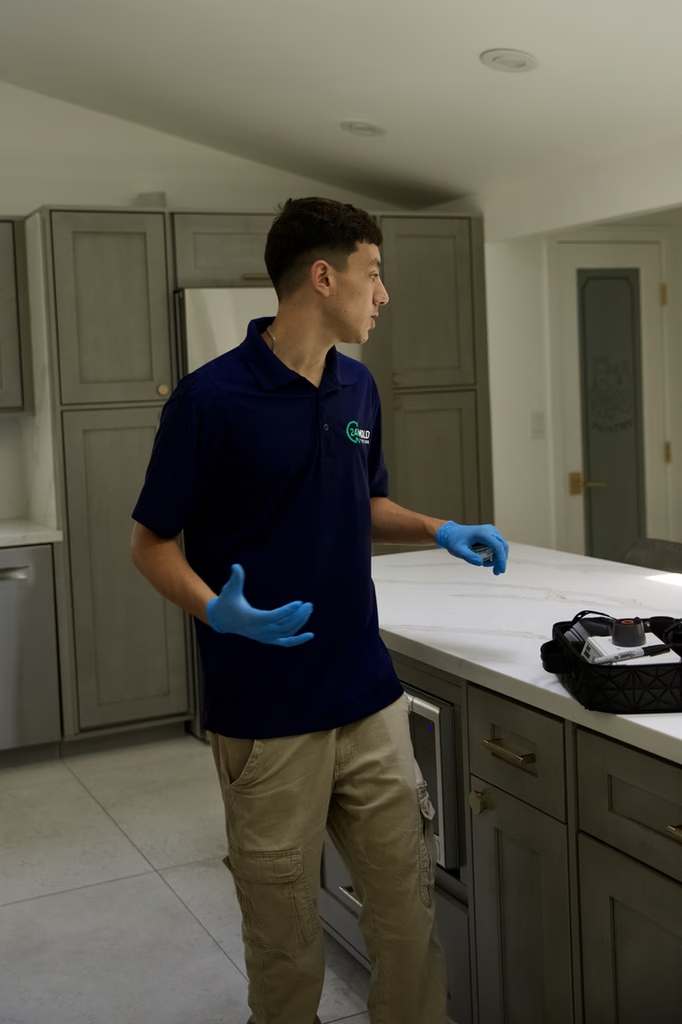
Mold inspector at work

Benefits

What you get from thermal imaging

Find hidden risks early without damaging the property

  • —Non-invasive: No drilling, no cutting, no surface damage.
  • —Early detection: Catches problems before damage becomes visible.
  • —Cost-effective: Targets repairs only where they're needed.
  • —Documented findings: Annotated thermal images included in the report.

About

How thermal imaging mold inspection works

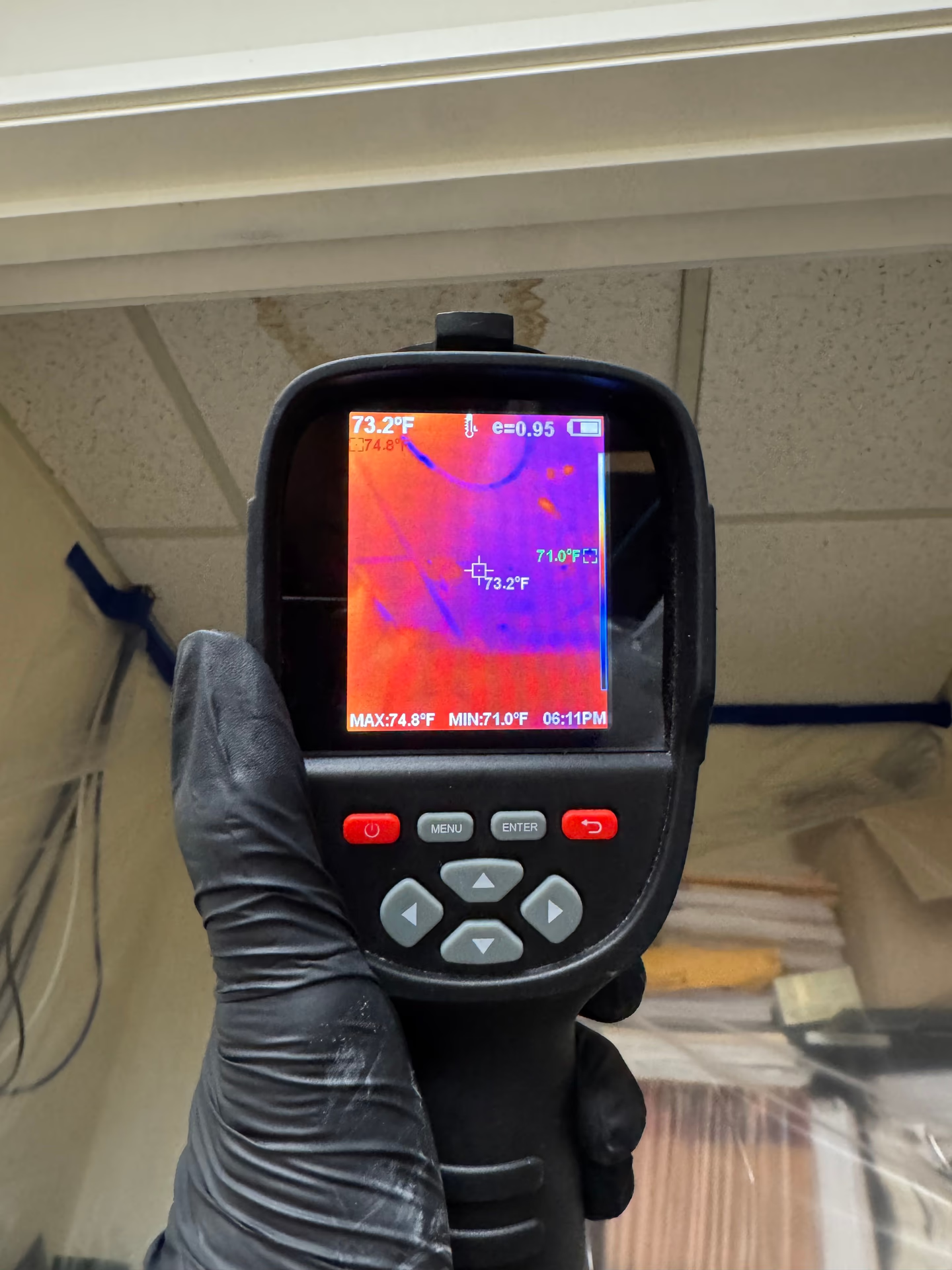
Our certified mold inspectors use FLIR cameras to read temperature differentials across surfaces. Cooler areas often signal water present in the material, even when no surface damage has appeared.

Our process includes:

  • —A complete thermal scan of key interior and exterior surfaces
  • —Identification of unusual cold or warm patterns in the readings
  • —Cross-checking thermal findings with calibrated moisture meters
  • —A mold inspection report including the annotated thermal images
How thermal imaging mold inspection works

Mold inspection Taylor FAQ

Call For An Inspection
Taylor's postwar housing is now 55 to 70 years old, and original systems are failing together. Galvanized supply lines corrode and leak at fittings behind walls, basement and crawl-space walls have little waterproofing, and bath fans often vent into the attic instead of outdoors. Clay soil holds moisture against foundations through the spring thaw. Thermal imaging and moisture meters find hidden moisture a visual check misses.
Yes. Taylor is flat and drains slowly, so heavy rain and fast thaws often leave ground saturated against foundations. Mold can begin establishing within 24 to 48 hours of sustained dampness, and finished basements hide it behind paneling, carpet, and drywall. A moisture assessment after a flood or a failed sump pump documents what is wet and whether it has dried.
Water that enters a foundation crack or masonry joint in fall expands as it freezes and widens the gap by spring. Clay soil then keeps that water against the wall into May and June, which is when most basement and crawl-space moisture problems start or worsen. A post-thaw inspection often finds conditions a summer visit would miss.
It is one of the more consistent findings. Higher occupancy, attic-venting bath fans, single-pane windows, and repairs deferred between tenancies keep humidity elevated. An independent report with lab-verified findings documents a unit's condition at a point in time, so landlords, tenants, and property managers can work from the same facts.
Yes, especially for 1950s and 1960s homes with basements or crawl spaces. The inspection covers thermal imaging for behind-wall moisture, basement and slab readings, attic ventilation, and air or surface sampling where growth is suspected. A standard home inspection often notes a stain or a smell and recommends a specialist. Independent documentation before closing protects you from inheriting a slow problem.
Our Taylor, Michigan team covers Taylor and the Downriver area, including Southgate, Wyandotte, Riverview, Flat Rock, Brownstown, Woodhaven, Trenton, Lincoln Park, Allen Park, Romulus, Grosse Ile, and Belleville, with same-day and next-day appointments and 24/7 emergency response. Dearborn has its own 24H Mold Inspection page with a local team. If your property is there, start with that page. If you are not sure which fits your address, call the number on this page.
The inspection is the diagnosis. We map moisture, identify the source, and send samples to a state-certified lab, then deliver a written report with the extent of growth, the cause, and a defined scope. A separate contractor does any cleanup, because we perform inspection and testing only. We can return for independent post-remediation verification.

Contact

Book your Taylor mold inspection today

Tell us what's going on and we'll respond the same day

Location

24H Mold Inspection of Taylor

Address

20600 Eureka Rd #425, Taylor, MI 48180

Hours

  • MondayOpen 24 hours
  • TuesdayOpen 24 hours
  • WednesdayOpen 24 hours
  • ThursdayOpen 24 hours
  • Friday6 AM – 6 PM
  • SaturdayClosed
  • SundayOpen 24 hours

Service area neighborhoods

  • Taylor
  • Romulus (adjacent)
  • Allen Park (adjacent)
  • Southgate (adjacent)
  • Riverview (adjacent)
  • Wyandotte (adjacent)
Call For Service(734) 715-5125