24H Mold Inspection
Taylor24/7 EMERGENCY(734) 715-5125
HomeOur ServicesMold Testing
our services

Mold Testing

State-certified testing that spots hidden mold—so you can act early, stay safe, and avoid costly repairs.

About

Why Mold Testing Matters

Mold isn't always visible. It hides in air vents, under floors, and inside walls. The only way to know what you're breathing—or what's spreading—is through lab-grade testing.

  • —Identify mold species and spore levels
  • —Detect hidden growth in "clean" areas
  • —Assess the health risk to occupants
  • —Decide on the right next steps
Why Mold Testing Matters

Methodology

How our mold testing works

The three sampling methods we use, chosen for what your property is showing
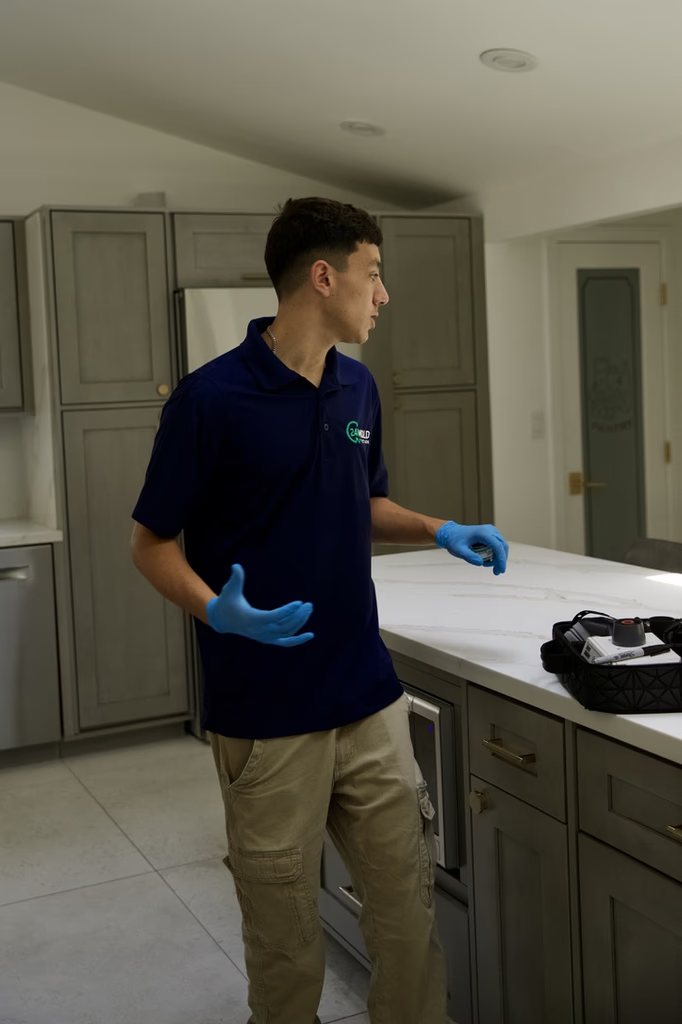
Sterile swabs and clear adhesive tape collect mold from visible spots on dry surfaces, giving the lab a clean sample for species identification. Suitable for walls, ceilings, baseboards, and furniture where the residue is what you're checking.

For damp or recently water-damaged areas, the sampling approach changes. Wet sampling captures live, actively growing colonies that dry methods underrepresent, which matters under flooring, behind tile, and around recent leaks.

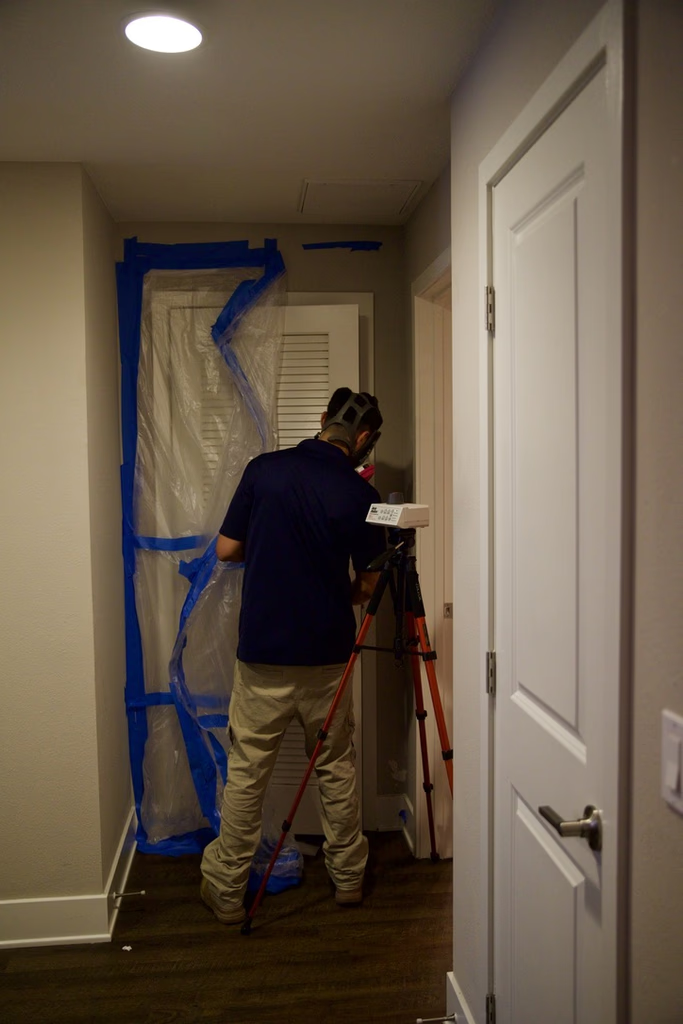
A calibrated pump pulls a controlled volume of air through a spore trap cassette, capturing viable and non-viable spores from the breathing zone. The lab counts species and compares concentrations to outdoor levels, telling you whether your indoor air is healthy.

Mold inspector at work

Checklist

Is Testing Right for You?

Mold testing is ideal if:

  • —You suspect mold but can't see it
  • —You've had water damage
  • —Residents or tenants are reporting health symptoms
  • —You're buying, selling, or managing a property
  • —You need peace of mind after remediation

Still unsure? Let's talk. We'll help you decide which method suits your case best.

Testing Overview

Our Testing Methods

Techniques we use to collect accurate mold samples from air and surfaces.

1Air Testing

Collects airborne mold spores to assess air quality and detect hidden contamination.

2Tape Testing

Lifts mold samples from surfaces using clear adhesive—quick and non-destructive.

3Swab Testing

Gathers samples from damp or textured areas to identify active mold growth.

Mold inspection Taylor FAQ

Call For An Inspection
Taylor's postwar housing is now 55 to 70 years old, and original systems are failing together. Galvanized supply lines corrode and leak at fittings behind walls, basement and crawl-space walls have little waterproofing, and bath fans often vent into the attic instead of outdoors. Clay soil holds moisture against foundations through the spring thaw. Thermal imaging and moisture meters find hidden moisture a visual check misses.
Yes. Taylor is flat and drains slowly, so heavy rain and fast thaws often leave ground saturated against foundations. Mold can begin establishing within 24 to 48 hours of sustained dampness, and finished basements hide it behind paneling, carpet, and drywall. A moisture assessment after a flood or a failed sump pump documents what is wet and whether it has dried.
Water that enters a foundation crack or masonry joint in fall expands as it freezes and widens the gap by spring. Clay soil then keeps that water against the wall into May and June, which is when most basement and crawl-space moisture problems start or worsen. A post-thaw inspection often finds conditions a summer visit would miss.
It is one of the more consistent findings. Higher occupancy, attic-venting bath fans, single-pane windows, and repairs deferred between tenancies keep humidity elevated. An independent report with lab-verified findings documents a unit's condition at a point in time, so landlords, tenants, and property managers can work from the same facts.
Yes, especially for 1950s and 1960s homes with basements or crawl spaces. The inspection covers thermal imaging for behind-wall moisture, basement and slab readings, attic ventilation, and air or surface sampling where growth is suspected. A standard home inspection often notes a stain or a smell and recommends a specialist. Independent documentation before closing protects you from inheriting a slow problem.
Our Taylor, Michigan team covers Taylor and the Downriver area, including Southgate, Wyandotte, Riverview, Flat Rock, Brownstown, Woodhaven, Trenton, Lincoln Park, Allen Park, Romulus, Grosse Ile, and Belleville, with same-day and next-day appointments and 24/7 emergency response. Dearborn has its own 24H Mold Inspection page with a local team. If your property is there, start with that page. If you are not sure which fits your address, call the number on this page.
The inspection is the diagnosis. We map moisture, identify the source, and send samples to a state-certified lab, then deliver a written report with the extent of growth, the cause, and a defined scope. A separate contractor does any cleanup, because we perform inspection and testing only. We can return for independent post-remediation verification.

Contact

Book your Taylor mold inspection today

Tell us what's going on and we'll respond the same day

Location

24H Mold Inspection of Taylor

Address

20600 Eureka Rd #425, Taylor, MI 48180

Hours

  • MondayOpen 24 hours
  • TuesdayOpen 24 hours
  • WednesdayOpen 24 hours
  • ThursdayOpen 24 hours
  • Friday6 AM – 6 PM
  • SaturdayClosed
  • SundayOpen 24 hours

Service area neighborhoods

  • Taylor
  • Romulus (adjacent)
  • Allen Park (adjacent)
  • Southgate (adjacent)
  • Riverview (adjacent)
  • Wyandotte (adjacent)
Call For Service(734) 715-5125