A Mold Guide for HOA Boards
TipsProperty Management
24H Mold InspectionHOA boards are responsible for mold safety in shared spaces. Learn how to manage mold risks, protect residents, and stay legally compliant.
HOA boards are responsible for mold safety in shared spaces. Learn how to manage mold risks, protect residents, and stay legally compliant.
When you're on an HOA board, you're not just managing a property—you're managing trust, safety, and legal responsibility. And few things test that balance more than mold.
It might start as a stain on a wall or a complaint about a musty smell. But if left unmanaged, mold can quickly become a multi-unit, multi-thousand-dollar problem.
Mold responsibility isn't always black and white. In most communities, the line is drawn between shared property (the HOA's responsibility) and individual units (the homeowner's).
Shared spaces like basements, exterior walls, roofing systems, or attics? The HOA is likely on the hook for both the inspection and any necessary remediation.
Inside a unit, if mold is caused by neglect or personal plumbing, the homeowner may be responsible. But if the source is a shared system—like a leaky pipe in the wall—it can fall back on the HOA.
This is why reviewing your CC&Rs (Covenants, Conditions & Restrictions) and consulting legal counsel is essential.
Delaying a mold inspection doesn't just risk structural damage—it also risks resident health, insurance complications, and even lawsuits.
What's at stake?
Many boards think they're saving money by waiting—but mold spreads fast. What costs a few hundred dollars to inspect today can cost tens of thousands to remediate later.
Mold exposure has well-documented health impacts. It can trigger asthma, allergies, and chronic respiratory symptoms—especially in children, seniors, or those with compromised immune systems.
If even one resident files a health-related complaint tied to mold, the board may need to show proof of proper action: inspections, testing, and communication.
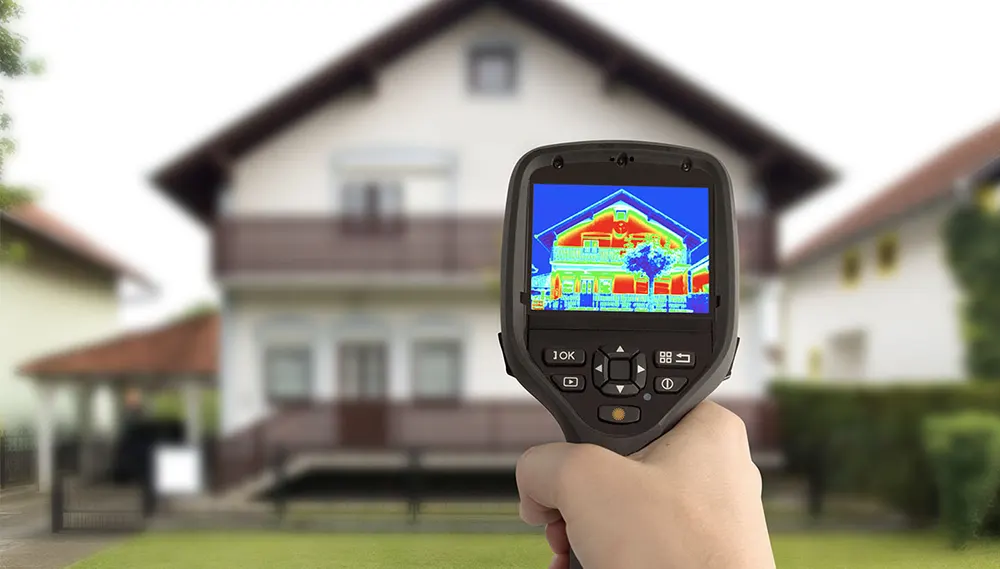
Air quality testing is often the key to documenting the situation. It helps boards make decisions based on real data—not speculation.
If even one resident files a health-related complaint tied to mold, the board may need to show proof of proper action: inspections, testing, and communication.
Proactive boards put mold procedures in writing. Here's what a smart policy might include:
This isn't just smart property management—it's legal risk management.
An HOA board needs more than a general contractor—they need a certified mold expert. At 24H Mold Inspection, we help HOAs:
We're available 24/7 and licensed to work with multi-unit and commercial properties across California.
The longer mold is ignored, the more expensive and complicated it becomes. But with a responsive board, a clear process, and trusted inspection professionals, mold issues can be handled swiftly—and fairly.
Call now to schedule a certified inspection for your property.
Worried about something you've seen—or smelled?
Our certified inspectors can be at your property within 24 hours.
Call today and protect your investment.