
Air Testing
Mold air testing detects airborne spores and assesses indoor air quality, even in spaces where no visible contamination has shown up yet.
Overview
Why mold air testing matters
Most mold is invisible. Spores float undetected through ducts and doorways, spreading from room to room with the air itself. Air testing reveals the species and concentration of what's airborne, even when no visible growth is found on any surface.
Mold air testing detects:
- —Invisible mold spores circulating through the air
- —Differences in spore levels from one room to the next
- —Contamination inside HVAC systems and hard-to-reach areas
- —Early warning signs in rooms that appear unaffected
Benefits
What you get from air testing
Understand the air quality and find what your eyes can't
- —Non-invasive: No drilling, no surface damage, no demolition needed.
- —Early detection: Catch contamination before it spreads or symptoms start.
- —Data-driven: Measure and compare spore counts room by room with lab-verified results.
- —Defensible documentation: State-certified lab results that hold up for insurance and real estate use.
About
How mold air testing works
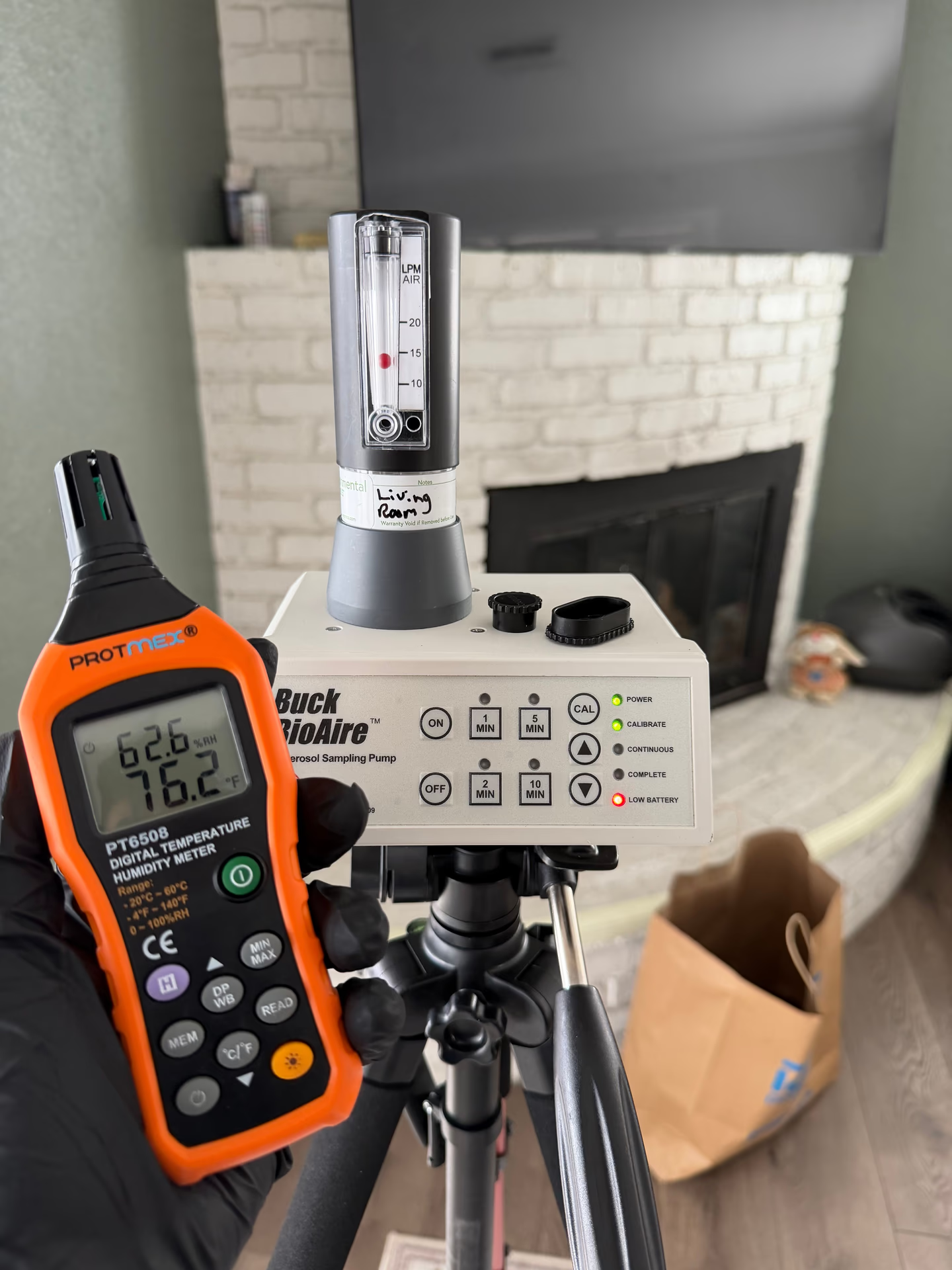
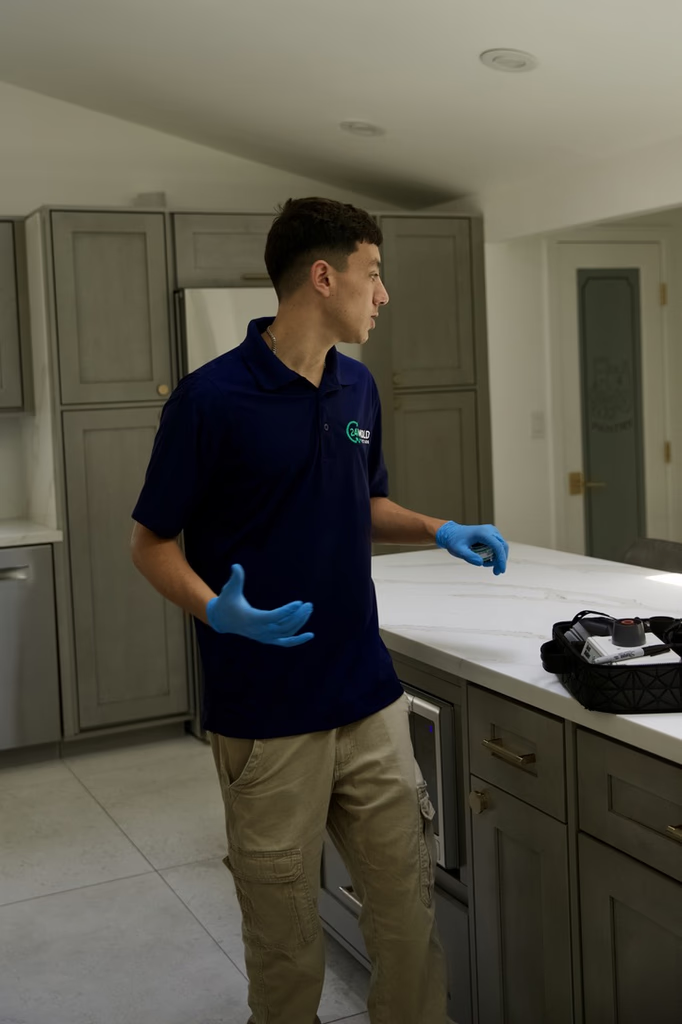
Our certified mold inspectors use calibrated sampling pumps to draw air through a spore trap cassette, capturing airborne mold spores. The lab identifies the mold species under a microscope, including any HVAC contamination if the system is implicated.
Our process includes:
- —Targeted sampling in problem areas and comparison sampling outdoors
- —Spore traps or impactor cassettes calibrated for accurate collection
- —Lab-verified results identifying species and spore counts
- —A written mold inspection report with the numbers and next steps
Mold inspection Pomona FAQ
Call For An InspectionContact
Book your Pomona mold inspection today
Tell us what's going on and we'll respond the same day
Location
24H Mold Inspection of Pomona
Phone
(840) 837-2225Service area neighborhoods
- Lincoln Park
- Ganesha Hills
- Wilton
- Phillips Ranch
- Pomona downtown
- Casa Colina
- Indian Hill
- Westmont