24H Mold Inspection
Pomona24/7 EMERGENCY(840) 837-2225
HomeOur ServicesMold InspectionCommercial Mold Inspection
Mold Inspection

Commercial Mold Inspection

Discreet mold and moisture assessment for offices, retail, hospitality, and industrial spaces. Reports built for operations teams, insurance files, and tenant communication.

Overview

Commercial mold inspection for occupied buildings

Commercial properties carry pressures that homes don't: dense occupancy, complex HVAC, building-envelope risks at scale, and a constant need to keep disruption low. Our commercial mold inspection accounts for how your building really operates, covering the tenant-facing areas alongside mechanical rooms, storage, loading docks, and shared corridors, while keeping communication clear for the facilities team, property managers, and ownership. We identify water sources and conditions that lead to mold, use the professional tools that add useful clarity, and produce reporting suitable for internal risk review, insurance documentation, or coordination with the remediation vendor you eventually pick. Inspection and testing sit entirely separate from remediation work, which is what keeps the guidance independent.
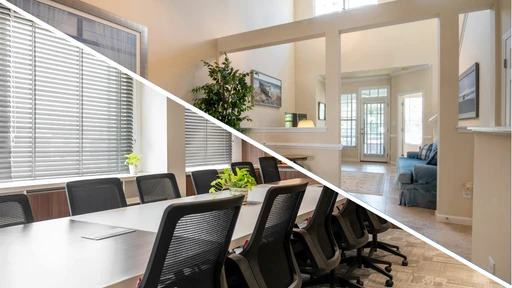
Commercial mold inspection for occupied buildings

Coverage

The commercial properties we cover

Commercial mold inspection scope adapts to building footprint, hours of operation, and the systems moving air and water through the property

Office and professional buildings

Multi-tenant offices, professional suites, and corporate campuses. Inspections scheduled around your operating hours to minimize tenant disruption.

Retail, restaurants, and mixed-use

Storefronts, restaurants, and ground-floor retail with residential above. Moisture sources here often involve HVAC, refrigeration condensation, or kitchen exhaust issues.

Warehouses and light industrial

Larger footprints, roof and envelope exposures, and storage conditions that create unique moisture risks. Reporting structured for facilities and EHS teams.

Hotels, HOAs, and multi-site portfolios

Hospitality properties, HOA-managed communities, and multi-site portfolios get consistent inspection processes across every location, with consolidated reporting.

Proven Trust

365+ operators trust us with their commercial mold inspection

From single-location businesses to regional portfolios, clients pick us for predictable scheduling, 24/7 emergency response, professional inspector conduct on site, and reports that translate findings into clear next steps without pushing remediation services.

Mold inspection Pomona FAQ

Call For An Inspection
If the home inspection mentioned staining, a musty smell, or signs of past leaks, yes — that note is the home inspector's way of handing the question to a specialist. A general inspection is a visual survey of the whole house; a mold inspection measures moisture inside walls, floors, and crawl spaces with thermal imaging and moisture meters, and sends air or surface samples to an accredited lab. In Pomona the difference shows up most in two kinds of houses. The Victorians and Craftsman homes of Lincoln Park and the older central neighborhoods sit on raised foundations, and the crawl space is where their moisture problems live and where a walkthrough rarely goes. The hillside homes of Phillips Ranch and Ganesha Hills take runoff against their uphill walls and slab edges, which looks fine from inside until the drywall is opened. Book the mold inspection within your contingency period so the results can still affect the deal.
They have more places for it to hide. The Lincoln Park Historic District covers 45 blocks and more than 800 structures, mostly single-family homes built between the 1890s and the 1940s, from late Victorians and Craftsman bungalows to Spanish and Colonial Revival houses. Nearly all of them were built on raised wood foundations over crawl spaces that were never designed with vapor barriers, and many still carry original or early-replacement galvanized plumbing and cast-iron drains. Over a century, they have also collected re-roofs, room additions, and enclosed porches, each joint a potential leak. The usual pattern is growth on the subfloor and joists beneath a bathroom or kitchen, damp crawl space soil after a wet winter, and staining in the attic around old chimney and vent penetrations. Because the district is protected, repairs often have to preserve original materials, so locating the exact source before anything is removed saves both the house and the budget.
Some of them, yes, and the effects can surface years later. Pomona felt the October 1987 quake centered in the San Gabriel Valley, and on February 28, 1990 a magnitude 5.7 earthquake centered at the foot of the San Gabriels just north of the Pomona Valley broke windows and caused structural damage in Pomona itself. Shaking of that kind opens hairline cracks in stucco and plaster, separates flashing at windows and chimneys, cracks unreinforced brick and older foundations, and strains plumbing joints inside walls. Some of that was repaired at the time; much of it was cosmetic patching over a crack that kept letting water in. In Pomona's pre-war housing, where chimneys, brick foundations, and lath-and-plaster walls are common, those old repairs are a frequent starting point for wall-cavity moisture. If your home dates from before 1990 and shows patched cracks near windows or chimneys, a moisture survey of those walls is worth doing.
Mostly problems driven by the slope. Louis Lesser bought Phillips Ranch in 1964 and began building in 1965, turning one of the largest undeveloped parcels in Los Angeles County into a hillside master-planned community on the city's southwest side. Homes there sit on graded pads cut into the hills, with retaining walls, terraced yards, and long downhill drainage runs. In a heavy storm, runoff concentrates against uphill walls and enters at the joint between slab and foundation, and clogged terrace drains or V-ditches turn a normal rain into a wet wall. Irrigation on steep yards keeps the uphill side damp year-round. Inside, the signs are mineral deposits on the slab edge, swelling baseboards on the hill side, and a musty smell in the lowest rooms or a below-grade garage. Mold detection here starts at the uphill wall and the retaining-wall drainage, then moves to the attic and HVAC in homes now 40 to 50 years old.
It is often worth it, whether you're the student, the parent, or the owner. Cal Poly Pomona was built on the former W.K. Kellogg ranch, and the neighborhoods around the campus carry a large stock of single-family houses rented by the room and small apartment buildings that turn over every academic year. High occupancy means more showers, cooking, and laundry than a house was designed to vent, and the gap between tenants is when slow leaks, failed bathroom fans, and window condensation go unnoticed. California law treats visible mold as a substandard housing condition under Health and Safety Code section 17920.3, and a building's age is not a defense. An inspection at move-in or after a reported leak documents the condition with moisture readings, photos, and lab results — a record that settles deposit and repair disputes, and that helps an owner fix the cause rather than repaint over it every summer.
It can, and it should whenever the home has one. Enclosed spa rooms and pool houses are among the most humid spaces a house can have: warm water evaporating constantly, often with an exhaust fan sized for a bathroom rather than a hot tub, and walls and ceilings that were finished with ordinary drywall. Growth tends to appear in ceiling corners, behind wall panels, and in the attic above. Outdoors, the risk shifts to water movement — splash-out and backwash draining toward the foundation, leaking supply and return lines under decking, and equipment pads plumbed through an exterior wall. On the sloped lots of Phillips Ranch and Ganesha Hills, a slow pool-line leak adds to the downhill water already moving against the house. We measure humidity and surface moisture in the enclosed space, check the adjoining walls and attic, and trace any moisture along the house wall back toward the pool plumbing.
Spore detection measures what is in the air; mold detection finds where the moisture and growth are. Spore detection uses a pump and spore trap to sample indoor air in each area of concern, with a matching outdoor sample collected at the same visit, and an accredited lab identifies the genera and concentrations. Mold detection is the instrument survey: thermal imaging for cool, wet areas behind finished surfaces, moisture meters to confirm and map them, and a borescope into a wall cavity when needed. In Pomona the outdoor baseline varies a lot — the open hillsides above Phillips Ranch and Ganesha Hills, the dust of the Fairplex grounds during events, and the traffic along the 10 and 71 all change it — so an indoor count only means something next to a same-day outdoor sample. Most inspections use both: the air sample confirms a problem, and the moisture survey shows where it is.

Contact

Book your Pomona mold inspection today

Tell us what's going on and we'll respond the same day

Location

24H Mold Inspection of Pomona

Hours

  • MondayOpen 24 hours
  • TuesdayOpen 24 hours
  • WednesdayOpen 24 hours
  • ThursdayOpen 24 hours
  • Friday6 AM – 6 PM
  • SaturdayClosed
  • SundayOpen 24 hours

Service area neighborhoods

  • Lincoln Park
  • Ganesha Hills
  • Wilton
  • Phillips Ranch
  • Pomona downtown
  • Casa Colina
  • Indian Hill
  • Westmont
Call For Service(840) 837-2225