
24H Mold Inspection
Seattle24/7 EMERGENCY(866) 634-6614
HomeOur ServicesMold InspectionCommercial Mold Inspection
Mold Inspection

Commercial Mold Inspection

Discreet mold and moisture assessment for offices, retail, hospitality, and industrial spaces. Reports built for operations teams, insurance files, and tenant communication.

Overview

Commercial mold inspection for occupied buildings

Commercial properties carry pressures that homes don't: dense occupancy, complex HVAC, building-envelope risks at scale, and a constant need to keep disruption low. Our commercial mold inspection accounts for how your building really operates, covering the tenant-facing areas alongside mechanical rooms, storage, loading docks, and shared corridors, while keeping communication clear for the facilities team, property managers, and ownership. We identify water sources and conditions that lead to mold, use the professional tools that add useful clarity, and produce reporting suitable for internal risk review, insurance documentation, or coordination with the remediation vendor you eventually pick. Inspection and testing sit entirely separate from remediation work, which is what keeps the guidance independent.
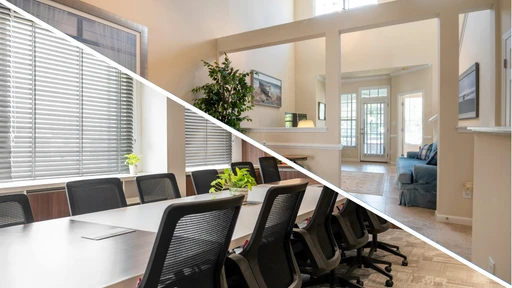
Commercial mold inspection for occupied buildings

Coverage

The commercial properties we cover

Commercial mold inspection scope adapts to building footprint, hours of operation, and the systems moving air and water through the property

Office and professional buildings

Multi-tenant offices, professional suites, and corporate campuses. Inspections scheduled around your operating hours to minimize tenant disruption.

Retail, restaurants, and mixed-use

Storefronts, restaurants, and ground-floor retail with residential above. Moisture sources here often involve HVAC, refrigeration condensation, or kitchen exhaust issues.

Warehouses and light industrial

Larger footprints, roof and envelope exposures, and storage conditions that create unique moisture risks. Reporting structured for facilities and EHS teams.

Hotels, HOAs, and multi-site portfolios

Hospitality properties, HOA-managed communities, and multi-site portfolios get consistent inspection processes across every location, with consolidated reporting.

Proven Trust

365+ operators trust us with their commercial mold inspection

From single-location businesses to regional portfolios, clients pick us for predictable scheduling, 24/7 emergency response, professional inspector conduct on site, and reports that translate findings into clear next steps without pushing remediation services.

Mold inspection Seattle FAQ

Call For An Inspection
Not every home, but the Pacific Northwest's long wet season — roughly October through April — creates sustained moisture loading that inland climates don't experience. The real risk isn't the rain itself but what happens when water finds a gap: a failed flashing, a cracked foundation stem wall, a crawl space vapor barrier that's deteriorated. Seattle's housing stock includes a significant number of homes built before modern vapor barriers and building envelope standards, and those properties accumulate moisture over decades rather than in a single event. What distinguishes a home with a manageable moisture profile from one with an active mold problem is usually the condition of the crawl space, the attic ventilation, and whether any plumbing or drainage failures have been left unaddressed. Inspection identifies which category your property falls into.
Seattle's Craftsman and bungalow housing from the 1900s through 1930s was built for a wet climate but without the vapor management systems that modern construction takes for granted. Original crawl spaces often have no vapor barrier or a deteriorated one, original wood framing sits closer to grade than current code would allow, and original roofing details — cedar shingles, built-up roof edges, early asphalt — have been replaced multiple times, with each replacement cycle creating new opportunities for water to enter at transitions. In Ballard, Fremont, and Capitol Hill specifically, many of these homes also have cast-iron or galvanized supply lines that develop slow behind-wall leaks invisible to a visual inspection. Thermal imaging and moisture meters find the wet framing and cavity accumulation that a surface walkthrough misses.
In the older masonry and wood-frame apartment stock it's consistently found, and the mechanism is usually building-system failure rather than individual unit behavior. A roof leak on a six-story brick building travels down interior party walls and shows up in third-floor units months after the water entered at the top. A failed window seal on a 1960s aluminum window frame lets condensation accumulate inside the wall cavity across dozens of units on the same exposure. High occupancy and cooking humidity in units with undersized bath exhaust — common in Capitol Hill and First Hill walk-ups — keeps indoor relative humidity above the threshold where surface mold grows. For property managers and HOA boards, a building-level inspection that documents which systems are contributing to moisture conditions is different from a single-unit inspection.
The February 28, 2001 Nisqually earthquake measured 6.8 and caused widespread cracking in unreinforced masonry chimneys, brick veneer, and older concrete foundations across Seattle and the South Sound. Many of those cracks were repaired cosmetically rather than structurally — tuck-pointed or stuccoed over — and have been admitting water ever since. In West Seattle, Capitol Hill, and the older neighborhoods of Beacon Hill, a property that was never fully assessed after 2001 may have a foundation or chimney moisture pathway that's been active for twenty-five years. Pre-purchase inspections on Seattle homes built before 1950 should specifically ask whether any earthquake-related foundation or masonry work was documented.
Yes — Washington State's Residential Landlord-Tenant Act requires landlords to maintain rental properties in a condition that does not endanger health, and the Seattle Housing Code specifically addresses moisture and mold as habitability conditions. A tenant who reports visible mold or musty odors in writing creates a documented record that the landlord must respond to. An independent mold inspection — from a company with no remediation work to sell — produces lab-verified findings that document the condition and its probable source in a form that holds up in a dispute with a landlord, a housing authority inspector, or a court. Seattle's rental market includes a significant stock of older apartments where building-system moisture failures affect multiple tenants simultaneously.
Seattle's raised-foundation housing stock means crawl space inspections are a routine part of most assessments here. The crawl space is where Pacific Northwest moisture accumulates first — ground moisture migrates up through soil and concrete if the vapor barrier has failed or was never installed, wood framing sits in elevated humidity for years, and the combination of damp wood and poor ventilation creates ideal mold conditions invisible from the living space above. The inspection maps moisture readings across the subfloor framing and joists, checks the condition and coverage of any vapor barrier, evaluates cross-ventilation through foundation vents, and samples air or surfaces where growth is visible or suspected. Findings are reported with the moisture source identified, not just the mold symptom.
Our Seattle team covers all Seattle neighborhoods — Ballard, Capitol Hill, West Seattle, Fremont, Queen Anne, South Lake Union, Beacon Hill, and Rainier Valley — with same-day and next-day appointments and 24/7 emergency response for active leaks and water damage. Several neighboring cities have their own dedicated 24H Mold Inspection pages with local teams: Bellevue, Renton, Tacoma, and Everett each have separate coverage with their own local phone numbers and area expertise. If your property is in one of those cities, start with that page for the most relevant local information.

Contact

Book your Seattle mold inspection today

Tell us what's going on and we'll respond the same day

Location

24H Mold Inspection of Seattle

Hours

  • MondayOpen 24 hours
  • TuesdayOpen 24 hours
  • WednesdayOpen 24 hours
  • ThursdayOpen 24 hours
  • Friday6 AM – 6 PM
  • SaturdayClosed
  • SundayOpen 24 hours

Service area neighborhoods

  • Ballard
  • Capitol Hill
  • West Seattle
  • Fremont
  • Queen Anne
  • South Lake Union
  • Beacon Hill
  • Rainier Valley
Call For Service(866) 634-6614