1
Mold inspection
- Moisture detection
- Infrared technology
- Certified mold inspectors
- No conflict of interest

Certified mold inspection and testing in Seattle. Same-day appointments, lab-verified reports, and no financial stake in any remediation work that follows.
(866) 634-6614What We Do
Air and surface samples analyzed in a state-certified lab. You receive mold species ID, spore count data, and lab-verified documentation that holds up with insurers, attorneys, or counsel.
About
At 24H Mold Inspection of Seattle, we know no two buildings respond to moisture the same way.
Seattle's marine climate delivers persistent rainfall, overcast skies, and humidity levels that make it one of the highest mold-risk cities in the country — moisture is not a seasonal concern here, it's a year-round condition. The city's varied building stock, from Craftsman bungalows in Ballard and Capitol Hill to mid-century ramblers in West Seattle and newer mixed-use construction in South Lake Union, each responds to that moisture differently. Inadequate attic ventilation, aging window seals, and the region's characteristically wet crawl spaces are the most common entry points for mold growth across Seattle properties.
Seattle's housing stock is unusually diverse, ranging from early-twentieth-century Craftsman and Victorian homes in established neighborhoods to post-war ramblers, mid-rise condominiums, and newer high-density residential buildings closer to downtown. Older wood-frame homes are particularly vulnerable to mold in crawl spaces, around original single-pane windows, and behind exterior wall cladding where moisture has accumulated over decades of wet winters.
Services
Mold inspection, mold testing, and environmental risk assessments for Seattle properties. Available 24/7, with no remediation work to bias the findings.

Why Us
24H Mold Inspection of Seattle combines local field experience with state-certified methods and lab analysis. Reports get back to you quickly and clearly, with no upsell tacked on to the findings.
We don't stop at surface-level findings. Active leaks, health symptoms, post-remediation work, and pre-purchase due diligence each call for a different inspection approach. Our certified mold inspectors guide you through the specific situation rather than running a generic checklist.
Strengths
We check every box, then go further. Book your inspection today
Licensed inspectors with proven field experience in Seattle.
FLIR thermal cameras, calibrated moisture meters, and lab-verified sampling.
Straightforward updates and honest reporting throughout the process.
4.9 stars from 57+ Seattle homeowners and businesses.
Testimonials
Thousands of Seattle property owners have come to us for reliable, detailed mold assessments
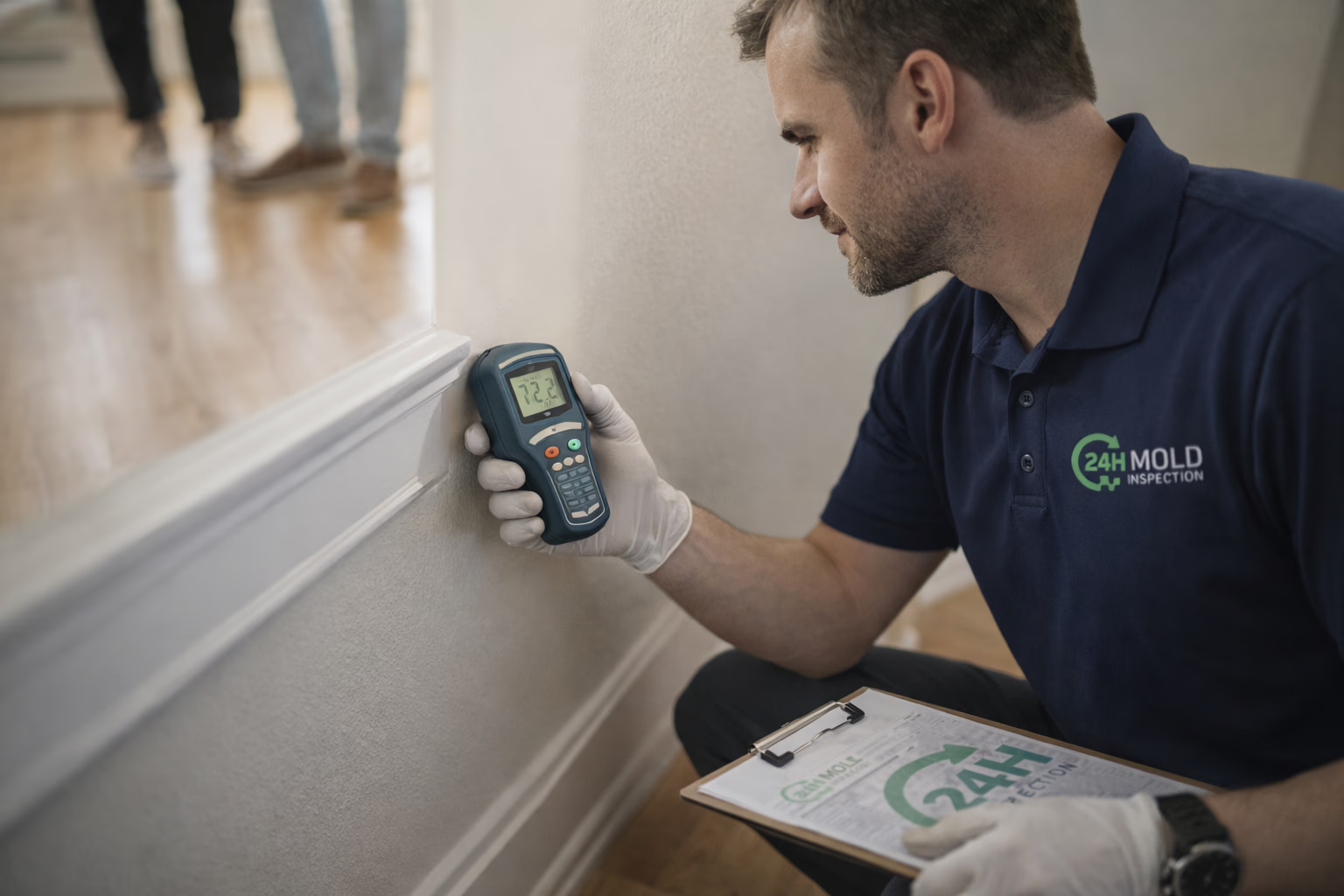
After a small leak in the pantry I started noticing some suspicious dark spots on the baseboards. The inspector was very detailed and checked the moisture levels in the drywall to see how far it spread. I feel much better knowing that the issue is contained and we caught it before it became a major health hazard for us.
Talin T.
5 Step Process
Choose a date and time that fits your schedule.
Flexible scheduling means same-day and next-day appointments are usually available, with 24/7 emergency response when the situation needs it.
Our certified mold inspectors assess every mold-prone area.
We walk the property identifying visible mold and moisture issues, using thermal imaging and moisture meters to catch what's hidden behind walls and under flooring.
Air and surface samples collected for lab analysis.
Our certified mold inspectors collect targeted samples from key areas to find mold spores both visible and hidden, with sample sites documented on a property map.
Lab testing returns precise results.
Samples go to a state-certified lab for detailed analysis identifying mold species and contamination levels, typically returned within 24 to 72 hours.
Insights and clear next steps from our experts.
You receive a written report with lab results, inspector findings, and specific recommended action steps to resolve any mold issues safely.
Who We Serve
24H Mold Inspection of Seattle brings clear answers to HOAs, hotels, commercial buildings, and homes through certified mold inspection and testing services.
Ballard's original housing stock is Scandinavian worker cottages and bungalows built between the 1900s and 1930s for the fishing and lumber industry, and many sit within a few blocks of the Lake Washington Ship Canal where the water table runs close to the surface. The neighborhood's older raised foundations and crawl spaces were built for a wetter climate than most of the country, but a century of deferred maintenance means original drainage and vapor barriers have long since failed. Fremont's mix of Victorian-era buildings along the canal and early-1900s craftsman housing carries the same crawl space exposure alongside aging cast-iron and galvanized plumbing that develops slow behind-wall leaks.
Capitol Hill has been a dense residential neighborhood since the early 1900s, and its housing ranges from ornate Queen Anne and Victorian homes on its western ridge to the brick apartment buildings and four-story walk-ups that filled in through the 1950s and 1960s. The older masonry apartment buildings along Broadway and Pine Street carry the classic stacked-building moisture pathway — a roof leak or failed window flashing on the upper floor travels down party walls and shows up in the unit below, often months after the source event. The neighborhood's high rental density and frequent unit turnover means moisture conditions accumulate between occupancies.
West Seattle sits on a peninsula above Elliott Bay and Puget Sound, and its hillside neighborhoods — Alki, Admiral, Morgan Junction — combine direct ocean-adjacent moisture exposure with the slope drainage patterns common to any Seattle hillside. The Alki beachfront properties sit on made ground above the original tideland, where the water table is shallow and salt air degrades exterior sealing faster than in inland neighborhoods. Admiral District homes from the 1910s through 1940s sit on cut-and-fill lots where the downhill foundation face and retaining walls collect slope runoff. The 2001 Nisqually earthquake opened foundation cracks and chimney gaps in this housing era that are still allowing water intrusion in properties that haven't been fully assessed since.
Queen Anne Hill carries Seattle's densest concentration of Victorian and Edwardian housing, some of the oldest residential structures in the city, on a ridge where wind-driven rain hits west and north elevations and drainage moves steeply down all four sides. The original slate and cedar roofing on these properties has been replaced multiple times, and each re-roofing cycle changes how water is shed at the eave and valley — sometimes redirecting it into wall assemblies rather than off the building. South Lake Union's rapid conversion from industrial warehouse to residential and tech campus has produced buildings where former loading dock floors, concrete slabs, and mechanical pits sit beneath new residential and office occupancy, with moisture histories that new construction documentation rarely captures.
Beacon Hill is a north-south ridge with steep east and west slopes where older Craftsman and Colonial Revival homes from the 1910s through 1930s sit on lots that shed water rapidly toward the valley below. The east slope feeds into Rainier Valley, which follows the historic path of the Duwamish River before it was channelized, and low-lying sections of Rainier Valley — particularly around Martin Luther King Jr. Way — flood in heavy rain events. The 2006 and 2009 Pineapple Express storms produced significant basement flooding throughout the valley. Hillside homes on Beacon Hill catch slope runoff at their uphill foundations; valley properties accumulate groundwater from the surrounding ridge drainage.
Google Search
Add 24H Mold Inspection as a preferred source so our pages are easier to spot in your Google results.
Contact
Tell us what's going on and we'll respond the same day
Location
24H Mold Inspection of Seattle
Phone
(866) 634-6614Hours
Service area neighborhoods
Newsletter
Monthly notes from our inspectors on prevention and air quality.