
24H Mold Inspection
Bloomfield Hills24/7 EMERGENCY(248) 677-2677
HomeOur ServicesMold InspectionResidential Mold Inspection
Mold Inspection

Residential Mold Inspection

Certified mold and moisture inspection for the places you live. Clear answers for your family, your lease, your sale, or your next-door rental.

Overview

Residential mold inspection for the place you live

Mold in a home is rarely just a cosmetic problem. It usually follows a slow leak, poor ventilation, or past water damage that never fully dried, and it affects air quality, allergies, and how the place feels long before any growth becomes visible. Our residential mold inspection is structured around how families really use their homes: kids' bedrooms, primary suites, bathrooms, laundry rooms, basements, attics, and anywhere plumbing runs hidden behind walls. Whether you own the place, you're renting, or you're under contract on a sale, we document what's there clearly, explain the findings in language anyone can follow, and tell you whether sampling or remediation makes sense as a next step. We don't sell the cleanup, so we have no reason to push you toward work you don't need.
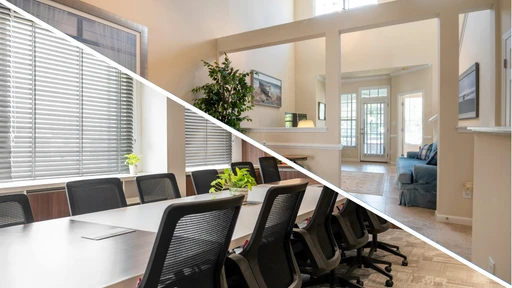
Residential mold inspection for the place you live

Coverage

Every residential mold inspection we handle

One careful process, applied to single-family houses, multi-family buildings, and the rentals in between

Single-family homes and townhomes

From starter homes to long-term family residences, with focus on hidden moisture and the slow leaks that lead to bigger problems.

Condos and co-ops

Shared walls, shared plumbing, and shared HVAC create unique mold risks. Our certified mold inspectors document conditions for owners and HOA boards alike.

Duplexes and small multi-family

Two-unit, three-unit, and small multi-family residential properties get the same careful inspection process as single-family, with separate reporting per unit when needed.

Rental units (tenant or landlord)

Independent residential mold inspection reports protect both tenants and landlords, with documentation that holds up for lease disputes, insurance, and habitability claims.

Proven Trust

365+ homes trust us with their mold inspection

Homeowners, buyers, and property managers come back to us for fast scheduling, clean documentation, and reports they can hand to contractors, insurers, or a real estate team. No conflict of interest, because we inspect and test, never remediate.

Mold inspection Bloomfield Hills FAQ

Call For An Inspection
West Bloomfield, Waterford, and Keego Harbor sit in the heart of Oakland County's lakes region, ringed by water — Cass, Sylvan, and dozens of smaller lakes — with many homes built right to the shoreline. Lakefront and near-lake properties face a permanently high water table, seawall and dock exposure, and older lake-cottage construction, so ground moisture presses into basements and crawl spaces far more than on dry inland lots. That constant hydrostatic pressure can push water through foundation walls and slabs without any plumbing failure, and finished lower levels trap it against organic materials. Lakeside homes benefit from an inspection focused on the below-grade walls, crawl spaces, and the water-facing side of the foundation.
Bloomfield Hills is anchored by Cranbrook, a 319-acre National Historic Landmark campus of 1920s Saarinen and Kahn architecture with schools, an art museum, a science institute, and 40 acres of gardens. These grand historic buildings — and the Booth-era estates around them — carry nearly a century of original stone, masonry, and roof systems where moisture moves slowly and hides behind historic finishes. A slow roof or masonry leak can wet framing and plaster for a long time before it shows, and preservation constraints can make envelope upgrades slower to carry out. An inspection of a historic estate focuses on the masonry, roof-and-drainage details, and any below-grade or finished space.
Cranbrook helped make Bloomfield Hills a cradle of American modernism, and the area holds a notable stock of architect-designed mid-century modern homes. Their signature features — flat and low-slope roofs, walls of single-pane glass, and post-and-beam construction — are exactly the elements that challenge water management, so ponding roofs and condensation at the glass are recurring issues here. Flat roofs pond and leak at seams and drains, and large single-pane windows sweat heavily in Michigan winters, feeding mold at sills and wall tops. An inspection of a mid-century modern home focuses on the roof and its drainage, the glazing and window assemblies, and the framing below.
Neighboring Pontiac is a sharp contrast — an older industrial city built around former auto manufacturing, with dense pre-war working-class housing along the Clinton River. There, aging basements, original plumbing, and decades of deferred maintenance make foundation and basement moisture the routine finding, a very different profile from the estates just to the south. Homes near the Clinton River also carry added groundwater and flood exposure. For these properties, an inspection focuses on the basement and foundation, the original plumbing, and any river-proximity water history — the moisture sources most common in older, harder-worked housing.
Beyond the marquee estates, Bloomfield Township holds post-war ranches, split-levels, and newer subdivisions on rolling, wooded lots, along with the Oakland Hills Country Club corridor. This mix of construction eras means moisture risk ranges widely — aging basements and original systems in the older homes, and sealed-envelope and roofing issues in the newer builds where tight construction traps indoor humidity. Wooded lots also slow drying after rain and snowmelt. The right inspection depends on the home's age: older homes call for a basement-and-plumbing focus, newer ones for envelope, ventilation, and roof-drainage checks.
They can. Bloomfield Hills is known for its mature tree canopy and heavily wooded lots, and that shade slows drying after rainfall and snowmelt, keeping exterior surfaces and soil moisture elevated for extended periods around the home. Persistent ground moisture presses on foundation walls and works into crawl spaces and basements, and leaf debris in gutters and against foundations holds water where it can intrude. The estate scale — complex rooflines, dormers, and multi-level construction — adds more surface area for water to find its way in. An inspection accounts for the wooded setting by focusing on drainage around the foundation, gutter and roof performance, and below-grade moisture.
The scale and age of Bloomfield Hills homes make a pre-purchase inspection here more involved than a standard walkthrough. Because most estates were custom-built between the 1940s and 1980s with large finished basements, the priorities are the below-grade space for seepage behind drywall, carpet, and drop ceilings; the complex roofline, dormers, and multi-level transitions where water intrudes; and any historic masonry or mid-century flat roof and glazing. On lakefront lots, the water-facing foundation; in wooded settings, foundation drainage. Because these homes are large and often remodeled, moisture problems can affect significant square footage before they're detected, and older water damage may have been covered over. An independent inspection — with no stake in remediation — gives a clear picture before closing.

Contact

Book your Bloomfield Hills mold inspection today

Tell us what's going on and we'll respond the same day

Location

24H Mold Inspection of Bloomfield Hills

Service area neighborhoods

  • Bloomfield Hills
  • Bloomfield Township
  • Pontiac (adjacent)
  • Waterford Township (adjacent)
  • West Bloomfield
  • Keego Harbor
Call For Service(248) 677-2677