
24H Mold Inspection
Ann Arbor24/7 EMERGENCY(734) 706-4508
HomeOur ServicesMold InspectionResidential Mold Inspection
Mold Inspection

Residential Mold Inspection

Certified mold and moisture inspection for the places you live. Clear answers for your family, your lease, your sale, or your next-door rental.

Overview

Residential mold inspection for the place you live

Mold in a home is rarely just a cosmetic problem. It usually follows a slow leak, poor ventilation, or past water damage that never fully dried, and it affects air quality, allergies, and how the place feels long before any growth becomes visible. Our residential mold inspection is structured around how families really use their homes: kids' bedrooms, primary suites, bathrooms, laundry rooms, basements, attics, and anywhere plumbing runs hidden behind walls. Whether you own the place, you're renting, or you're under contract on a sale, we document what's there clearly, explain the findings in language anyone can follow, and tell you whether sampling or remediation makes sense as a next step. We don't sell the cleanup, so we have no reason to push you toward work you don't need.
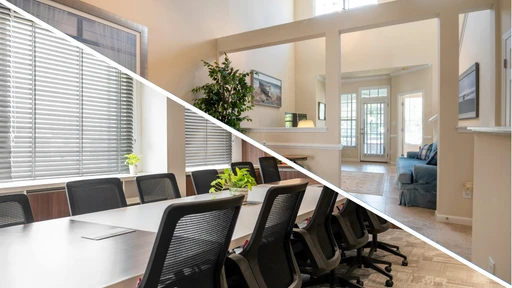
Residential mold inspection for the place you live

Coverage

Every residential mold inspection we handle

One careful process, applied to single-family houses, multi-family buildings, and the rentals in between

Single-family homes and townhomes

From starter homes to long-term family residences, with focus on hidden moisture and the slow leaks that lead to bigger problems.

Condos and co-ops

Shared walls, shared plumbing, and shared HVAC create unique mold risks. Our certified mold inspectors document conditions for owners and HOA boards alike.

Duplexes and small multi-family

Two-unit, three-unit, and small multi-family residential properties get the same careful inspection process as single-family, with separate reporting per unit when needed.

Rental units (tenant or landlord)

Independent residential mold inspection reports protect both tenants and landlords, with documentation that holds up for lease disputes, insurance, and habitability claims.

Proven Trust

365+ homes trust us with their mold inspection

Homeowners, buyers, and property managers come back to us for fast scheduling, clean documentation, and reports they can hand to contractors, insurers, or a real estate team. No conflict of interest, because we inspect and test, never remediate.

Mold inspection Ann Arbor FAQ

Call For An Inspection
Ann Arbor's student rental market is concentrated in older homes near campus that see high occupancy, rapid tenant turnover, and inconsistent maintenance between leases — conditions that let mold develop and persist unnoticed. The most common trouble spots are basements used as extra bedrooms or storage, bathrooms with poor ventilation and heavy shared use, and window and exterior-wall areas in homes with aging weatherproofing. Because leases often turn over in a single August week, problems left by the previous tenants can carry into the next lease without ever being addressed. A quick mold inspection before signing — or right after a reported leak — protects the tenants' health and the deposit, and gives documentation if a dispute arises with the landlord.
The Old West Side Historic District, with most of its homes built between 1860 and 1914, is representative of Ann Arbor's oldest stock — Queen Anne Victorians, Craftsman bungalows, and Tudors that have stood for a century or more. Homes of this age typically have original stone or block basement foundations that predate modern waterproofing, aging plaster wall assemblies that hold moisture, and roof and attic systems modified many times. Because the district is on the National Register and locally regulated, exterior changes are reviewed, which can make drainage, window, and ventilation upgrades slower to carry out — so moisture tends to accumulate. An inspection of a historic Ann Arbor home focuses on the original basement, attic ventilation, and any additions or conversions.
Yes. Allen Creek is a largely enclosed urban drainageway whose downstream reach, near its outlet to the Huron River, is undersized — the roughly 90-year-old enclosure handles only about a 2-year storm, and modeled 100-year flood depths reach 8 to 9 feet in the commercial and residential areas near the discharge. Properties in the mapped floodplain, including parts of downtown and the lower-elevation neighborhoods, carry both direct flood risk and chronic groundwater exposure, and high Huron River levels can flood Island Drive and Canal Street apartments. Any home or building in the Allen Creek floodplain or near the river that took on water — or hasn't had a recent basement assessment — should be a priority for inspection.
They do. Ann Arbor's cold, snowy winters drive freeze-thaw cycling and ice dams — ridges of ice that form at the roof edge when attic heat melts snow that refreezes at the eaves. Ice dams back water up under shingles and into the roof deck, wall tops, and ceilings, where it feeds mold that isn't visible until staining or odor appears indoors. Older Ann Arbor homes are especially vulnerable because their attic insulation and ventilation often predate modern standards, letting warm air reach the roof sheathing and condense there in winter. Checking the attic and upper walls after a hard winter, and correcting ventilation, is part of keeping these homes mold-free.
Ann Arbor's established neighborhoods are full of pre-1960 homes with original stone or block basement foundations that were never built to modern waterproofing standards. After decades of Michigan groundwater pressure, freeze-thaw cycling, and heavy spring snowmelt, seepage through foundation walls and floor slabs is common, and many of these basements are finished or used for storage in ways that trap the resulting dampness. Because the moisture load is chronic rather than a single dramatic leak, mold can grow behind paneling, under carpet, and along sill plates for years unnoticed. A basement moisture assessment distinguishes normal older-home dampness from an active drainage or foundation problem that needs correction.
A large share of Ann Arbor's rental stock is older single-family homes divided into multiple units for students and young professionals. These conversions often add bathrooms, kitchens, and bedrooms in basements and attics — the very spaces most prone to moisture — and route new plumbing through old walls, creating hidden leak paths. High combined occupancy raises indoor humidity, and a moisture or mold problem in one unit can migrate through shared walls and floors into another. For owners and managers, inspection between tenancies and after any reported leak catches these issues before they spread; for tenants, it documents conditions at move-in.
Because so much of Ann Arbor's housing is pre-1960 — and in historic districts, often pre-1914 — a pre-purchase inspection here goes beyond a surface walkthrough. The key areas are the original stone or block basement for seepage and past water staining, the attic for ice-dam damage and ventilation-related condensation mold, and any basement or attic converted to living space where older water damage may have been covered over. If the property is a former or current rental, it's worth checking added bathrooms and kitchens for hidden leaks, and confirming floodplain status near Allen Creek or the Huron River. An independent inspection — with no stake in remediation — gives a clear moisture picture before closing.

Contact

Book your Ann Arbor mold inspection today

Tell us what's going on and we'll respond the same day

Location

24H Mold Inspection of Ann Arbor

Service area neighborhoods

  • Kerrytown
  • Burns Park
  • Old West Side
  • Water Hill
  • Germantown
  • Lower Burns Park
  • Northeast Ann Arbor
  • Pittsfield Township (adjacent)
Call For Service(734) 706-4508