1
Mold inspection
- Moisture detection
- Infrared technology
- Certified mold inspectors
- No conflict of interest

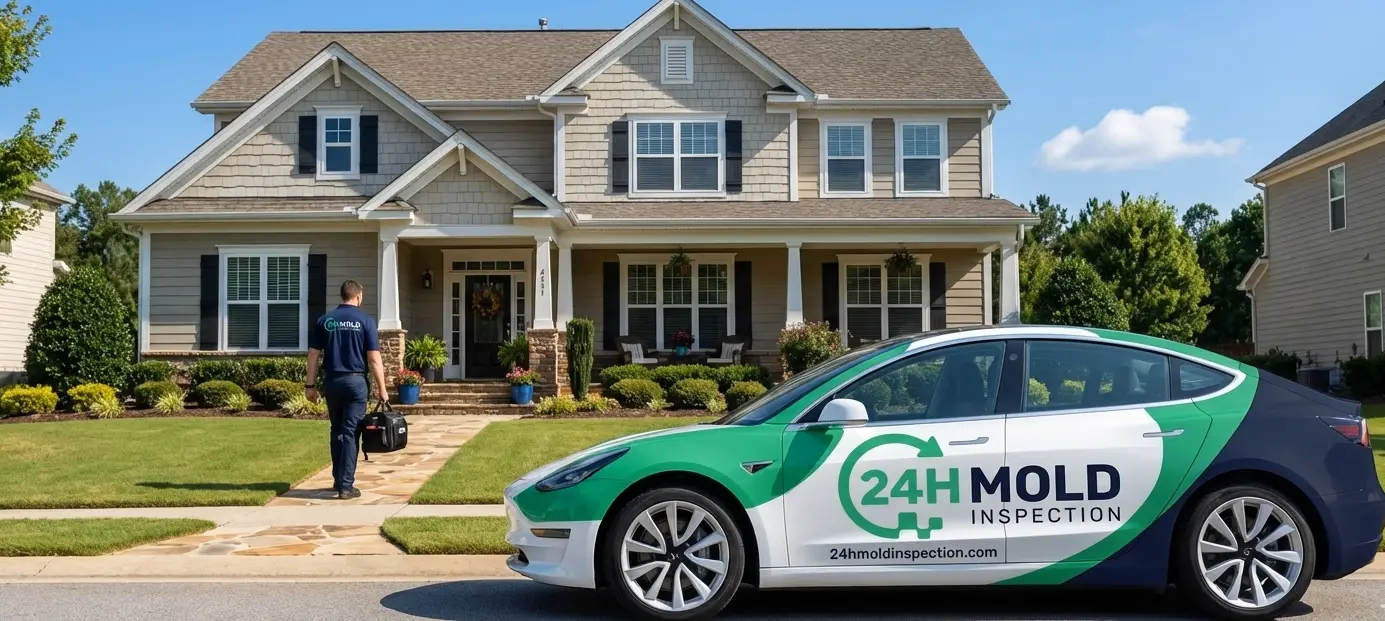
Certified mold inspection and testing in Ann Arbor. Same-day appointments, lab-verified reports, and no financial stake in any remediation work that follows.
(734) 706-4508What We Do
Air and surface samples analyzed in a state-certified lab. You receive mold species ID, spore count data, and lab-verified documentation that holds up with insurers, attorneys, or counsel.
About
At 24H Mold Inspection of Ann Arbor, we know no two buildings respond to moisture the same way.
Ann Arbor's combination of a large university population, a dense stock of older rental properties, and Michigan's demanding climate creates a distinctive mold environment where deferred maintenance, high occupant turnover, and aging building systems converge. The city's established neighborhoods contain a high concentration of homes built before 1960, many of which have original or modified basement waterproofing, aging plaster wall assemblies, and attic ventilation systems that predate modern standards. The Huron River corridor running through the city adds localized moisture pressure for properties in the lower-elevation neighborhoods near the water.
Ann Arbor's housing stock is anchored by pre-war and mid-century single-family homes in the established neighborhoods near the university, a large inventory of converted multi-family rental properties, and newer construction on the city's outer edges. The rental property segment is particularly relevant from a mold inspection standpoint — high tenant turnover, deferred maintenance, and the moisture load from high occupancy rates in older buildings create conditions where mold can develop and persist undetected between tenancies.
Services
Mold inspection, mold testing, and environmental risk assessments for Ann Arbor properties. Available 24/7, with no remediation work to bias the findings.

Why Us
24H Mold Inspection of Ann Arbor combines local field experience with state-certified methods and lab analysis. Reports get back to you quickly and clearly, with no upsell tacked on to the findings.
We don't stop at surface-level findings. Active leaks, health symptoms, post-remediation work, and pre-purchase due diligence each call for a different inspection approach. Our certified mold inspectors guide you through the specific situation rather than running a generic checklist.
Strengths
We check every box, then go further. Book your inspection today
Licensed inspectors with proven field experience in Ann Arbor.
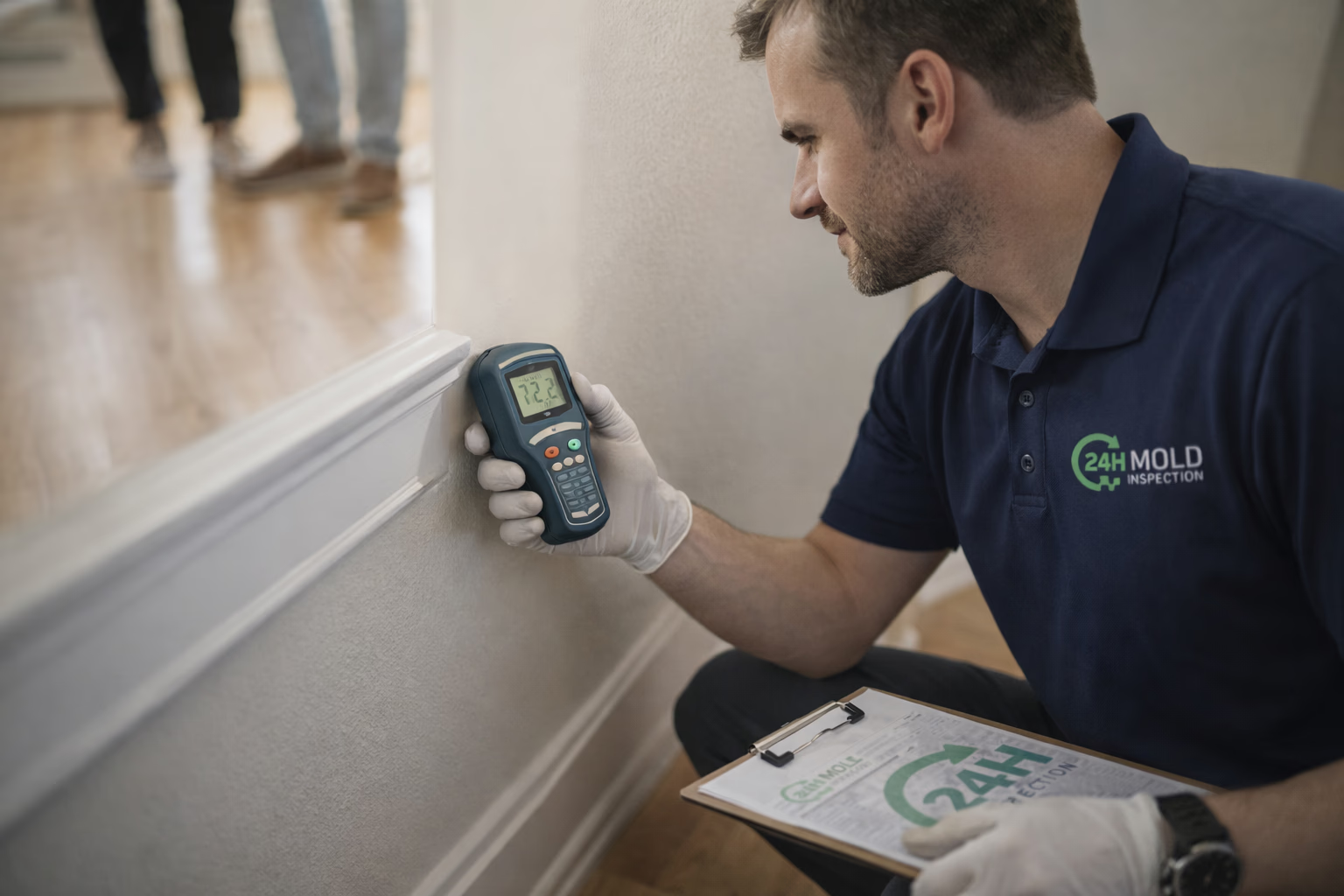
FLIR thermal cameras, calibrated moisture meters, and lab-verified sampling.
Straightforward updates and honest reporting throughout the process.
4.9 stars from 114+ Ann Arbor homeowners and businesses.
Testimonials
Thousands of Ann Arbor property owners have come to us for reliable, detailed mold assessments
We had a pipe burst in the wall and I was convinced the whole house was going to be infested. The mold inspection was very reassuring because they checked all the neighboring rooms just to be safe. Luckily the dry out was successful and we got a clean bill of health. I really appreciated how patient the inspector was with all my paranoid questions.
Steven A.
5 Step Process
Choose a date and time that fits your schedule.
Flexible scheduling means same-day and next-day appointments are usually available, with 24/7 emergency response when the situation needs it.
Our certified mold inspectors assess every mold-prone area.
We walk the property identifying visible mold and moisture issues, using thermal imaging and moisture meters to catch what's hidden behind walls and under flooring.
Air and surface samples collected for lab analysis.
Our certified mold inspectors collect targeted samples from key areas to find mold spores both visible and hidden, with sample sites documented on a property map.
Lab testing returns precise results.
Samples go to a state-certified lab for detailed analysis identifying mold species and contamination levels, typically returned within 24 to 72 hours.
Insights and clear next steps from our experts.
You receive a written report with lab results, inspector findings, and specific recommended action steps to resolve any mold issues safely.
Who We Serve
24H Mold Inspection of Ann Arbor brings clear answers to HOAs, hotels, commercial buildings, and homes through certified mold inspection and testing services.
The Old West Side and Old Fourth Ward hold some of the city's oldest homes — largely built between the 1850s and 1920s, many on the National Register and protected from major exterior changes. Original wood framing, plaster wall assemblies, and rubble or shallow basements let moisture move slowly and hide well, and preservation rules can limit the ventilation or drainage retrofits that would otherwise fix it.
The blocks around South University, Packard, and State Street are dominated by converted multi-unit student rentals, and in parts of the Old Fourth Ward close to all housing is renter-occupied. High occupancy pushes a heavy load of shower, cooking, and drying moisture through aging buildings, and with turnover each spring, problems often develop and sit undetected between tenancies.
Water Hill, lower Kerrytown, and Lower Town sit on low, former industrial ground near the Huron River, where a higher water table presses moisture up into basements and crawl spaces. Homes closest to the river and its floodplain carry a persistent damp load that has little to do with any single leak.
Burns Park and Ann Arbor Hills are anchored by early-to-mid-20th-century family homes — Bungalow, Tudor, and Cottage styles with original plaster walls and coved ceilings. Aging roofs, dated attic ventilation, and the mature tree canopy that shades roofs and clogs gutters make slow attic and wall moisture the common pattern on these owner-occupied streets.
Toward the edges — Northeast Ann Arbor and adjacent Pittsfield Township — the housing shifts to newer subdivisions and townhomes with tighter, well-sealed envelopes. Mold risk here comes less from age and more from trapped interior humidity around bathrooms, laundry areas, and under-ventilated attics, plus rainy-season roof and window intrusion.
Google Search
Add 24H Mold Inspection as a preferred source so our pages are easier to spot in your Google results.
Contact
Tell us what's going on and we'll respond the same day
Location
24H Mold Inspection of Ann Arbor
Phone
(734) 706-4508Hours
Service area neighborhoods
Newsletter
Monthly notes from our inspectors on prevention and air quality.