24H Mold Inspection
Palmdale24/7 EMERGENCY(661) 844-7723
HomeOur ServicesMold InspectionResidential Mold Inspection
Mold Inspection

Residential Mold Inspection

Certified mold and moisture inspection for the places you live. Clear answers for your family, your lease, your sale, or your next-door rental.

Overview

Residential mold inspection for the place you live

Mold in a home is rarely just a cosmetic problem. It usually follows a slow leak, poor ventilation, or past water damage that never fully dried, and it affects air quality, allergies, and how the place feels long before any growth becomes visible. Our residential mold inspection is structured around how families really use their homes: kids' bedrooms, primary suites, bathrooms, laundry rooms, basements, attics, and anywhere plumbing runs hidden behind walls. Whether you own the place, you're renting, or you're under contract on a sale, we document what's there clearly, explain the findings in language anyone can follow, and tell you whether sampling or remediation makes sense as a next step. We don't sell the cleanup, so we have no reason to push you toward work you don't need.
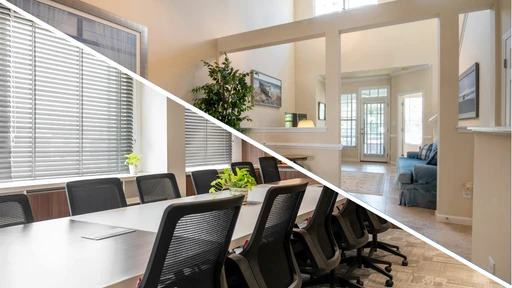
Residential mold inspection for the place you live

Coverage

Every residential mold inspection we handle

One careful process, applied to single-family houses, multi-family buildings, and the rentals in between

Single-family homes and townhomes

From starter homes to long-term family residences, with focus on hidden moisture and the slow leaks that lead to bigger problems.

Condos and co-ops

Shared walls, shared plumbing, and shared HVAC create unique mold risks. Our certified mold inspectors document conditions for owners and HOA boards alike.

Duplexes and small multi-family

Two-unit, three-unit, and small multi-family residential properties get the same careful inspection process as single-family, with separate reporting per unit when needed.

Rental units (tenant or landlord)

Independent residential mold inspection reports protect both tenants and landlords, with documentation that holds up for lease disputes, insurance, and habitability claims.

Proven Trust

365+ homes trust us with their mold inspection

Homeowners, buyers, and property managers come back to us for fast scheduling, clean documentation, and reports they can hand to contractors, insurers, or a real estate team. No conflict of interest, because we inspect and test, never remediate.

Mold inspection Palmdale FAQ

Call For An Inspection
Leave it in place and find out what it is before anyone removes it. Dark growth is often a common species rather than Stachybotrys, and the two cannot be told apart by eye — only a lab sample can. Scrubbing or bleaching it releases spores into the house and destroys the evidence needed to scope the cleanup. Close off the room, shut down any HVAC or evaporative cooler that circulates air through it, and photograph what you see. Then look for the water, because black mold in a Palmdale home almost always means sustained moisture: a supply line weeping behind a wall, a slab leak, a cooler leaking into the attic, a roof that let in a monsoon storm, or condensation in a closet on an exterior wall during a cold desert night. A surface sample identifies the species, air samples show whether it has spread, and the moisture survey shows where it is coming from — which is what a remediation contractor needs to bid the job correctly.
An inspection first, because the cause decides whether cleanup will last. Many Palmdale homes, especially the late-1980s and 1990s houses of Rancho Vista and the west side, now have attics that are 30-plus years old, with original ductwork, original or once-replaced roofing, and bathroom fans that often terminate in the attic rather than outdoors. Each produces a different growth pattern. Fans venting into the attic leave growth concentrated above bathrooms; condensation from cold nights and poor ventilation spreads it across a whole roof slope; a leak at a vent, valley, or cooler opening clusters it around that point. Wind-lifted roofing shows up as staining along a ridge or eave after the next rain. The inspector checks sheathing, rafters, insulation, and ducts with a moisture meter and thermal camera and samples where needed. The report tells the cleanup contractor what to remove, and tells you what to repair so the growth doesn't return.
Indirectly, yes. The San Andreas runs right through Palmdale — along the north shore of Lake Palmdale and through the famous road cut where Highway 14 passes the Avenue S exit, where nearly 90 feet of rock layers are folded and squeezed between faults. The California Aqueduct crosses the fault here as well. Living this close to an active plate boundary means the region's earthquakes, large and small, keep testing local buildings. Shaking opens hairline cracks in stucco and slabs, separates window and door flashing, and loosens plumbing joints inside walls and beneath floors. None of that causes mold on its own; it creates the path. The next monsoon storm or winter rain gets behind the stucco, or a stressed joint starts to weep. After any quake strong enough to crack plaster or shift a door frame, check the stucco, the slab perimeter, and the plumbing for new moisture pathways — especially in homes on the south side of the city closest to the fault.
These homes are reaching the age where original systems start to fail at once. Rancho Vista, on Palmdale's west side, was largely built from the late 1980s through the 1990s — many of its two-story stucco houses date to 1987 through 1990 — on large lots with tile or composition roofs and forced-air systems in the attic. Thirty-five years on, the common moisture sources are original water heaters and supply lines failing in garages and closets, condensate lines from attic air handlers clogging and overflowing into ceilings, roofing underlayment wearing out beneath tiles that still look intact, and stucco cracks around windows letting storm water behind the wall. Second-floor bathrooms over living areas add the risk of a slow leak soaking the floor framing between levels. A moisture survey of the attic, the water heater area, and the walls and ceilings under upstairs bathrooms covers where these houses usually fail, and catches problems before they reach the drywall face.
They can, even though they are newer than most of Palmdale's housing. Anaverde is a 2,000-acre master-planned community in the hills on the city's southwest side — the first new master-planned community in the Antelope Valley since the 1980s — with homes built on graded hillside pads. New construction brings its own moisture risks. Tight building envelopes and energy-efficient windows hold in shower and cooking moisture when ventilation is undersized or bathroom fans go unused. Ducts in hot attics sweat during long cooling seasons. Framing and concrete that were closed in before they dried fully can release moisture for the first year or two. On sloped lots, irrigation and runoff move toward slab edges and retaining walls on the downhill side of the home above. If your home is still within its builder warranty period, a documented moisture inspection gives you specific findings to submit before the warranty runs out.
Indirectly, by setting up the next leak. Palmdale sits where the mountains meet the open Antelope Valley, and strong high-desert wind events sweep through the city several times a year, especially in spring and late fall. Those winds lift and crack roof tiles, peel back composition shingles along ridges and eaves, tear flashing, and pack dust and sand into gutters, roof valleys, and cooler housings. None of that leaks on a dry, windy day. It leaks during the next monsoon thunderstorm or winter rain, when water gets beneath the displaced roofing into the attic, soaks the insulation, and runs along rafters before staining a ceiling well away from the damaged spot. Clogged valleys can also back water up under the roofing and into the top of an exterior wall. After a major wind event, a roof check before the next storm is the first step; if a stain or musty smell appears later, an attic moisture inspection finds the growth while it is still contained.
East Palmdale holds much of the city's older housing, built as the aerospace work around Air Force Plant 42 grew — the government bought the Palmdale airport in 1952 and Lockheed set up there the following year. Many of these homes are single-story stucco houses on slabs, now 50 to 70 years old, often with roof-mounted evaporative coolers, gas wall furnaces or early forced air, and copper or galvanized supply lines. The moisture sources we find most often are slab leaks, cast-iron drains cracking under bathrooms, coolers leaking at the roof curb or run during monsoon humidity, roofs re-covered over older layers, and garage conversions built directly on unsealed slabs. Winter freezes add burst lines in exterior walls and garages. The first signs tend to be small — a musty closet, a warm spot on the floor, a swelling baseboard — so a moisture survey around the plumbing walls, the cooler opening, and the slab edge is the efficient place to start.

Contact

Book your Palmdale mold inspection today

Tell us what's going on and we'll respond the same day

Location

24H Mold Inspection of Palmdale

Hours

  • MondayOpen 24 hours
  • TuesdayOpen 24 hours
  • WednesdayOpen 24 hours
  • ThursdayOpen 24 hours
  • Friday6 AM – 6 PM
  • SaturdayClosed
  • SundayOpen 24 hours

Service area neighborhoods

  • Rancho Vista
  • Anaverde
  • West Palmdale
  • East Palmdale
  • Lake Palmdale area
  • Desert View Highlands
  • Mulligan area
  • Avenue S corridor
Call For Service(661) 844-7723