
24H Mold Inspection
Newport Beach24/7 EMERGENCY(949) 849-5227
HomeOur ServicesMold InspectionCommercial Mold Inspection
Mold Inspection

Commercial Mold Inspection

Discreet mold and moisture assessment for offices, retail, hospitality, and industrial spaces. Reports built for operations teams, insurance files, and tenant communication.

Overview

Commercial mold inspection for occupied buildings

Commercial properties carry pressures that homes don't: dense occupancy, complex HVAC, building-envelope risks at scale, and a constant need to keep disruption low. Our commercial mold inspection accounts for how your building really operates, covering the tenant-facing areas alongside mechanical rooms, storage, loading docks, and shared corridors, while keeping communication clear for the facilities team, property managers, and ownership. We identify water sources and conditions that lead to mold, use the professional tools that add useful clarity, and produce reporting suitable for internal risk review, insurance documentation, or coordination with the remediation vendor you eventually pick. Inspection and testing sit entirely separate from remediation work, which is what keeps the guidance independent.
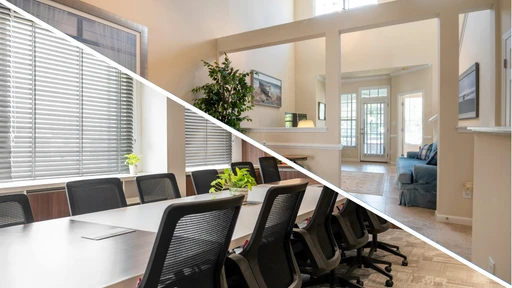
Commercial mold inspection for occupied buildings

Coverage

The commercial properties we cover

Commercial mold inspection scope adapts to building footprint, hours of operation, and the systems moving air and water through the property

Office and professional buildings

Multi-tenant offices, professional suites, and corporate campuses. Inspections scheduled around your operating hours to minimize tenant disruption.

Retail, restaurants, and mixed-use

Storefronts, restaurants, and ground-floor retail with residential above. Moisture sources here often involve HVAC, refrigeration condensation, or kitchen exhaust issues.

Warehouses and light industrial

Larger footprints, roof and envelope exposures, and storage conditions that create unique moisture risks. Reporting structured for facilities and EHS teams.

Hotels, HOAs, and multi-site portfolios

Hospitality properties, HOA-managed communities, and multi-site portfolios get consistent inspection processes across every location, with consolidated reporting.

Proven Trust

365+ operators trust us with their commercial mold inspection

From single-location businesses to regional portfolios, clients pick us for predictable scheduling, 24/7 emergency response, professional inspector conduct on site, and reports that translate findings into clear next steps without pushing remediation services.

Mold inspection Newport Beach FAQ

Call For An Inspection
Balboa Island — nicknamed "The Bathtub" for its low profile — and neighboring Lido Isle are man-made harbor islands ringed by seawalls that are now roughly a century old. During king tides, water can reach or top those walls, and the city routinely deploys pumps, gap boards, and sandbags to hold it back; homes that aren't raised take on water at the ground floor, from below and from the street. Even short-duration flooding saturates flooring, baseboards, and the base of wall assemblies, and mold can begin within 24 to 48 hours. Ground-floor and below-grade spaces on the islands are the priority, especially after a king-tide or storm event that pushed water inside.
The Balboa Peninsula packs older beach cottages and narrow-lot rebuilds along Newport Harbor — the largest recreational boat harbor on the West Coast — where many homes have private docks and bulkheads. Constant salt air, tidal influence, and direct waterline contact press moisture into foundations and framing, and king tides periodically flood the low-lying streets. Bulkheads and dock connections are additional points where water and salt reach the structure, degrading sealants and opening moisture paths. Peninsula homes benefit from an inspection focused on the waterfront-facing foundation and framing, ground-floor assemblies, and the building envelope where salt exposure is heaviest.
Upper Newport Bay is one of Southern California's largest coastal estuaries, and the bluff neighborhoods that ring it — Eastbluff, Dover Shores, and the Back Bay corridor — sit beside open salt marsh and a shallow water table. That wetland edge keeps ambient humidity and ground moisture high, working into slabs, crawl spaces, and the lower levels of homes along the bluffs, particularly during and after significant rainfall. Because the moisture is chronic and comes from the ground and air rather than a single leak, it can support mold without any obvious water event. Homes along the Back Bay benefit from an inspection focused on slab and crawl-space moisture and lower-level humidity.
They can, for reasons specific to how they were built. Newport Coast's gated communities — Crystal Cove, Pelican Hill, Newport Ridge — were master-planned in the 1990s and 2000s as Mediterranean-style villas on the coastal hills. Newer, tightly sealed construction traps interior humidity when ventilation falls short, so moisture from bathrooms, kitchens, and daily living can accumulate in wall cavities and around windows. At the same time, heavy hillside irrigation and slope drainage push water toward the foundations of homes built into the terrain. The result is that even a newer luxury home can develop hidden mold — from trapped indoor humidity, an envelope or window-flashing defect, or slope moisture at the foundation.
Corona del Mar's mid-century homes sit on ocean bluffs with aging wood-frame construction, original plumbing, and few of the moisture barriers used in modern building, while Harbor View Hills adds 1960s and 70s hillside tracts above the bay. Bluff-top salt exposure degrades exterior sealing, original plumbing develops slow behind-wall leaks, and slope drainage moves water toward foundations — so hidden wall and foundation moisture is a recurring find in these homes. The combination of older systems and a demanding coastal-bluff setting is what makes an instrument-based inspection worthwhile here rather than a visual check alone.
Condominium and attached-townhome developments near the bay and along the Pacific Coast Highway corridor represent a distinct risk profile, because shared-wall and shared-ceiling plumbing means a failure in one unit can propagate mold across several. Water from an upstairs or neighboring unit's leak travels through common wall and floor assemblies into adjacent units, causing mold without any failure originating inside the affected home. In these buildings the exterior walls, roofs, and common-area plumbing are typically HOA-maintained, which also affects who is responsible for the repair. An independent inspection documents where the moisture actually originates — key for both remediation and any claim to the HOA or a neighbor.
Newport Beach's topography is unusually varied, so the inspection depends on where the home sits. On Balboa Island or the Peninsula, the focus is ground-floor and below-grade assemblies exposed to king tides and waterline contact; along the Back Bay, slab and crawl-space moisture from the shallow water table; in Newport Coast, trapped indoor humidity and slope drainage at a newer sealed home; and in Corona del Mar or Harbor View Hills, aging wood frame, original plumbing, and bluff-top salt exposure. In a bay or PCH condo, it's the shared-wall plumbing that can carry mold between units. An independent inspection — with no stake in remediation — matches the check to the property and gives a clear moisture picture before closing.

Contact

Book your Newport Beach mold inspection today

Tell us what's going on and we'll respond the same day

Location

24H Mold Inspection of Newport Beach

Service area neighborhoods

  • Balboa Peninsula
  • Lido Isle
  • Corona del Mar
  • Newport Coast
  • Newport Heights
  • Eastbluff
  • Harbor View Hills
  • Back Bay corridor
Call For Service(949) 849-5227