24H Mold Inspection
Lancaster24/7 EMERGENCY(661) 899-7997
HomeOur ServicesMold InspectionResidential Mold Inspection
Mold Inspection

Residential Mold Inspection

Certified mold and moisture inspection for the places you live. Clear answers for your family, your lease, your sale, or your next-door rental.

Overview

Residential mold inspection for the place you live

Mold in a home is rarely just a cosmetic problem. It usually follows a slow leak, poor ventilation, or past water damage that never fully dried, and it affects air quality, allergies, and how the place feels long before any growth becomes visible. Our residential mold inspection is structured around how families really use their homes: kids' bedrooms, primary suites, bathrooms, laundry rooms, basements, attics, and anywhere plumbing runs hidden behind walls. Whether you own the place, you're renting, or you're under contract on a sale, we document what's there clearly, explain the findings in language anyone can follow, and tell you whether sampling or remediation makes sense as a next step. We don't sell the cleanup, so we have no reason to push you toward work you don't need.
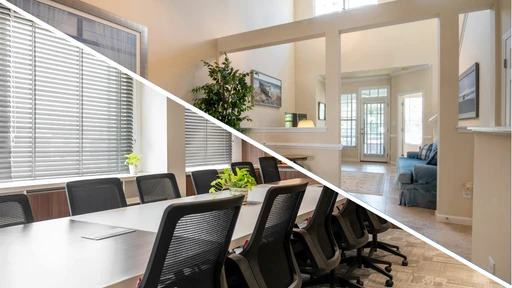
Residential mold inspection for the place you live

Coverage

Every residential mold inspection we handle

One careful process, applied to single-family houses, multi-family buildings, and the rentals in between

Single-family homes and townhomes

From starter homes to long-term family residences, with focus on hidden moisture and the slow leaks that lead to bigger problems.

Condos and co-ops

Shared walls, shared plumbing, and shared HVAC create unique mold risks. Our certified mold inspectors document conditions for owners and HOA boards alike.

Duplexes and small multi-family

Two-unit, three-unit, and small multi-family residential properties get the same careful inspection process as single-family, with separate reporting per unit when needed.

Rental units (tenant or landlord)

Independent residential mold inspection reports protect both tenants and landlords, with documentation that holds up for lease disputes, insurance, and habitability claims.

Proven Trust

365+ homes trust us with their mold inspection

Homeowners, buyers, and property managers come back to us for fast scheduling, clean documentation, and reports they can hand to contractors, insurers, or a real estate team. No conflict of interest, because we inspect and test, never remediate.

Mold inspection Lancaster FAQ

Call For An Inspection
An inspection first, because attic mold in Lancaster almost always has a specific cause, and cleanup without fixing it doesn't last. High-desert attics are extreme environments: well past 140 degrees on summer afternoons and below freezing on winter nights. The common moisture sources we find are bathroom and kitchen fans venting into the attic instead of outdoors, an evaporative cooler leaking at its roof curb, condensation forming on ductwork and the underside of the roof deck during cold nights, and roof leaks where high-desert wind events lifted shingles or tiles. Each leaves a different pattern — growth spread across a whole slope suggests ventilation and condensation, while growth clustered around one penetration suggests a leak. The inspector checks sheathing, rafters, insulation, and ducts with a moisture meter and thermal camera, and samples where needed. The report tells you what actually needs to be removed and what has to be fixed so it doesn't come back.
Yes, and in the Antelope Valley it is one of the most common causes we see in older homes. Evaporative coolers work well in Lancaster's dry heat because they add water to the air — which is exactly why they cause problems when something goes wrong. A cooler run during monsoon humidity in July and August, or with the house closed up so the moist air can't exhaust, raises indoor humidity to levels where mold grows on closet walls and inside ducts. The unit itself fails in predictable ways: a corroded pan or float valve leaking onto the roof, a cracked curb seal around the duct opening letting water into the attic, and stagnant water and pads left over winter. Many homes that later added central air kept the cooler duct, which then sweats in summer and admits rain in winter. Staining around the ceiling register below the cooler is the sign to look for, and the attic at that opening is where to start.
They can, and many people moving up from the LA basin don't expect it. Winter nights in the Antelope Valley regularly drop below freezing, and occasional cold snaps bring hard freezes and even snow. Supply lines in exterior walls, attics, garages, and unheated crawl spaces can freeze and split — and the leak often doesn't show until the line thaws, sometimes days later, behind drywall. Irrigation lines and hose bibs that freeze can crack where they penetrate the wall and leak inside. Homes left vacant or unheated during a cold spell are the most exposed, because no one is there to notice the water. Once a wall cavity is wet, mold can start within 24 to 48 hours even in cold weather, and the dry desert air does not reach inside the wall to dry it. After any burst pipe, a moisture map of the surrounding walls and floor shows how far the water traveled before it was stopped.
If water reached the house, yes. Lancaster sits on the flat floor of the Antelope Valley, where summer monsoon thunderstorms can drop heavy rain in an hour and the water has very little slope to run off. Streets, low lots, and properties near Amargosa Creek take the worst of it — the town flooded repeatedly in the 1910s when Amargosa and Littlerock creeks overflowed, with 1914 the most severe. Today the water that matters is the water that reaches the foundation: pooling against stucco and slab edges, running under garage and patio doors, and wicking into the bottom of drywall and the wood sill plate. Because the storms are brief and the air dries quickly afterward, it is easy to assume everything dried. The wall bottoms and the slab under carpet or laminate don't. A moisture assessment within a few days of the storm shows whether water got in and whether it actually dried.
It can contribute. The USGS has documented long-term land subsidence across the Antelope Valley, caused by compaction of fine-grained aquifer sediments as groundwater was pumped, along with fissures and cracks in the land surface; near Edwards, water levels have dropped some 90 feet since substantial development began in the late 1950s. Ground movement of that kind, along with ordinary settlement and the valley's expansive clay soils, stresses slabs and foundations. The cracks that result give water a path from the soil into the house — under flooring, into the bottom of walls, and around plumbing that passes through the slab — and can strain buried supply and drain lines. Not every crack is a mold problem, but a crack combined with a musty smell, lifting floor tile, or efflorescence at the slab edge is worth investigating. A moisture survey of the slab and the walls around the crack tells you whether water is actually coming through.
Lancaster's older neighborhoods grew with the military and aerospace work in the valley — the base 32 miles north that became Edwards Air Force Base after World War II drew workers and their families, and housing followed through the postwar decades. Those homes are now 60 to 70 years old. They are mostly single-story stucco houses on slabs, many with roof-mounted evaporative coolers, gas wall furnaces or early forced air, and copper or galvanized supply lines. The recurring moisture sources are slab leaks, cast-iron drains cracking beneath bathrooms, coolers leaking at the roof curb, and roofs that have been re-covered over earlier layers. Garage conversions on unsealed slabs are common too. The first signs are usually small — a musty closet, a warm spot on the floor, swelling at a baseboard — and a moisture survey around the plumbing walls, the cooler opening, and the slab perimeter covers the places these homes usually fail.
Yes. Lancaster was hit hard by the foreclosure wave: in December 2010 alone, about one in every 91 homes in the city received a foreclosure filing, and many houses sat empty for months or years. Vacant homes still turn up on the market, and they share a pattern. With no one living there, a slow leak under a sink, a cooler left running, a pipe that split during a winter freeze, or a roof leak during a monsoon storm can run unnoticed for a long time. Utilities shut off means no air movement and no heat, and the house is often cleaned and painted before listing, which can cover staining without fixing the cause. A mold inspection before closing checks the plumbing walls, the slab, the attic, and the HVAC for active and past moisture, and samples the air if the house has been sealed up. Schedule it inside your contingency window so the results can still affect the deal.

Contact

Book your Lancaster mold inspection today

Tell us what's going on and we'll respond the same day

Location

24H Mold Inspection of Lancaster

Hours

  • MondayOpen 24 hours
  • TuesdayOpen 24 hours
  • WednesdayOpen 24 hours
  • ThursdayOpen 24 hours
  • Friday6 AM – 6 PM
  • SaturdayClosed
  • SundayOpen 24 hours

Service area neighborhoods

  • Quartz Hill vicinity
  • West Lancaster
  • East Lancaster
  • Antelope Valley College area
  • Fox Field area
  • Antelope Acres area
  • Downtown Lancaster
  • Avenue K corridor
Call For Service(661) 899-7997