24H Mold Inspection
Lakeside24/7 EMERGENCY(619) 752-6822
HomeOur ServicesMold InspectionMoisture Detection
Mold Inspection

Moisture Detection

Find the hidden water inside walls, floors, and ceilings before it turns into mold, structural damage, or a far bigger repair bill.

Overview

Why hidden moisture is the real mold problem

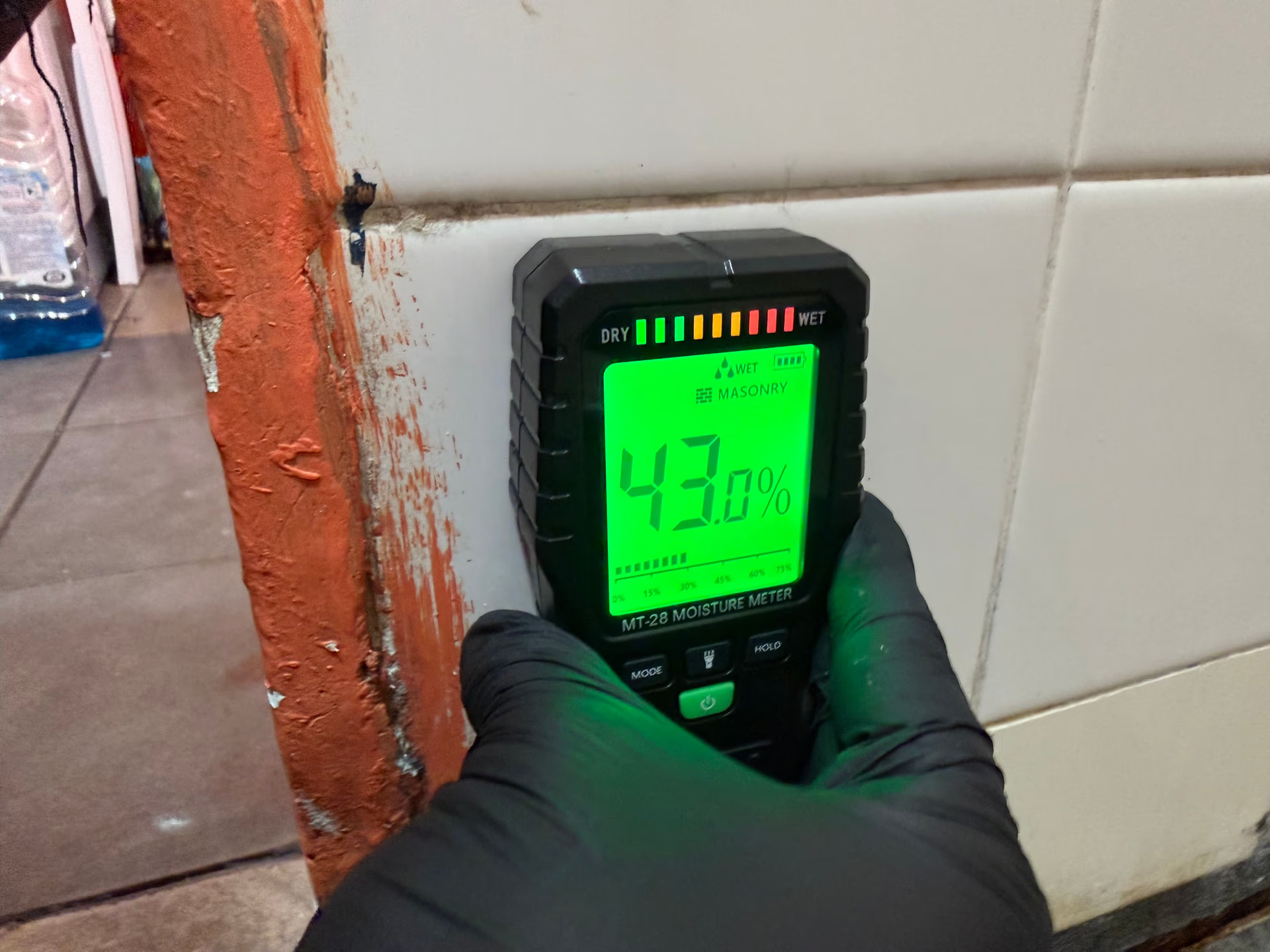
Hidden moisture rarely shows up until it's already a problem. Water gets behind walls, soaks into subflooring, and sits in ceilings while everything looks fine. Once it's been there long enough, you get mold, weakened framing, and a repair bill in the thousands.

Moisture detection identifies:

  • —Hidden leaks from plumbing, roofs, and foundations
  • —Saturated drywall, flooring, and insulation
  • —Areas at risk for mold or mildew growth
  • —Humidity buildup and condensation sources
Why hidden moisture is the real mold problem
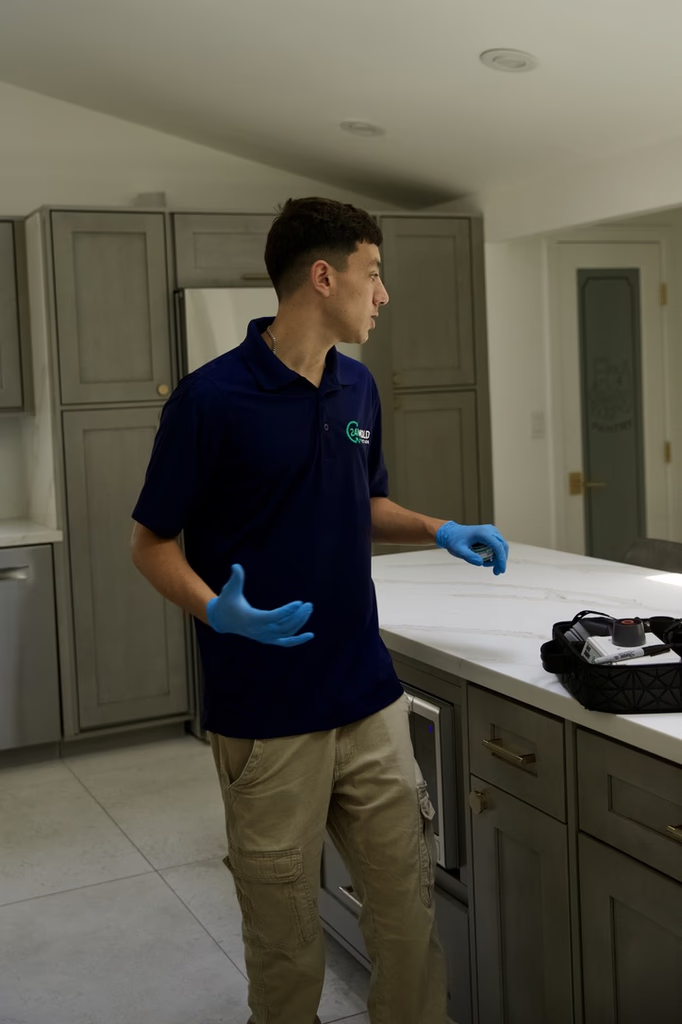
Mold inspector at work

Benefits

What you get from moisture detection

Catch water damage before it leads to expensive repairs or mold growth

  • —Non-invasive: No walls opened, no cutting required.
  • —Early leak detection: Find hidden leaks before damage gets worse.
  • —Health protection: Reduce risks from mold and damp exposure.
  • —Smarter repairs: Targets work to the exact problem area.

About

How a moisture detection visit runs

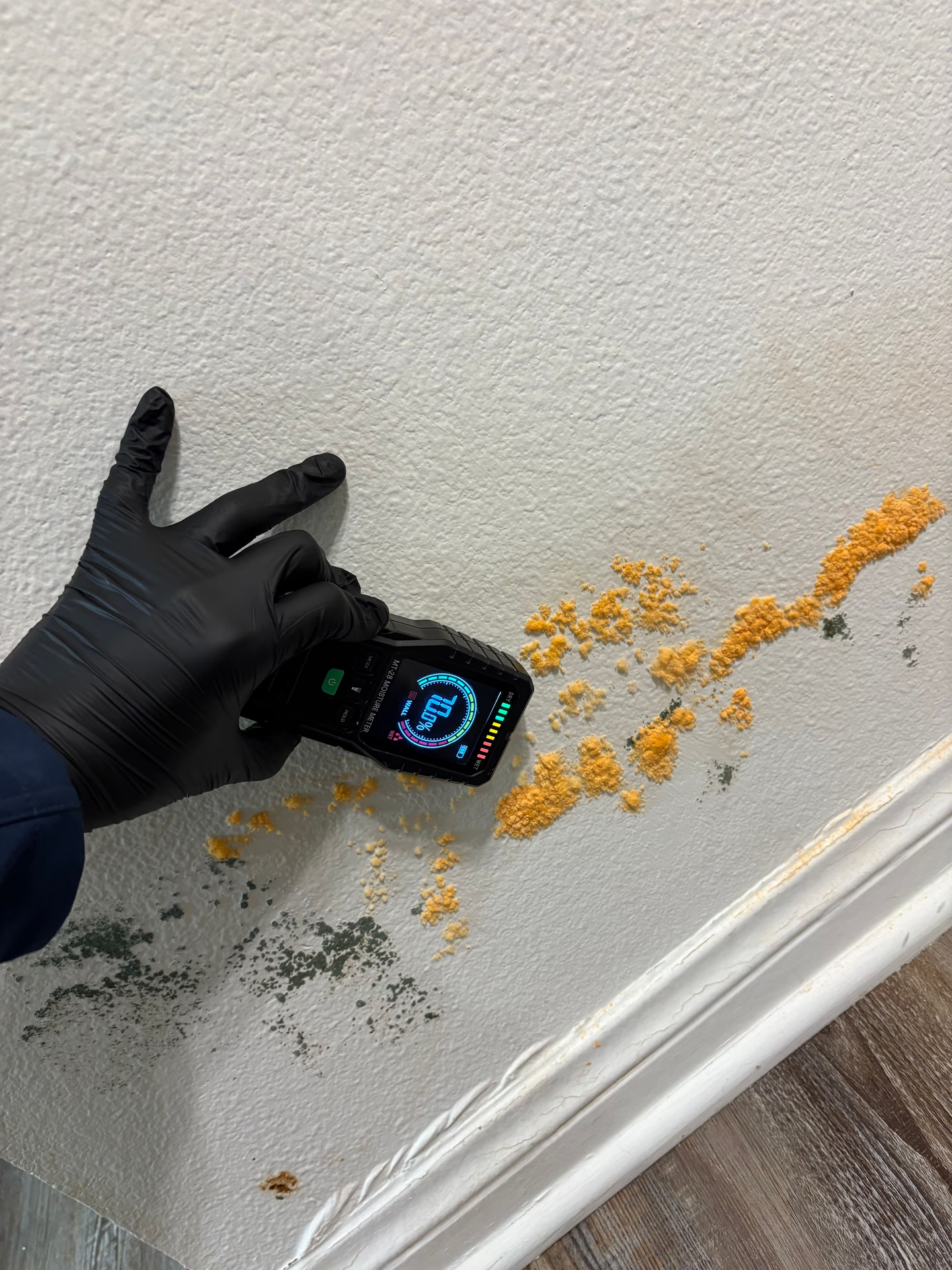
Our certified mold inspectors use high-precision moisture meters and detection tools to measure water content inside building materials. The instruments find trapped water without any cutting or drilling, even when the surface looks dry.

Our process includes:

  • —Surface moisture scanning across the property
  • —Deeper probe readings in high-risk areas like bathrooms and basements
  • —Cross-checking with thermal imaging when warranted
  • —A written mold inspection report with detailed moisture readings
How a moisture detection visit runs

Mold inspection Lakeside FAQ

Call For An Inspection
Eucalyptus Hills' custom homes on hillside lots carry moisture risks that the valley floor properties don't share. Slope runoff and subsurface water on hillside lots concentrate at downslope foundation faces, particularly after San Diego County's increasingly intense winter rain events. Retaining walls and subdrains on lots developed 30 to 50 years ago are aging — when those systems fail, hillside moisture that was being managed redirects toward foundations invisibly. The eucalyptus canopy keeps surfaces shaded and damp, and the dense leaf debris these trees drop packs roof valleys and gutters until water backs up under the shingle course. Custom homes on large lots also tend to have outbuildings and detached structures that accumulate moisture independently of the main residence.
The October 2003 Cedar Fire burned approximately 273,246 acres through San Diego County's backcountry, including the foothill areas east of Lakeside toward El Capitan Reservoir and the Cuyamaca range. Fire-hardened soils in burn areas shed rather than absorb rainfall, routing more post-storm runoff toward foundations and slopes than the pre-fire hydrology suggested — and this effect persists for years after a fire as vegetation recovers and soil structure normalizes. Properties in the canyon and foothill neighborhoods closest to the 2003 burn perimeter have experienced increased foundation and slope moisture in wet winters following the fire. An inspection on these properties should assess slope drainage and foundation moisture in the post-fire watershed context.
In Winter Gardens' 1950s and 1960s housing stock it's a consistent finding, and the mechanism is typically aging infrastructure combined with the San Diego River floodplain location. Original galvanized plumbing corrodes at fittings inside wall cavities and develops slow leaks invisible until surface damage appears. Slab-on-grade foundations from this era have expansion joints and any cracks that have developed over decades, and those become pathways through which ground moisture from the river corridor migrates. The 1993 and 2010 storm events brought significant water into lower-lying Winter Gardens properties — any basement or below-grade space that was flooded and dried rather than fully assessed may harbor dormant mold that activates when humidity rises in subsequent wet seasons.
Some of Lakeside's older housing stock — particularly in the Highway 67 corridor and the Lakeside Farms district — has raised foundations with crawl spaces rather than slab-on-grade construction. In those properties, the crawl space is where moisture accumulates first. San Diego County's wet winters deliver enough ground moisture to saturate soil around older foundations, and original vapor barriers in 1940s and 1950s homes have often deteriorated or were never installed to current standards. Subfloor framing in persistently humid conditions develops surface mold before any visible damage appears in the living space above. For converted agricultural structures in Lakeside Farms, the crawl space and below-grade assessment is particularly important given the soil moisture history of former agricultural land.
Lakeside Farms and Riverview Farms properties that have been converted from agricultural to residential use carry moisture histories in their structures that standard residential construction doesn't share. Former barn floors and agricultural building foundations were designed for the drainage patterns of agricultural use — wide concrete aprons, open drainage channels, soil compacted for heavy equipment — not for the enclosed, climate-controlled conditions of residential occupancy. Original irrigation infrastructure beneath residential foundations affects soil moisture conditions in ways that residential drainage design doesn't account for. Converted outbuildings and agricultural structures used as living space often lack the vapor barriers, insulation, and mechanical ventilation that residential code requires, creating persistent moisture conditions.
Our Lakeside team covers all of Lakeside — Winter Gardens, Eucalyptus Hills, the El Capitan and reservoir area, Lakeside Farms, Riverview Farms, and the Highway 67 corridor — with same-day and next-day appointments and 24/7 emergency response for active water intrusion. San Diego has its own dedicated 24H Mold Inspection page with local coverage for properties within San Diego city limits. El Cajon is also served from the Lakeside team for the communities along the shared border.
Inspection and testing only — we never perform mold removal or remediation. In Lakeside's range of property types — from 1950s Winter Gardens ranch homes to hillside Eucalyptus Hills custom homes to Lakeside Farms agricultural conversions — moisture sources and remediation scopes vary significantly. A company with cleanup work to sell has a financial reason to find more than the instruments confirm. What you receive is the diagnosis: extent of growth, moisture source, lab-confirmed species, and a written scope you can use to get comparable bids from multiple contractors.

Contact

Book your Lakeside mold inspection today

Tell us what's going on and we'll respond the same day

Location

24H Mold Inspection of Lakeside

Hours

  • MondayOpen 24 hours
  • TuesdayOpen 24 hours
  • WednesdayOpen 24 hours
  • ThursdayOpen 24 hours
  • Friday6 AM – 6 PM
  • SaturdayClosed
  • SundayOpen 24 hours

Service area neighborhoods

  • Winter Gardens
  • Eucalyptus Hills
  • Lake Jennings area
  • Riverview Farms
  • Moreno Valley area
  • Lakeside Farms district
  • Riverford Road corridor
  • Highway 67 vicinity
Call For Service(619) 752-6822