24H Mold Inspection
Huntington Beach24/7 EMERGENCY(657) 756-4441
HomeOur ServicesMold Testing
our services

Mold Testing

State-certified testing that spots hidden mold—so you can act early, stay safe, and avoid costly repairs.

About

Why Mold Testing Matters

Mold isn't always visible. It hides in air vents, under floors, and inside walls. The only way to know what you're breathing—or what's spreading—is through lab-grade testing.

  • —Identify mold species and spore levels
  • —Detect hidden growth in "clean" areas
  • —Assess the health risk to occupants
  • —Decide on the right next steps
Why Mold Testing Matters

Methodology

How our mold testing works

The three sampling methods we use, chosen for what your property is showing
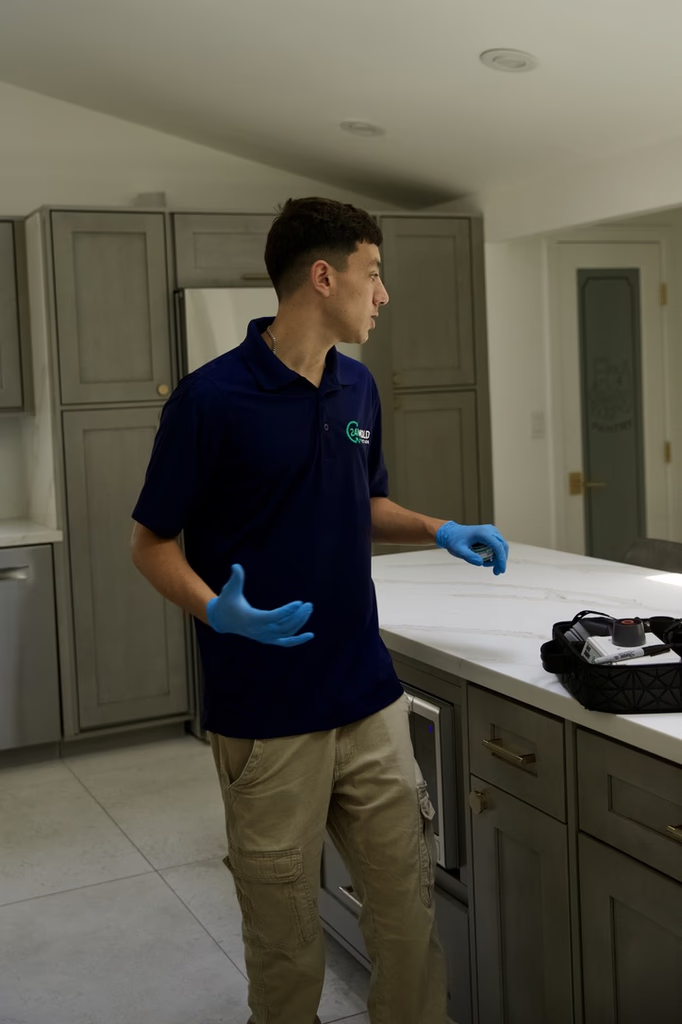
Sterile swabs and clear adhesive tape collect mold from visible spots on dry surfaces, giving the lab a clean sample for species identification. Suitable for walls, ceilings, baseboards, and furniture where the residue is what you're checking.

For damp or recently water-damaged areas, the sampling approach changes. Wet sampling captures live, actively growing colonies that dry methods underrepresent, which matters under flooring, behind tile, and around recent leaks.

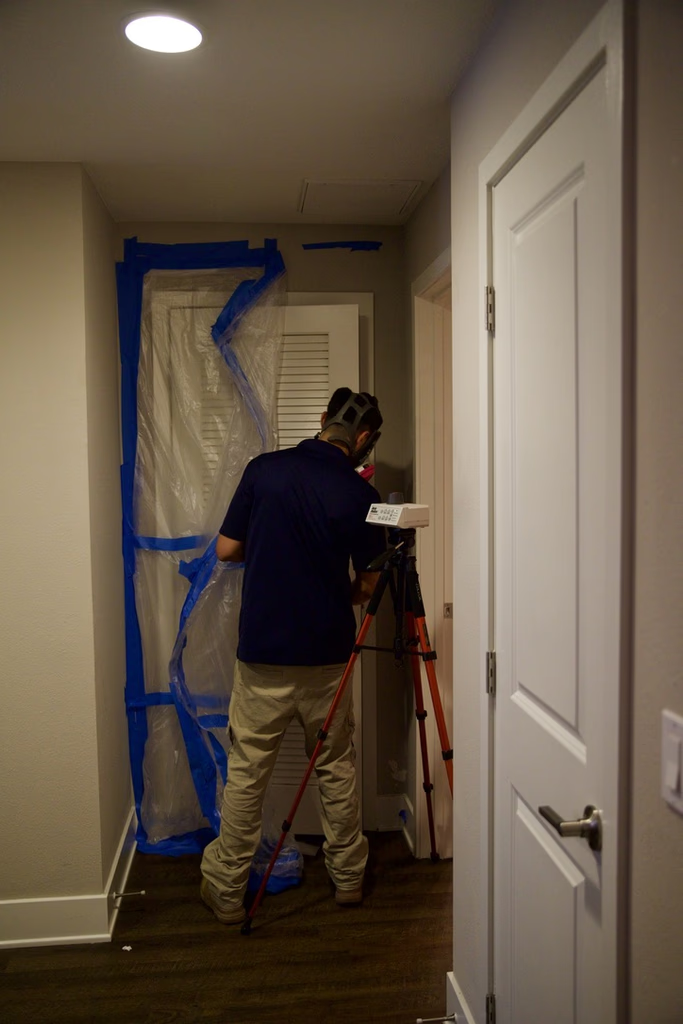
A calibrated pump pulls a controlled volume of air through a spore trap cassette, capturing viable and non-viable spores from the breathing zone. The lab counts species and compares concentrations to outdoor levels, telling you whether your indoor air is healthy.

Mold inspector at work

Checklist

Is Testing Right for You?

Mold testing is ideal if:

  • —You suspect mold but can't see it
  • —You've had water damage
  • —Residents or tenants are reporting health symptoms
  • —You're buying, selling, or managing a property
  • —You need peace of mind after remediation

Still unsure? Let's talk. We'll help you decide which method suits your case best.

Testing Overview

Our Testing Methods

Techniques we use to collect accurate mold samples from air and surfaces.

1Air Testing

Collects airborne mold spores to assess air quality and detect hidden contamination.

2Tape Testing

Lifts mold samples from surfaces using clear adhesive—quick and non-destructive.

3Swab Testing

Gathers samples from damp or textured areas to identify active mold growth.

Mold inspection Huntington Beach FAQ

Call For An Inspection
Huntington Harbour's canal properties combine direct waterfront adjacency with construction that is now 50 to 60 years old. Tidal fluctuation keeps steady moisture pressure on seawalls, pilings, and the wood framing closest to the water. Salt air degrades exterior sealing on all elevations simultaneously — window frames, stucco joints, and deck connections develop gaps over years of Pacific weather cycling that let water migrate into wall assemblies. First-generation seawall and dock infrastructure from the 1960s and 1970s is at or past its design life, and failures in those systems affect adjacent residential foundations. Pre-purchase inspections on Harbour properties should specifically assess the waterfront elevation, dock connections, and any below-grade space.
For properties on the Huntington Beach Mesa and in the Holly-Seacliff development where oil field infrastructure exists beneath residential neighborhoods, the ground history is relevant context. Active and abandoned oil wells affect soil chemistry and drainage patterns in their immediate vicinity, and the Mesa's oil field history means some properties sit above soil conditions that differ from purely residential land. Holly-Seacliff was built on former Signal Oil property that required environmental remediation before development — the drainage systems designed around that remediated land carry a moisture management context distinct from the surrounding neighborhoods. The inspection documents the moisture condition in the current structure; soil and environmental conditions belong to a licensed environmental consultant.
Properties adjacent to the Bolsa Chica Ecological Reserve sit alongside one of Southern California's largest remaining coastal wetlands, where tidal flows and wetland humidity create a persistent moisture environment unlike any inland neighborhood. The restoration of Bolsa Chica's tidal channels has raised water levels in adjacent areas, and properties on the inland edge of the reserve experience a higher water table than they did before restoration. Sunset Beach's original beach cottages from the 1930s and 1940s were built on fill above the original tidal marsh — these properties sit on made ground where the water table is shallow and salt air works at exterior sealing from all directions. Pre-purchase inspections in these neighborhoods should specifically assess crawl spaces and any below-grade space for ground moisture conditions.
In the original beach cottages near Downtown and in the older blocks of Sunset Beach, it's one of the most consistent findings. These properties were built for seasonal use with minimal insulation, original single-pane windows, and ventilation designed for summer air exchange — not for the full-time occupancy and heated winter use that defines their current condition. Full-time occupation combined with direct ocean adjacency and the marine layer that sits over the coastline through summer mornings drives condensation inside wall assemblies that were never designed to manage it. Properties with rental history carry the additional complication of high-occupancy humidity across multiple tenancy cycles.
Post-remediation verification is an independent inspection confirming that a remediation contractor's work succeeded — the affected area was cleared, the moisture source was controlled, and spore counts are back within normal range. In Huntington Beach's coastal environment, it carries particular weight because the marine humidity means a remediation that didn't fully address the moisture source will regrow within a season. Because 24H Mold Inspection never performs remediation, the verification has no stake in the contractor's work passing — we report what we find. It's also what insurers and buyers increasingly require before closing on a property with disclosed mold history in Huntington Beach's active real estate market.
Our Huntington Beach team covers all of Huntington Beach — Downtown, Huntington Harbour, Bolsa Chica, the Mesa neighborhoods, SeaCliff, Holly-Seacliff, Sunset Beach, and the Goldenwest corridor — with same-day and next-day appointments and 24/7 emergency response. Several neighboring cities have their own dedicated 24H Mold Inspection pages: Newport Beach, Fountain Valley, and Westminster each have separate coverage with their own local teams. If your property is in one of those cities, that page will have the most relevant local information.
Inspection and testing only — we never perform mold removal or remediation. In Huntington Beach's coastal environment, where moisture sources range from tidal seawall failures to former oil field drainage to aging beach cottage construction, the remediation scope can be significant and varies substantially by property type. A company with cleanup work to sell has a financial reason to find more than the instruments confirm. What you receive is the diagnosis: extent of growth, moisture source, lab-confirmed species, and a written scope you can use to get comparable bids from multiple contractors.

Contact

Book your Huntington Beach mold inspection today

Tell us what's going on and we'll respond the same day

Location

24H Mold Inspection of Huntington Beach

Hours

  • MondayOpen 24 hours
  • TuesdayOpen 24 hours
  • WednesdayOpen 24 hours
  • ThursdayOpen 24 hours
  • Friday6 AM – 6 PM
  • SaturdayClosed
  • SundayOpen 24 hours

Service area neighborhoods

  • Downtown Huntington Beach
  • Huntington Harbour
  • Bolsa Chica
  • Huntington Beach Mesa
  • SeaCliff
  • Holly-Seacliff
  • Sunset Beach
  • Goldenwest corridor
Call For Service(657) 756-4441