24H Mold Inspection
Corona24/7 EMERGENCY(951) 951-1966
HomeOur ServicesMold TestingSwab Testing
Mold Testing

Swab Testing

Mold swab testing handles the textured, damp, and irregular surfaces where mold often grows without any visible sign.

Overview

Why mold swab testing matters

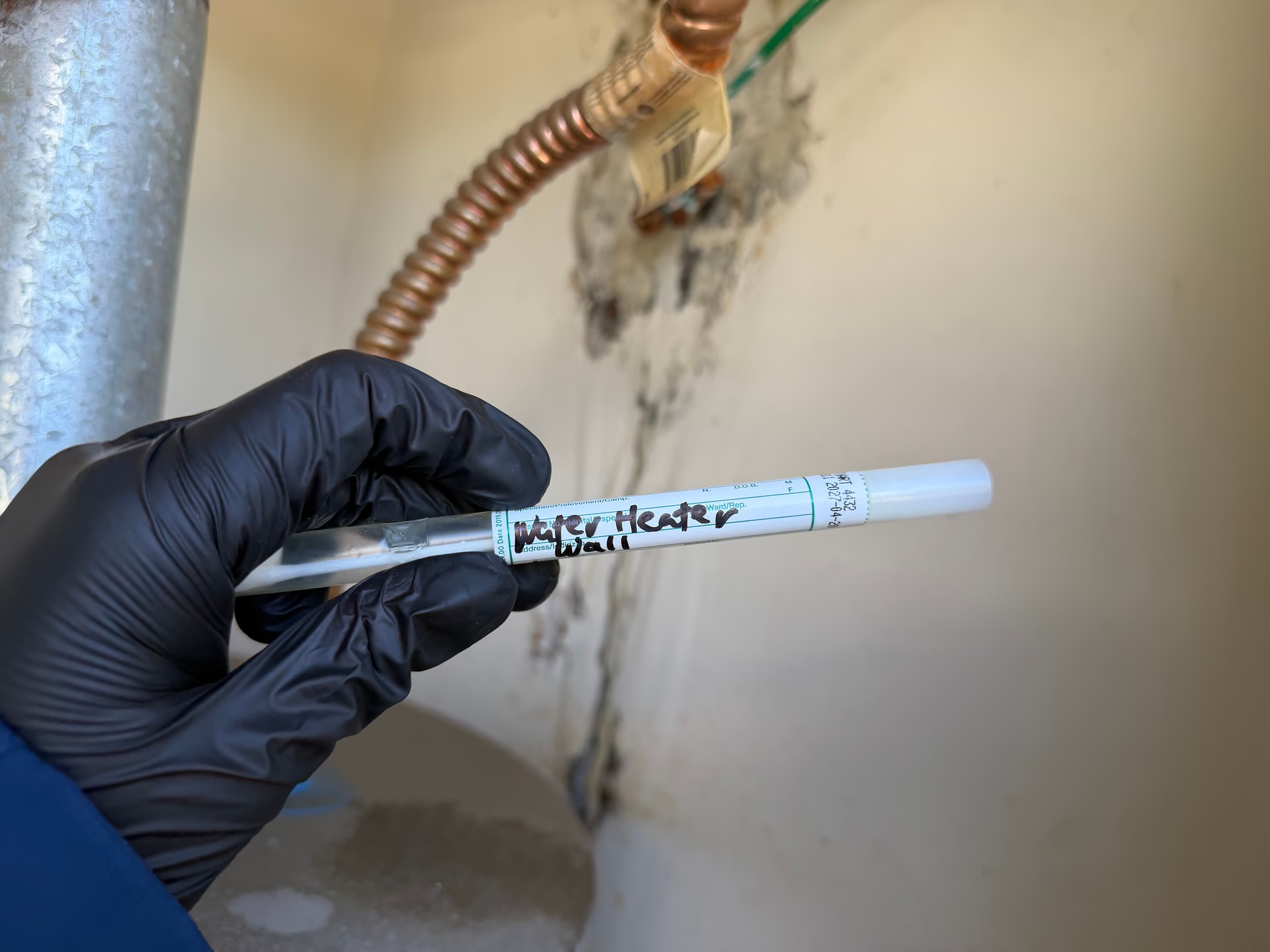
Mold grows in damp areas without always showing on the surface. Swab testing detects microbial growth on materials that are soft, porous, or moisture-prone, and is the right approach after water damage or in spaces that resist visual inspection.

Mold swab testing detects:

  • Hidden mold on porous or textured materials
  • Growth in damp spots like under sinks or around HVAC
  • Contamination on organic materials including wood and fabric
  • Mold that visual inspection alone tends to miss
Why mold swab testing matters
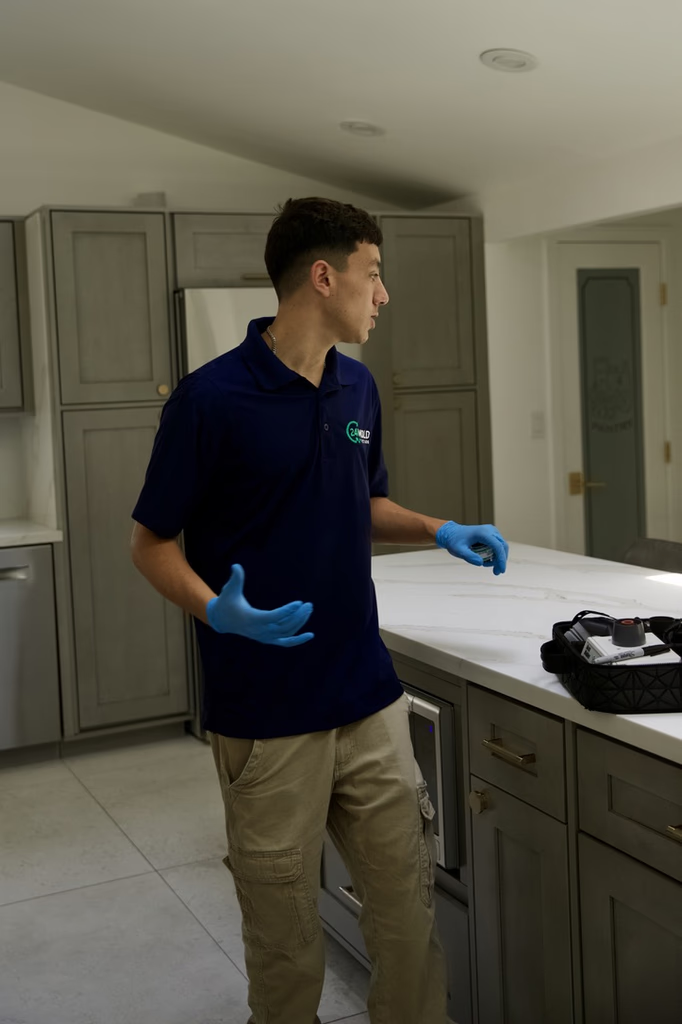
Mold inspector at work

Benefits

What you get from swab testing

A flexible method for hard-to-sample surfaces

  • Moisture-ready: Designed for damp and water-damaged materials.
  • Flexible: Handles uneven, porous, and irregular surfaces.
  • Confirmatory: Validates mold presence in hidden or subtle areas.
  • Lab-backed: Lab-verified results with species identification.

About

How mold swab testing works

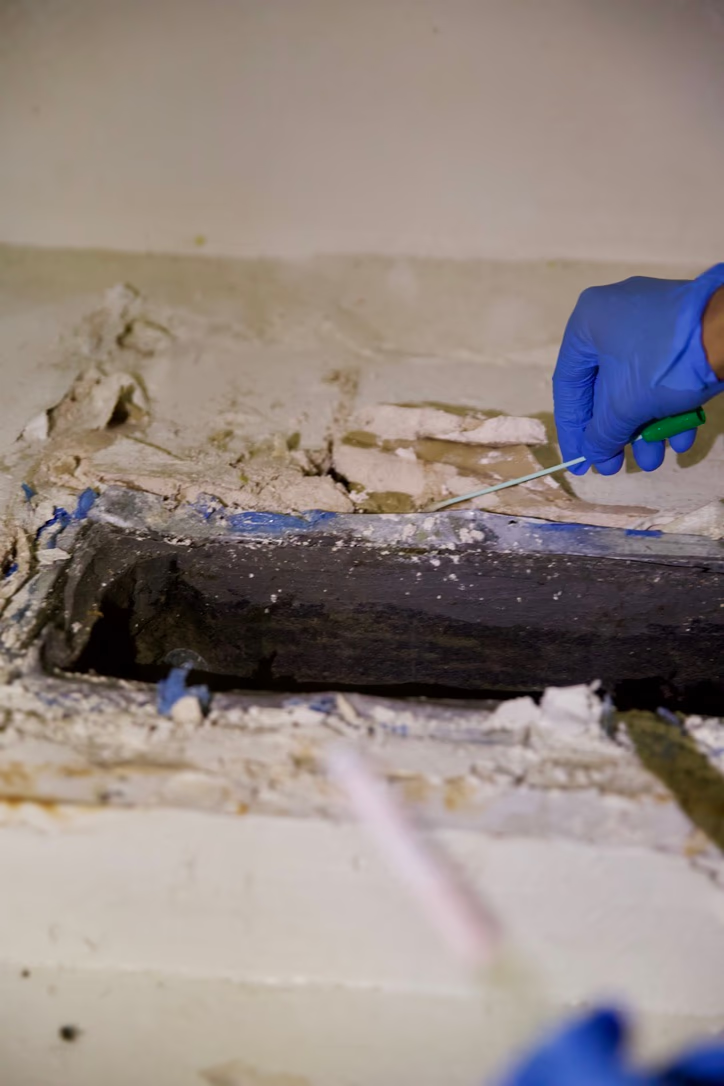
Our certified mold inspectors gently rub a sterile swab across the suspect area to collect a sample, then seal it and send it to a state-certified lab for mold species identification and contamination level.

Our process includes:

  • Sterile collection from textured surfaces and porous materials
  • Coverage of damp surfaces and hard-to-reach spots
  • Lab work returning spore counts and lab-verified results
  • A mold inspection report with clear next steps
How mold swab testing works

Mold inspection Corona FAQ

Call For An Inspection
Same-day and next-day appointments are usually available across our Corona service area, with 24/7 emergency response for active leaks, recent water damage, or urgent real estate timelines. Standard scheduling runs 1 to 3 business days depending on availability.
Our certified mold inspectors assess bathrooms, kitchens, laundry rooms, basements, attics, crawl spaces, HVAC components, and any area showing signs of past or current water issues. Thermal imaging and moisture meters identify hidden moisture behind walls and under floors.
The master-planned communities of South Corona, Chase Ranch, and Eagle Glen share a construction era — roughly 1990 to 2010 — that is associated with a specific and well-documented set of mold-related building deficiencies. HVAC systems installed in homes of this era were sized under energy codes that prioritized cooling capacity over moisture management, leading to systems that frequently short-cycle in mild weather and fail to adequately dehumidify indoor air. Builder-grade vapor barriers used in slab-on-grade construction during this period have aged unevenly and in some cases have been found to underperform their design specifications. Stucco exterior finishes, the dominant cladding in this era of Southern California construction, are highly sensitive to improper installation of control joints and flashing details — deficiencies that were common in the fast-paced construction environment of the 1990s growth boom and that allow chronic moisture intrusion behind the stucco at cracks and penetrations.
Pricing varies based on the size of the property, the scope of testing required, and whether any lab work is included. Most residential mold inspections in Corona fall within the standard industry range of $300 to $600, with a clear quote provided before any work begins.

Contact

Book your Corona mold inspection today

Tell us what's going on and we'll respond the same day

Location

24H Mold Inspection of Corona

Service area neighborhoods

  • South Corona
  • Eagle Glen
  • Sycamore Creek
  • Dos Lagos area
  • Historic downtown Corona
  • Chase Ranch
  • Temescal Valley
  • Foothill area
Call For Service(951) 951-1966