
24H Mold Inspection
Bellevue24/7 EMERGENCY(425) 962-8361
HomeOur ServicesMold InspectionResidential Mold Inspection
Mold Inspection

Residential Mold Inspection

Certified mold and moisture inspection for the places you live. Clear answers for your family, your lease, your sale, or your next-door rental.

Overview

Residential mold inspection for the place you live

Mold in a home is rarely just a cosmetic problem. It usually follows a slow leak, poor ventilation, or past water damage that never fully dried, and it affects air quality, allergies, and how the place feels long before any growth becomes visible. Our residential mold inspection is structured around how families really use their homes: kids' bedrooms, primary suites, bathrooms, laundry rooms, basements, attics, and anywhere plumbing runs hidden behind walls. Whether you own the place, you're renting, or you're under contract on a sale, we document what's there clearly, explain the findings in language anyone can follow, and tell you whether sampling or remediation makes sense as a next step. We don't sell the cleanup, so we have no reason to push you toward work you don't need.
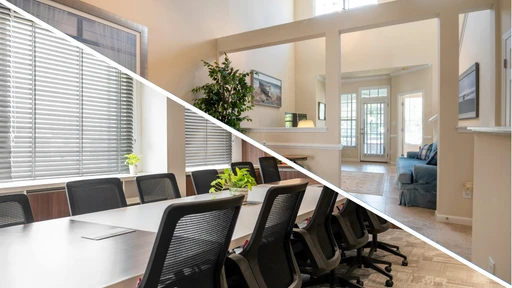
Residential mold inspection for the place you live

Coverage

Every residential mold inspection we handle

One careful process, applied to single-family houses, multi-family buildings, and the rentals in between

Single-family homes and townhomes

From starter homes to long-term family residences, with focus on hidden moisture and the slow leaks that lead to bigger problems.

Condos and co-ops

Shared walls, shared plumbing, and shared HVAC create unique mold risks. Our certified mold inspectors document conditions for owners and HOA boards alike.

Duplexes and small multi-family

Two-unit, three-unit, and small multi-family residential properties get the same careful inspection process as single-family, with separate reporting per unit when needed.

Rental units (tenant or landlord)

Independent residential mold inspection reports protect both tenants and landlords, with documentation that holds up for lease disputes, insurance, and habitability claims.

Proven Trust

365+ homes trust us with their mold inspection

Homeowners, buyers, and property managers come back to us for fast scheduling, clean documentation, and reports they can hand to contractors, insurers, or a real estate team. No conflict of interest, because we inspect and test, never remediate.

Mold inspection Bellevue FAQ

Call For An Inspection
High-rise construction concentrates moisture risk in mechanical systems and building envelope components rather than ground or crawl space conditions. In Downtown Bellevue's condominium towers, the most common sources are cooling tower and HVAC condensate that accumulates inside mechanical penthouses and travels down duct chases, curtain-wall glazing where sealant failures allow water into the wall assembly at any floor, and plumbing risers where a slow joint failure affects units across multiple floors before the source is identified. HOA boards in high-rise buildings face the added complexity of determining whether a moisture problem originated in a common system or inside an individual unit — a question with significant financial implications that only an independent inspection can answer definitively.
This construction era is now old enough that original building systems are at or approaching end of life simultaneously. Original aluminum windows without thermal breaks condense heavily in Bellevue's winter wet season and have directed moisture into wall assemblies for decades. Original HVAC systems develop condensate drain failures and duct leaks that deposit moisture inside wall cavities and above ceiling systems. Original roofing — built-up or early asphalt shingle — has typically been replaced once or twice, and each replacement cycle creates new potential for water entry at transitions, penetrations, and valleys. In Crossroads and Factoria specifically, these are often high-density apartment and townhome buildings where one system failure affects multiple units.
Moisture detection uses thermal imaging cameras and calibrated moisture meters to locate water inside wall and ceiling assemblies without demolition. In Bellevue's hillside neighborhoods — Somerset, Newport Hills, Eastgate — where homes sit on cut-and-fill lots with below-grade levels in contact with hillside drainage, thermal imaging identifies the temperature pattern that wet insulation or framing leaves behind a finished surface. Moisture meters then confirm whether the thermal anomaly represents actual wetness. This combination finds the problem at its origin — behind the drywall, in the subfloor framing — rather than after it's become visible damage. For a daylight-basement home on a Somerset hillside, moisture detection is the tool that distinguishes a foundation drainage problem from a plumbing problem before the remediation contractor is called.
Indirectly, yes. The rapid construction and conversion of commercial space to residential use in Downtown Bellevue and South Bellevue has produced buildings where former parking structures, office floors, and retail spaces now sit beneath residential units. Below-grade parking and commercial-to-residential conversions carry moisture histories in their concrete slabs and mechanical systems that new tenant improvement work covers but doesn't address. The tight building envelopes of newer construction — designed for energy efficiency — also trap interior humidity when ventilation systems underperform or aren't maintained, producing condensation inside wall assemblies in buildings that are only a few years old.
Yes, and the inspection approach differs meaningfully by neighborhood. A Bridle Trails property with outbuildings needs those structures assessed separately — barns and stables develop moisture conditions independent of the main house that a standard home inspection focused on the primary structure won't examine. A Somerset or Newport Hills daylight-basement home needs the below-grade level assessed as a below-grade space, with attention to the retaining walls, foundation drainage, and any history of water intrusion on the downhill wall face. In both neighborhoods, the combination of older construction, hillside hydrology, and the Bellevue real estate market's transaction pace means pre-purchase inspection findings protect you from inheriting a moisture problem that wasn't visible during a standard showing.
Our Bellevue team covers all Bellevue neighborhoods — Downtown, West Bellevue, Somerset, Newport Hills, Crossroads, Factoria, Eastgate, and Bridle Trails — with same-day and next-day appointments and 24/7 emergency response. Several neighboring cities have their own dedicated 24H Mold Inspection pages with local teams: Seattle, Renton, and Everett each have separate coverage with their own local phone numbers. If your property is in one of those cities, that page will have the most relevant local information.
Yes — office buildings in the Downtown core and Spring District, HOA common areas in Bellevue's high-rise and midrise residential buildings, multifamily properties throughout the city, and commercial properties in the Crossroads and Factoria corridors. For HOA boards, the most common request is a common-area moisture assessment following a reported unit problem — documenting whether the source is in shared building systems or within the individual unit. Because 24H Mold Inspection performs no remediation, the findings carry no financial interest in directing the repair to a particular contractor or scope.

Contact

Book your Bellevue mold inspection today

Tell us what's going on and we'll respond the same day

Location

24H Mold Inspection of Bellevue

Hours

  • MondayOpen 24 hours
  • TuesdayOpen 24 hours
  • WednesdayOpen 24 hours
  • ThursdayOpen 24 hours
  • Friday6 AM – 6 PM
  • SaturdayClosed
  • SundayOpen 24 hours

Service area neighborhoods

  • Downtown Bellevue
  • West Bellevue
  • Crossroads
  • Somerset
  • Newport Hills
  • Factoria
  • Eastgate
  • Bridle Trails
Call For Service(425) 962-8361