1
Mold inspection
- Moisture detection
- Infrared technology
- Certified mold inspectors
- No conflict of interest

Certified mold inspection and testing in Royal Oak. Same-day appointments, lab-verified reports, and no financial stake in any remediation work that follows.
(947) 262-2922What We Do
Air and surface samples analyzed in a state-certified lab. You receive mold species ID, spore count data, and lab-verified documentation that holds up with insurers, attorneys, or counsel.
About
At 24H Mold Inspection of Royal Oak, we know no two buildings respond to moisture the same way.
Royal Oak is one of Oakland County's most densely populated and architecturally varied inner-ring suburbs, with a housing stock anchored by Craftsman bungalows, Tudor revivals, and Colonial homes built primarily between the 1920s and 1950s. These homes have been managing Michigan's winters for 70 to 100 years, and the moisture history embedded in their original wood framing, plaster walls, and basement foundations reflects that exposure. Royal Oak's urban density and mature street tree canopy also create shade and drainage conditions that keep soil moisture elevated around foundation perimeters for longer than in more open suburban environments.
Royal Oak's housing stock is dominated by pre-war and mid-century single-family homes — Craftsman bungalows, Tudor revivals, and brick colonials — the majority of which feature full basements and original wood construction. The density of these homes on relatively small urban lots means that drainage between properties is limited, and the mature tree canopy throughout Royal Oak's neighborhoods reduces sun exposure and airflow that would otherwise help dry out foundation areas and exterior surfaces after rainfall.
Services
Mold inspection, mold testing, and environmental risk assessments for Royal Oak properties. Available 24/7, with no remediation work to bias the findings.

Why Us
24H Mold Inspection of Royal Oak combines local field experience with state-certified methods and lab analysis. Reports get back to you quickly and clearly, with no upsell tacked on to the findings.
We don't stop at surface-level findings. Active leaks, health symptoms, post-remediation work, and pre-purchase due diligence each call for a different inspection approach. Our certified mold inspectors guide you through the specific situation rather than running a generic checklist.
Strengths
We check every box, then go further. Book your inspection today
Licensed inspectors with proven field experience in Royal Oak.
FLIR thermal cameras, calibrated moisture meters, and lab-verified sampling.
Straightforward updates and honest reporting throughout the process.
Highly rated by Royal Oak homeowners and businesses.
5 Step Process
Choose a date and time that fits your schedule.
Flexible scheduling means same-day and next-day appointments are usually available, with 24/7 emergency response when the situation needs it.
Our certified mold inspectors assess every mold-prone area.
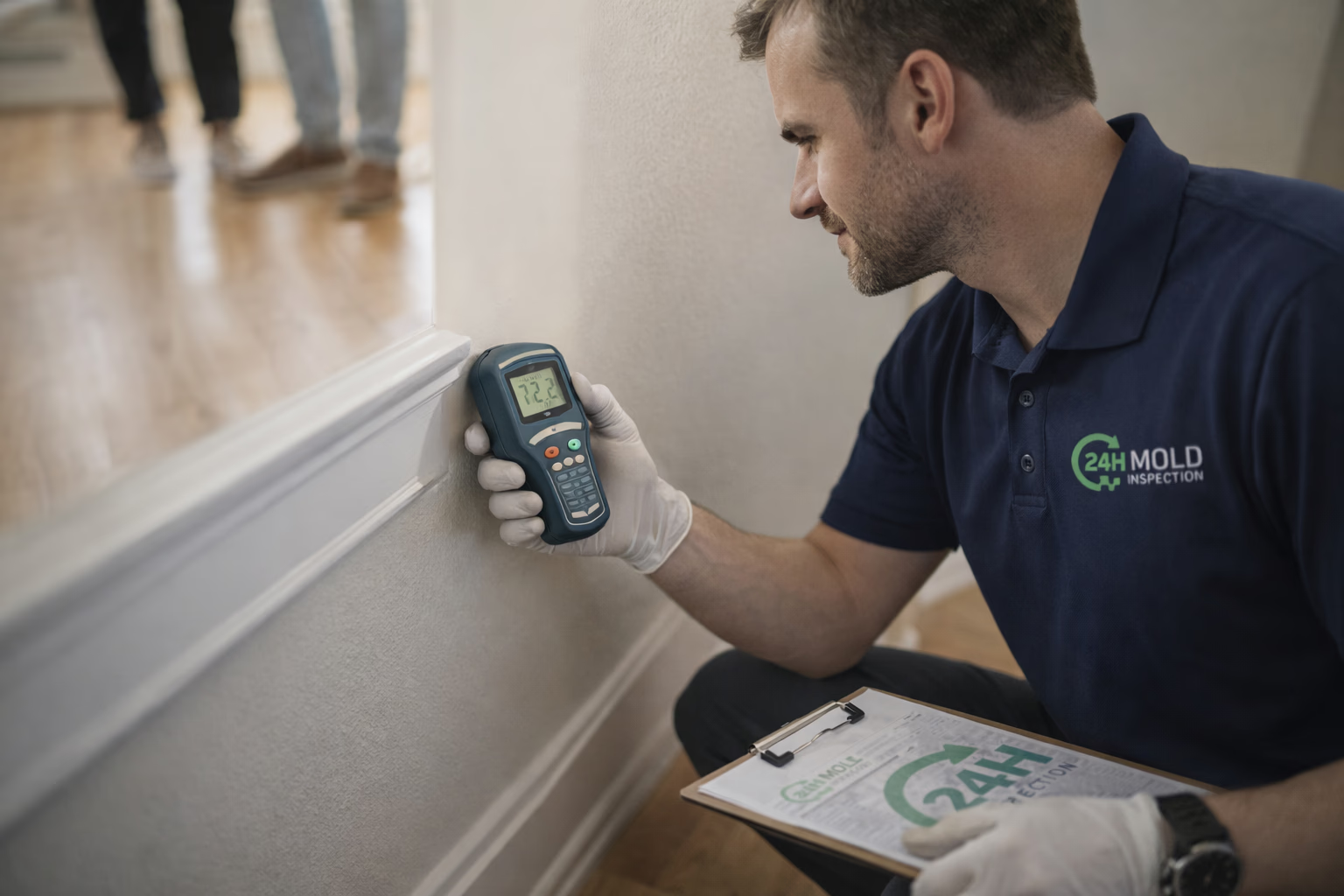
We walk the property identifying visible mold and moisture issues, using thermal imaging and moisture meters to catch what's hidden behind walls and under flooring.
Air and surface samples collected for lab analysis.
Our certified mold inspectors collect targeted samples from key areas to find mold spores both visible and hidden, with sample sites documented on a property map.
Lab testing returns precise results.
Samples go to a state-certified lab for detailed analysis identifying mold species and contamination levels, typically returned within 24 to 72 hours.
Insights and clear next steps from our experts.
You receive a written report with lab results, inspector findings, and specific recommended action steps to resolve any mold issues safely.
Who We Serve
24H Mold Inspection of Royal Oak brings clear answers to HOAs, hotels, commercial buildings, and homes through certified mold inspection and testing services.
Royal Oak's downtown along Main Street and Washington Avenue developed from the 1920s through the 1950s and has been through multiple renovation and conversion cycles as the city transitioned from a regional shopping destination to a dense urban residential and entertainment district. The older masonry commercial buildings in the core — brick construction from the 1920s and 1930s — develop moisture through mortar joint degradation and parapet cap failure that affects the residential units above retail spaces. Converted buildings often have original concrete floors and below-grade spaces whose moisture history predates any residential occupancy by decades.
The blocks radiating outward from downtown carry Royal Oak's original residential stock — Tudor Revival, Colonial, and Craftsman homes built between the 1920s and 1940s for the city's early professional and merchant class. These properties share the aging-infrastructure moisture risks of their era: original or first-generation copper and galvanized plumbing developing slow behind-wall leaks, crawl spaces under raised foundations that have never been brought to modern vapor management standards, and roofing and chimney details that have been through multiple replacement cycles. Original cast-iron radiator systems in the older homes add a second moisture pathway — radiator line failures in basements and walls are a consistent finding in this housing era.
The neighborhoods along Woodward Avenue and the blocks east toward the Berkley and Oak Park borders were developed primarily in the 1940s through 1960s as Royal Oak expanded outward from its original core. This mid-century ranch and Cape Cod housing is now old enough that original systems are aging simultaneously — first-generation aluminum windows condensing heavily in Michigan winters, original slab-on-grade foundations developing moisture at expansion joints and cracks, and HVAC systems at end of life developing condensate issues in attics and mechanical rooms. The Woodward corridor's commercial development adds older masonry buildings at the street edge where retail-to-residential conversion has become common.
North Royal Oak's streets were developed primarily in the 1950s and 1960s with ranch-style homes on flat lots that drain toward the Rouge River watershed. The Rouge River has flooded sections of the surrounding communities multiple times, and while North Royal Oak's lots are generally above flood stage, the watershed's drainage patterns mean that sustained rain events in Michigan's wet springs keep ground moisture elevated in the lower blocks. The postwar construction here is at the age where original plumbing and roofing are transitioning from maintenance items to replacement items, and the first signs of systemic failure appear in crawl spaces and wall cavities before the surface damage is obvious.
The neighborhoods along Royal Oak's borders with Clawson to the north and Berkley to the west carry housing from the same 1940s and 1950s development era that defines both neighboring cities. The border areas share a consistent housing type — modest ranch and bungalow homes on small lots — and a consistent moisture risk profile: original slab-on-grade construction where moisture migrates through the slab at expansion joints and cracks, original plumbing at or past end of life, and attic spaces where original ventilation design assumed roofing materials that have since been replaced. Properties in this area regularly serve buyers from both cities during real estate transactions.
Google Search
Add 24H Mold Inspection as a preferred source so our pages are easier to spot in your Google results.
Contact
Tell us what's going on and we'll respond the same day
Location
24H Mold Inspection of Royal Oak
Phone
(947) 262-2922Hours
Service area neighborhoods
Newsletter
Monthly notes from our inspectors on prevention and air quality.