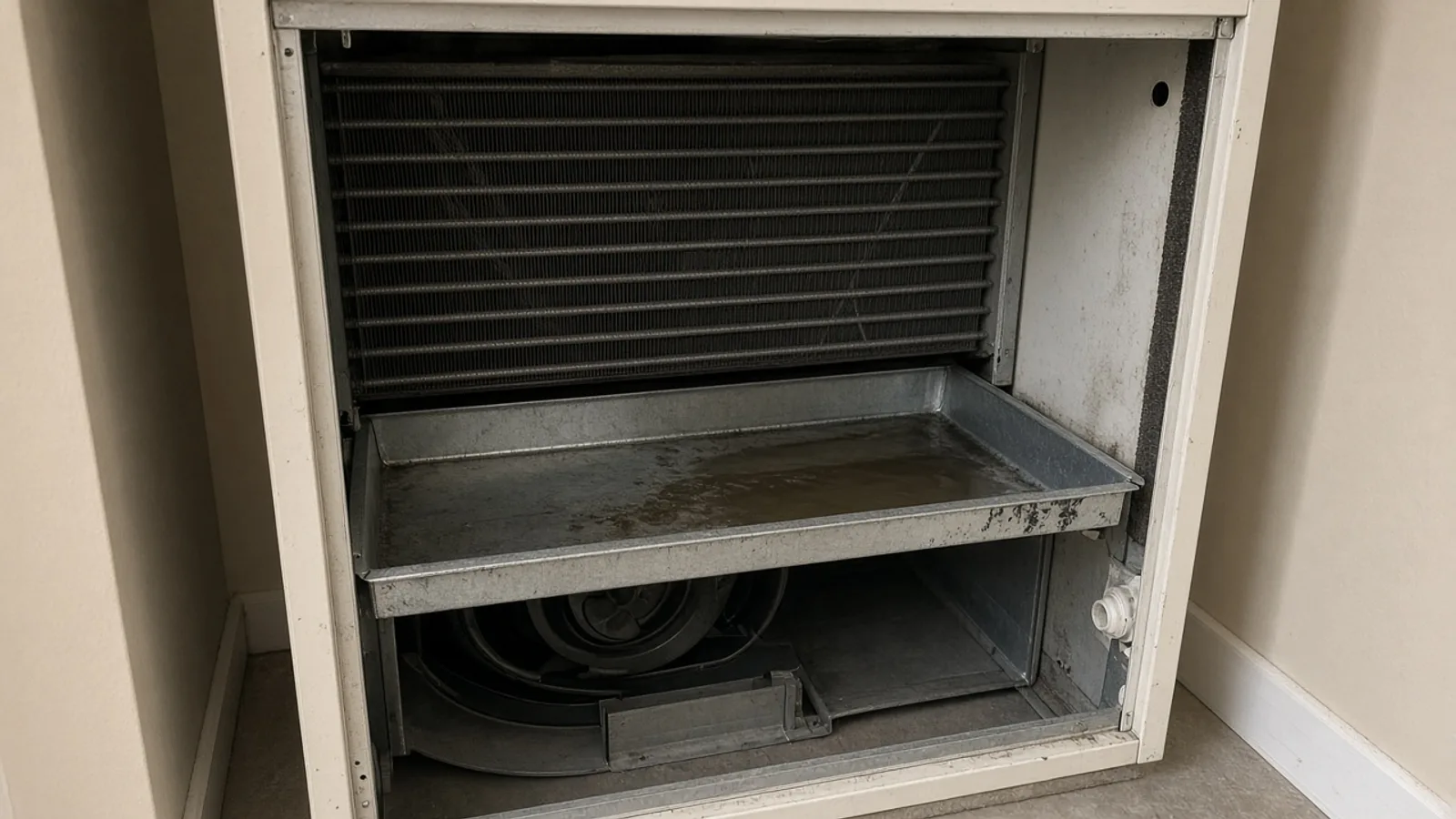
Mold in HVAC Systems: Signs, Causes, and What an Inspection Checks
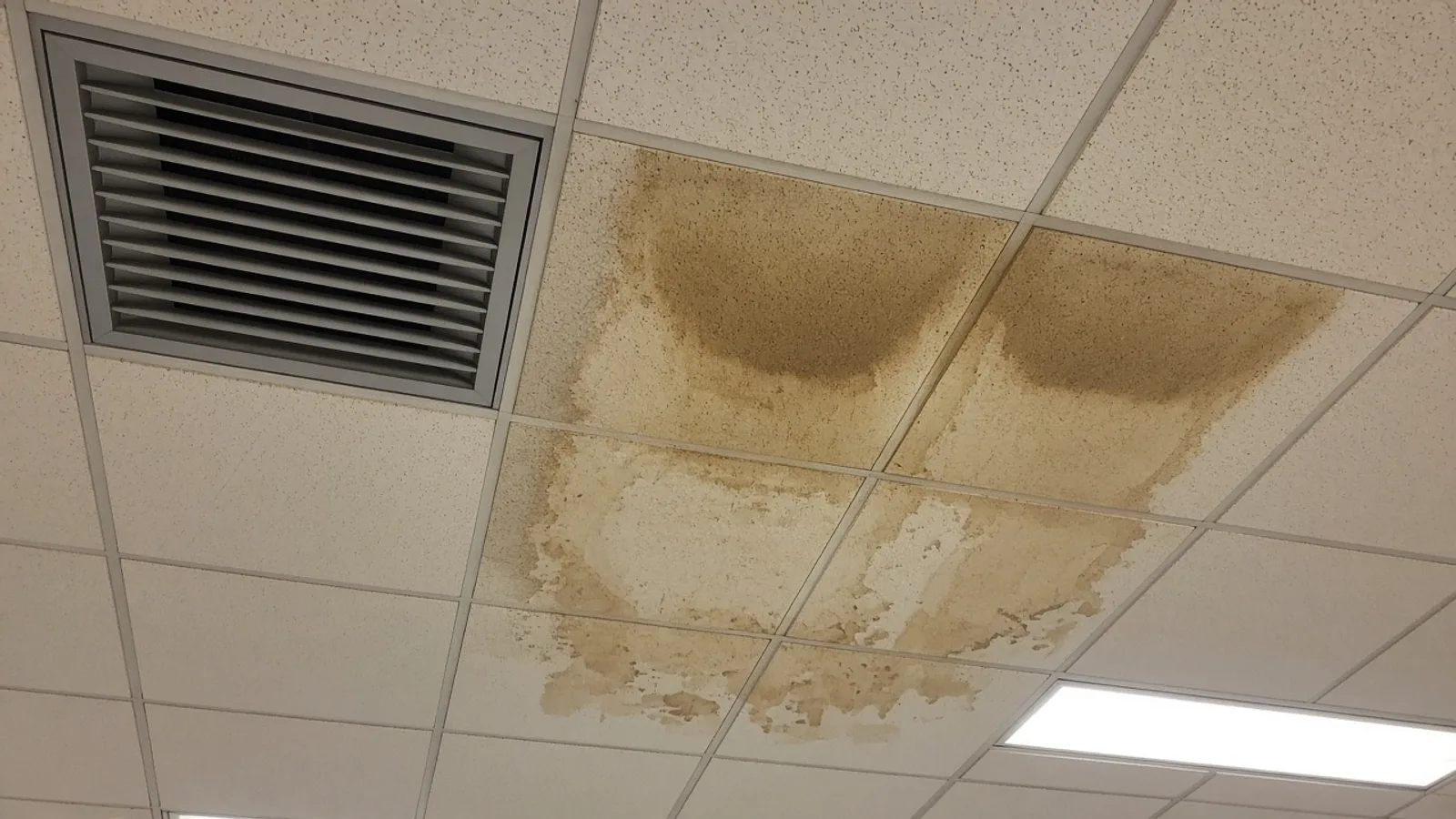
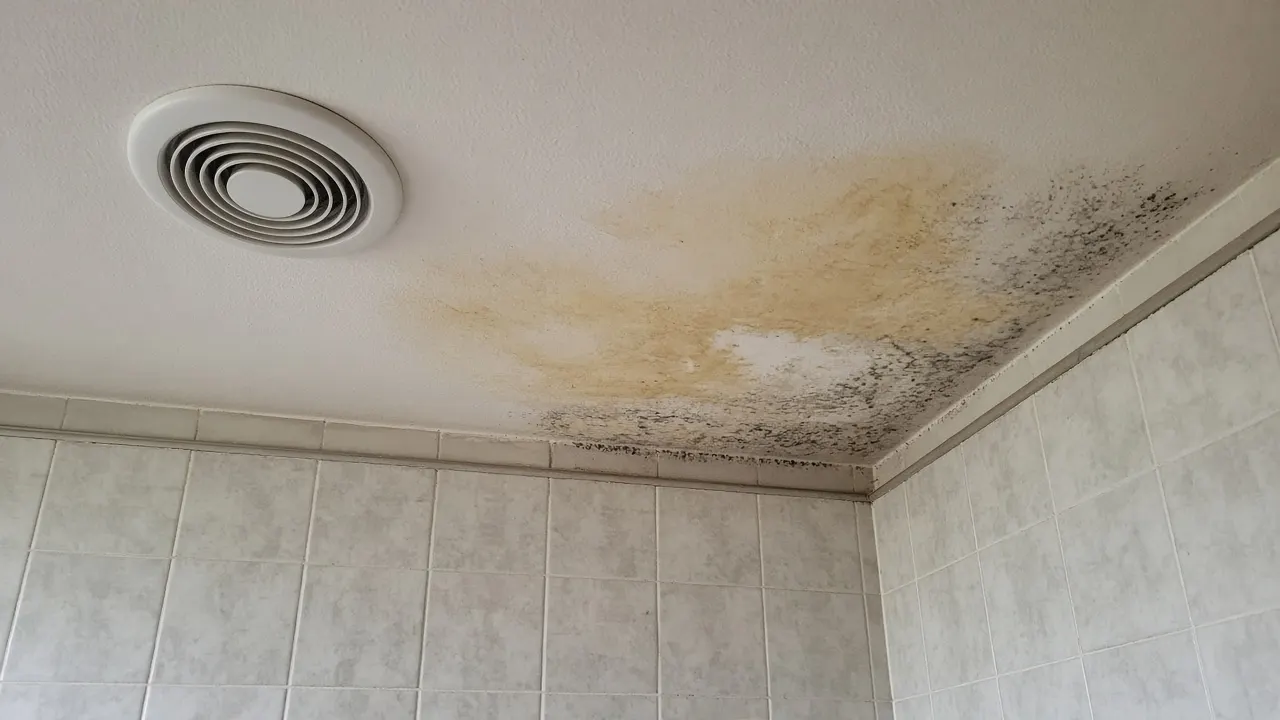
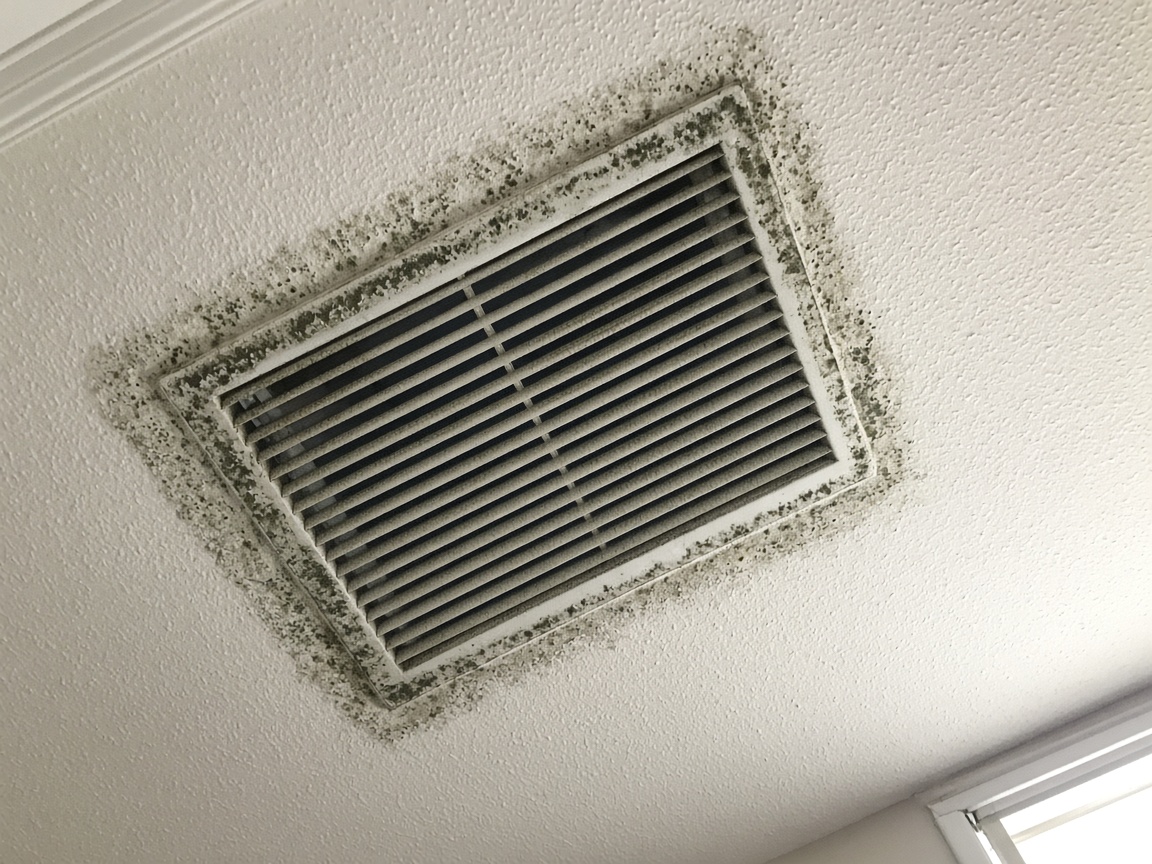
A damp air handler or duct can spread spores through every room it serves. Here's how HVAC mold develops, what signs to watch for, and what an inspection checks.
Practical guides on mold inspection, testing, and prevention from our certified mold inspectors.

A damp air handler or duct can spread spores through every room it serves. Here's how HVAC mold develops, what signs to watch for, and what an inspection checks.

Mold sampling isn't one test. Air, tape, swab, and wall cavity samples answer different questions. Here's what each collects, when each fits, and how an inspector chooses.

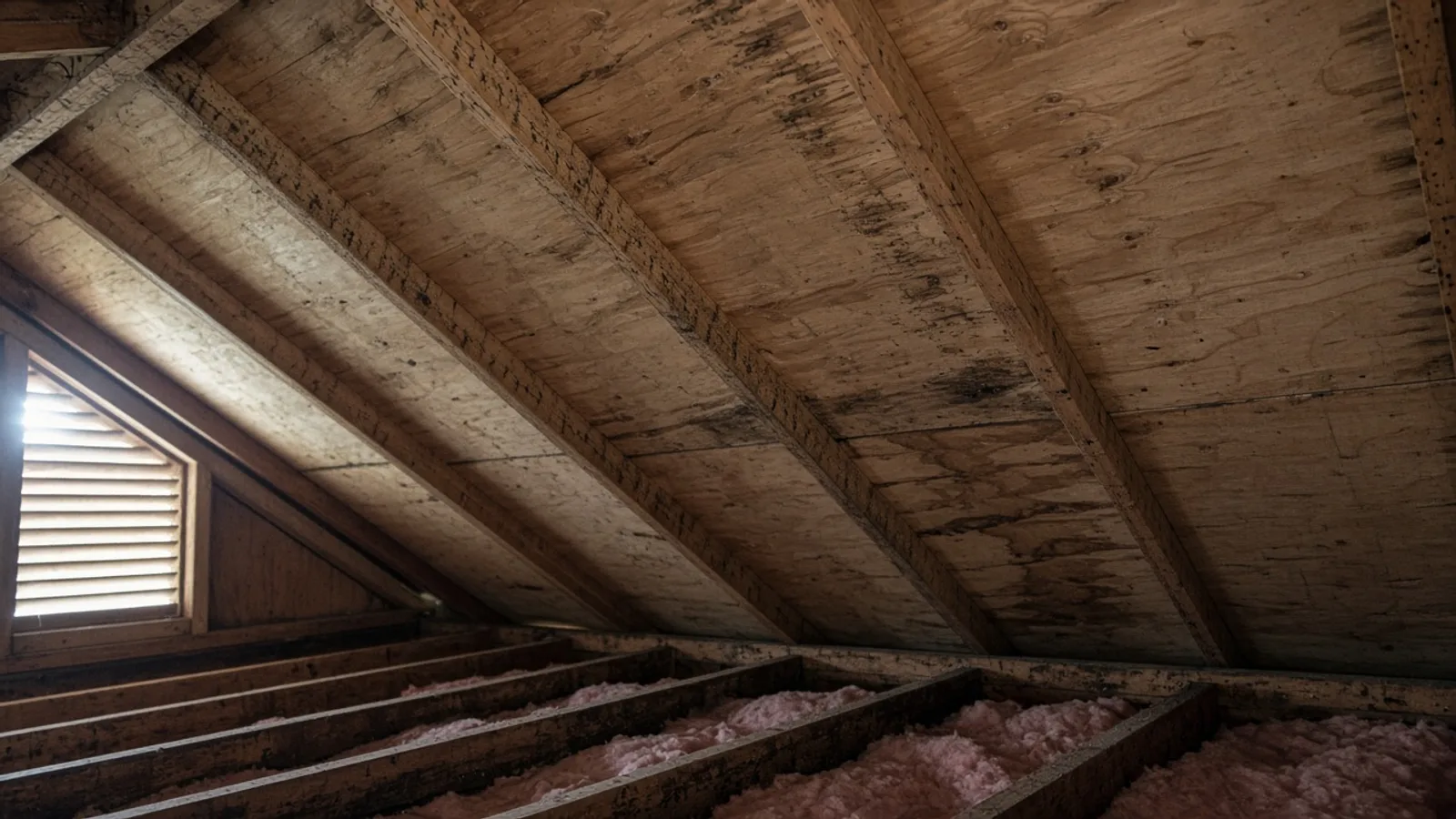
Attic mold usually traces back to ventilation, exhaust ducting, or roof leaks. Here's what causes it, what it looks like, and what an attic inspection covers.

Hidden leaks go unnoticed for months because the water is behind walls, under floors, and above ceilings. Here's how a moisture survey finds them without demolition, and what it can and can't tell you.

Commercial mold inspections differ from residential ones in scale, shared systems, and how the report gets used. Here's what they cover, where moisture hides in commercial buildings, and when to schedule one.

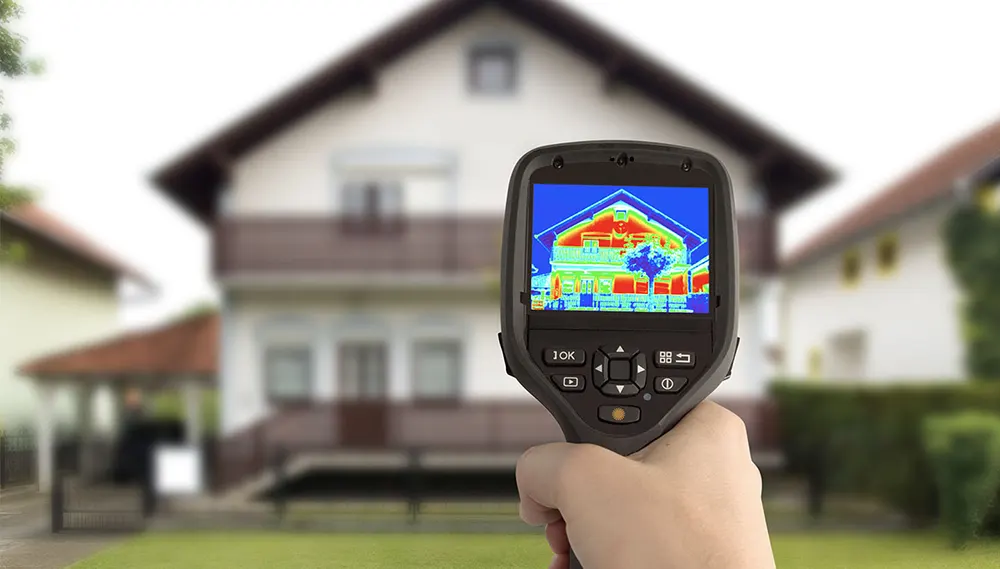
Mold often grows where you can't see it, inside walls, under floors, and above ceilings. Here's what moisture meters and thermal cameras actually detect, what they can't, and why lab sampling still matters.

Winter moisture problems come from warm indoor air meeting cold surfaces, not just from leaks. Here's where condensation forms, which homes are most exposed, and what to check before spring.

Home mold test kits are cheap and easy, but they answer the wrong question. Here's how they work, why a positive or negative result can mislead, and what a professional inspection adds.

MVOCs — microbial volatile organic compounds — are the gases mold produces as it grows. They appear before visible mold, explain the musty smell, and reveal active growth that a spore count can miss. Here's what they are and when to test for them.

Homes that survive a wildfire still face significant mold risk. Here's why fire suppression water, open structures, and burn-scar hydrology create mold conditions that can develop for months after a fire — and what inspection covers.

When mold appears in a condo or HOA community, the question of who pays for remediation depends entirely on where the moisture came from. Here's how to establish that — and why independent inspection is the only documentation that holds up.

California law is specific about mold in rental properties — and most landlords and tenants don't know the details. Here's what the law requires, what documentation matters, and how independent inspection fits into a dispute.

Mold symptoms are frequently misattributed to allergies or colds. Here's what the research actually shows about mold exposure, which species carry the most risk, and when testing the building matters more than seeing a doctor.

Most homeowners don't know the difference between mold inspection and mold remediation — and that gap costs them money. Here's what each involves and why the same company shouldn't do both.

Anyone can call themselves a mold inspector in most states. Here's what certifications actually require, what questions to ask before booking, and the one conflict of interest that disqualifies a company regardless of credentials.

A home inspection and a mold inspection are different assessments. Here's what a pre-purchase mold inspection covers, when to schedule it during escrow, and what the findings mean for your decision.

A mold inspection is not a visual walkthrough. Here's what certified inspectors actually assess in each area of a home, what instruments they use, and what the findings mean.

Post-remediation verification confirms a contractor's mold cleanup actually worked. Here's what the verification covers and why it must come from a company with no stake in the outcome.

Air quality testing for mold measures what you cannot see. Here's how spore trap sampling works, what the results actually mean, and when it's the right test to order.

Black mold is one of the most misunderstood terms in home inspection. Here's what it actually means, why the color doesn't tell you what species you have, and why testing before removal matters.

Mold can establish in 24 to 48 hours after water damage. Here's when to test, what the testing covers, and why restoration drying doesn't guarantee the structure is clean.

Free mold inspections are offered by companies that profit from the remediation that follows. Here's what that conflict of interest means for the scope they find — and the bill you receive.

Crawl space mold is one of the most common and least visible moisture problems in older homes. Here's how inspectors find it and what the findings mean.

Mold spreads fast—repairs and lawsuits cost more.

Catch hidden mold before it affects your health.

What every HOA needs to know about mold risks.

Ignoring mold can even lead to health risks.
.webp)
How to spot hidden dampness and prevent mold.

Learn the early signs of mold in your property.

Inside look at how mold inspections really work.
Contact
Tell us about your mold concerns —we'll handle the rest.
Phone
(888) 818-7359Hours