1
Mold inspection
- Moisture detection
- Infrared technology
- Certified mold inspectors
- No conflict of interest

Certified mold inspection and testing in Whittier. Same-day appointments, lab-verified reports, and no financial stake in any remediation work that follows.
(562) 600-6557What We Do
Air and surface samples analyzed in a state-certified lab. You receive mold species ID, spore count data, and lab-verified documentation that holds up with insurers, attorneys, or counsel.
About
At 24H Mold Inspection of Whittier, we know no two buildings respond to moisture the same way.
Whittier combines historic neighborhoods, hillside communities, established suburban development, and a substantial inventory of older residential and commercial buildings. The city’s history dates back well over a century, creating one of the more architecturally diverse building stocks in Los Angeles County. Many homes were built before modern moisture-control standards existed and have since undergone multiple renovations, repairs, and additions. This layering of construction eras can create concealed moisture pathways that are difficult to identify without specialized inspection. Hillside neighborhoods near the Whittier Hills face additional drainage considerations, while older central neighborhoods often contend with aging plumbing systems and deferred maintenance. The result is a moisture environment heavily influenced by building age, infrastructure condition, and property-specific maintenance history rather than broad regional climate patterns.
Whittier contains historic residences, hillside homes, post-war suburban neighborhoods, apartment communities, mixed-use commercial properties, and custom estates. Aging infrastructure and varied construction eras create highly diverse moisture conditions across the city.
Services
Mold inspection, mold testing, and environmental risk assessments for Whittier properties. Available 24/7, with no remediation work to bias the findings.

Why Us
24H Mold Inspection of Whittier combines local field experience with state-certified methods and lab analysis. Reports get back to you quickly and clearly, with no upsell tacked on to the findings.
We don't stop at surface-level findings. Active leaks, health symptoms, post-remediation work, and pre-purchase due diligence each call for a different inspection approach. Our certified mold inspectors guide you through the specific situation rather than running a generic checklist.
Strengths
We check every box, then go further. Book your inspection today
Licensed inspectors with proven field experience in Whittier.
FLIR thermal cameras, calibrated moisture meters, and lab-verified sampling.
Straightforward updates and honest reporting throughout the process.
Highly rated by Whittier homeowners and businesses.
5 Step Process
Choose a date and time that fits your schedule.
Flexible scheduling means same-day and next-day appointments are usually available, with 24/7 emergency response when the situation needs it.
Our certified mold inspectors assess every mold-prone area.
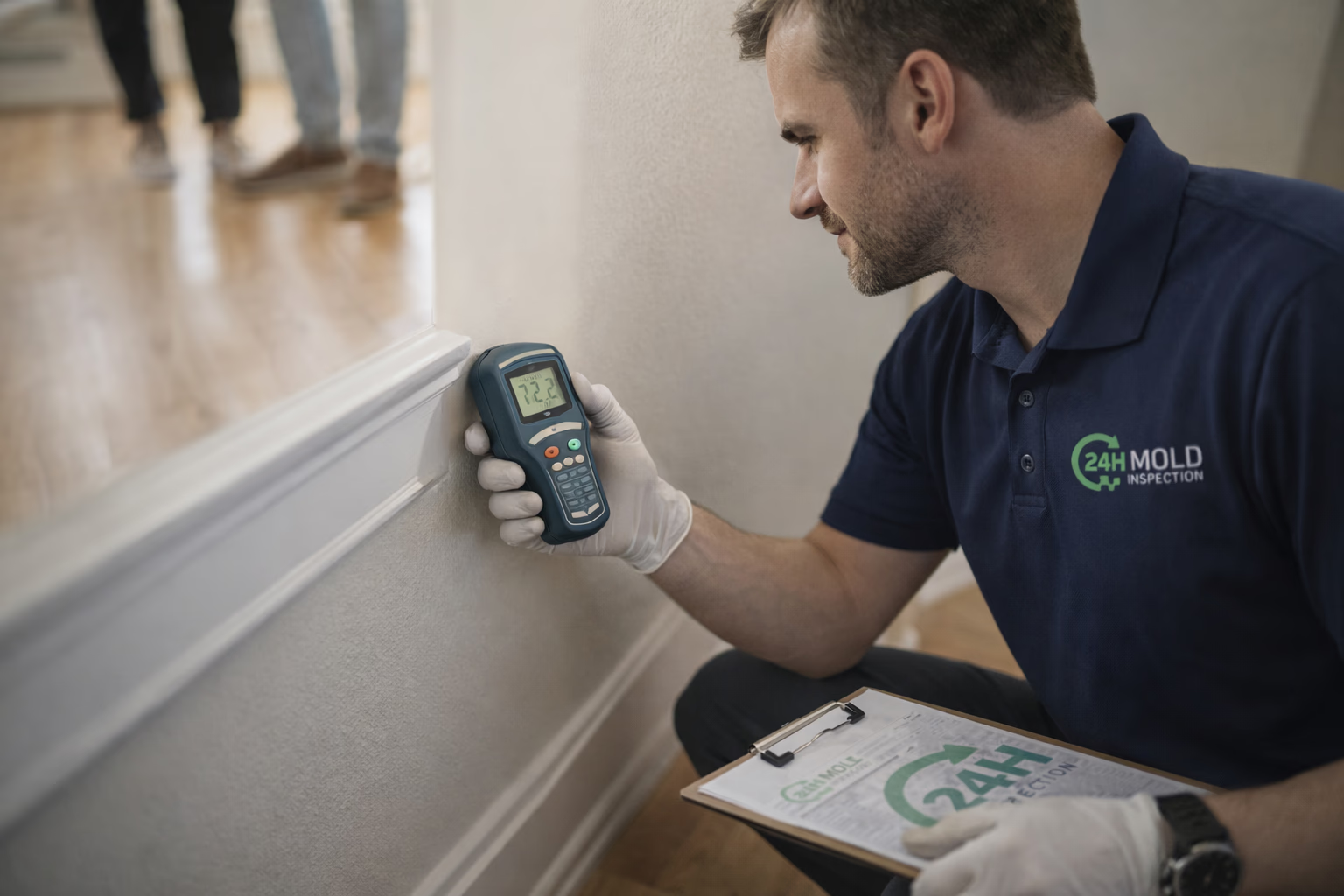
We walk the property identifying visible mold and moisture issues, using thermal imaging and moisture meters to catch what's hidden behind walls and under flooring.
Air and surface samples collected for lab analysis.
Our certified mold inspectors collect targeted samples from key areas to find mold spores both visible and hidden, with sample sites documented on a property map.
Lab testing returns precise results.
Samples go to a state-certified lab for detailed analysis identifying mold species and contamination levels, typically returned within 24 to 72 hours.
Insights and clear next steps from our experts.
You receive a written report with lab results, inspector findings, and specific recommended action steps to resolve any mold issues safely.
Who We Serve
24H Mold Inspection of Whittier brings clear answers to HOAs, hotels, commercial buildings, and homes through certified mold inspection and testing services.
Whittier was founded in 1887 by Quaker settlers and its original residential blocks around Greenleaf Avenue and Philadelphia Street carry Victorian, Craftsman, and California Bungalow homes from the 1890s through the 1920s — some of the oldest intact housing stock in the San Gabriel Valley. Richard Nixon was born here in 1913, and the neighborhood around his birthplace on Yorba Linda Boulevard reflects the housing era. These properties carry the full aging-infrastructure moisture risk of their era: original or early-replacement galvanized plumbing, foundation walls without waterproofing membranes, and chimney and roofing details that have been through multiple replacement cycles.
The Whittier Hills and Friendly Hills neighborhoods occupy the Puente Hills on Whittier's eastern edge, with custom and semi-custom homes on hillside lots that slope toward the San Gabriel Valley below. The 1987 Whittier Narrows earthquake measured 5.9 and caused significant damage to older masonry construction throughout the area — foundation cracks and chimney damage from that event have been admitting water in properties that were never fully assessed. Hillside lots here direct slope runoff toward downslope foundations, and the Puente Hills' decomposed granite soil creates fast lateral drainage that concentrates moisture at downhill foundation faces rather than dispersing it.
East Whittier was developed primarily in the 1950s and 1960s with ranch and Colonial homes on flat Los Angeles County lots that sit above the Whittier Narrows flood control basin. The Rio Hondo and San Gabriel River channels bound this area, and the flood control infrastructure built after the 1938 Los Angeles flood defines the drainage patterns for the surrounding residential development. The postwar housing here is now 60 to 70 years old, and original systems are aging simultaneously — galvanized plumbing at end of life, slab-on-grade foundations developing moisture migration, and HVAC systems developing condensate issues.
The College Hills neighborhood surrounds Whittier College, founded in 1887, and its housing reflects the full range of construction eras from the college's founding to the present — Victorian faculty housing, 1920s bungalows, postwar tract homes, and more recent infill. The college campus's mature tree canopy extends into the surrounding residential blocks, keeping surfaces shaded and damp and directing leaf debris into gutters and roof valleys. Student rental housing in this neighborhood carries high occupancy loads on construction that was designed for single-family use.
The Painter Avenue corridor carries Whittier's mid-century commercial development alongside older residential neighborhoods, with 1950s and 1960s retail buildings and mixed-use properties that have been through multiple tenancy cycles. Older masonry commercial buildings in this corridor develop moisture through mortar joint degradation and parapet cap failure that affects residential or office spaces above. The corridor's flat topography collects runoff from the surrounding neighborhoods, and inadequate commercial property drainage is a consistent moisture source in this area.
Contact
Tell us what's going on and we'll respond the same day
Location
24H Mold Inspection of Whittier
Phone
(562) 600-6557Service area neighborhoods
Newsletter
Monthly notes from our inspectors on prevention and air quality.