24H Mold Inspection
Toluca Lake24/7 EMERGENCY(818) 855-7064
HomeOur ServicesMold InspectionMoisture Detection
Mold Inspection

Moisture Detection

Find the hidden water inside walls, floors, and ceilings before it turns into mold, structural damage, or a far bigger repair bill.

Overview

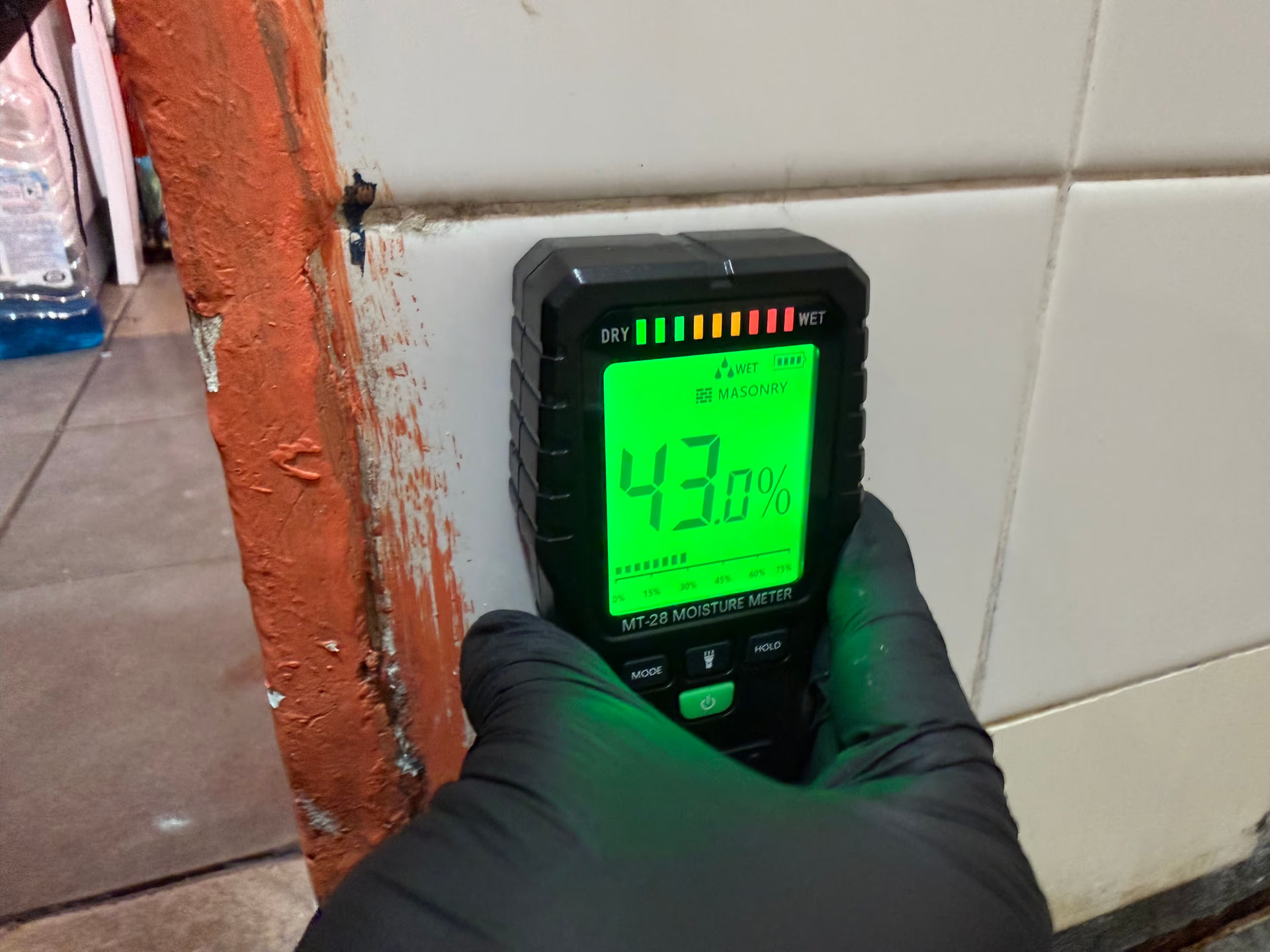
Why hidden moisture is the real mold problem

Hidden moisture rarely shows up until it's already a problem. Water gets behind walls, soaks into subflooring, and sits in ceilings while everything looks fine. Once it's been there long enough, you get mold, weakened framing, and a repair bill in the thousands.

Moisture detection identifies:

  • Hidden leaks from plumbing, roofs, and foundations
  • Saturated drywall, flooring, and insulation
  • Areas at risk for mold or mildew growth
  • Humidity buildup and condensation sources
Why hidden moisture is the real mold problem
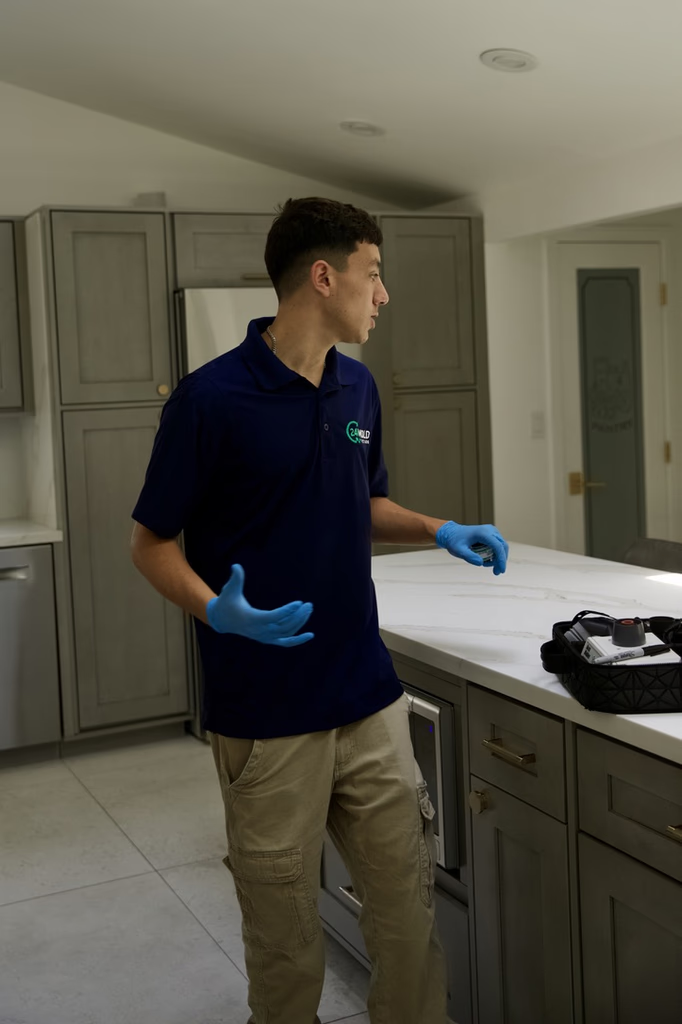
Mold inspector at work

Benefits

What you get from moisture detection

Catch water damage before it leads to expensive repairs or mold growth

  • Non-invasive: No walls opened, no cutting required.
  • Early leak detection: Find hidden leaks before damage gets worse.
  • Health protection: Reduce risks from mold and damp exposure.
  • Smarter repairs: Targets work to the exact problem area.

About

How a moisture detection visit runs

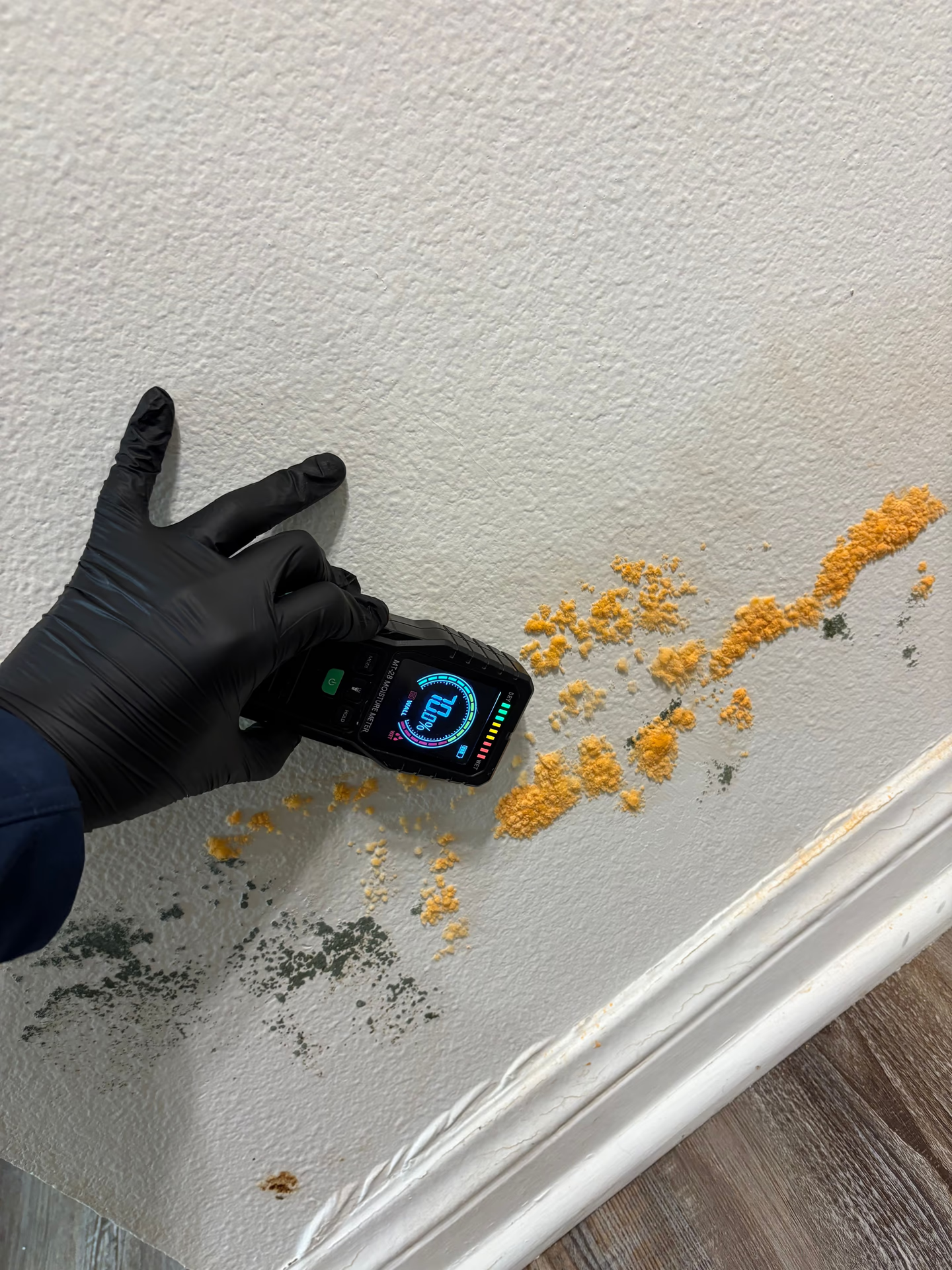
Our certified mold inspectors use high-precision moisture meters and detection tools to measure water content inside building materials. The instruments find trapped water without any cutting or drilling, even when the surface looks dry.

Our process includes:

  • Surface moisture scanning across the property
  • Deeper probe readings in high-risk areas like bathrooms and basements
  • Cross-checking with thermal imaging when warranted
  • A written mold inspection report with detailed moisture readings
How a moisture detection visit runs

Mold inspection Toluca Lake FAQ

Call For An Inspection
No. 24H Mold Inspection of Toluca Lake inspects and tests only, and never performs remediation or removal. The separation matters more than usual with this housing stock. Homes here are typically pre-1940 lath-and-plaster on raised foundations, sitting over a shallow water table, and carrying three or four rounds of remodeling on top of the original structure. Plaster does not stain and telegraph a leak the way drywall does, so the visible spot is rarely the boundary of the wet area, and a company that bills by the square foot of removal is also the company drawing that boundary. What we deliver is the diagnosis: what is growing, which moisture source feeds it, how far it extends behind the finish, and lab confirmation of the samples. You take that to two or three remediation contractors and get comparable bids on a defined scope instead of three different guesses about how much wall has to come out. When the work is finished, we can return for independent verification.
The whole neighborhood and the pockets that share its name. That means Toluca Estates, the Riverside Drive corridor, Toluca Lake Village, the Moorpark Street blocks, the Cahuenga Boulevard corridor, and the lake itself, plus West Toluca Lake, Toluca Woods, and Toluca Terrace, which carry Toluca addresses but sit outside the lake blocks proper. We also handle Studio City from this team, since the housing and the moisture patterns run continuously across that line. Several neighbors have their own 24H Mold Inspection page written around their own building stock: if your property is in Burbank, North Hollywood, Valley Village, Valley Glen, Sherman Oaks, or Glendale, start on that city's page instead. Scheduling here is usually same day or next day, and we take emergency calls around the clock, which is what an escrow closing Friday or a supply line that let go overnight actually requires. If your address sits on a boundary, call the number on this page and we will route it to the right team.
No, and the difference is worth understanding before you spend on either. A general home inspection is a broad condition survey covering roof, electrical, plumbing, and appliances, and most contracts exclude mold outright; its moisture coverage stops at what is visible from accessible areas. In this neighborhood that leaves the most important spaces out. The crawl spaces under pre-1940 raised foundations here are shallow, often under eighteen inches, and an inspector is not obligated to enter one that tight, which is exactly where a high water table does its damage. Layered remodels hide the rest behind finishes that photograph beautifully. A mold inspection is narrow and instrument-driven instead: moisture meters, thermal imaging, sub-area and attic entry, and lab-analyzed samples where the walkthrough justifies them. Most buyers here order both. The efficient sequence is the home inspection first, then a mold inspection inside the contingency window aimed at whatever it flagged, whether that is a sub-area the inspector could not reach, an odor, or a repair someone made without a permit.
It is the defining condition of the neighborhood. The lake is spring-fed, not filled from a pipe, and the surrounding blocks sit on the river's old floodplain, so groundwater here runs shallower than on most of the valley floor. After the March 1938 flood, the Army Corps lined the river channel in concrete, which moves storm flow out quickly but does nothing to lower the water table in the alluvium these houses are founded on. The practical consequences show up in three places: crawl spaces that stay damp through a dry summer because the soil beneath them never dries, subterranean rooms and garages cut in during later remodels that now sit in seasonally saturated ground, and pool and spa equipment vaults that hold water long after the rain stops. If your property is within a few blocks of the water or has any below-grade space, the sub-area and the below-grade walls are where an inspection here should start, not the bathroom ceiling.
Detection is the part that matters when nothing is visible, which is the usual situation here. It starts with the water history: what leaked, when, what was repaired, and which permits exist for the work. Then moisture meters along the base of walls and around every plumbing wall, thermal imaging to find the temperature signature of wet material behind a finish, and physical entry into the crawl space and attic. Sampling comes last and only where the walkthrough justifies it, including wall cavity sampling that reaches inside an assembly without opening it up. The local complication is that Toluca Lake and Toluca Terrace homes are mostly plaster over wood lath, sometimes with drywall added over the top during a remodel. That sandwich holds moisture without staining and reads differently on a meter than plain drywall does. Ask whoever inspects your property whether they meter through plaster and lath and what they do when the reading is ambiguous, because that answer separates a real assessment from a walkthrough.
It depends on which side of the line you are on, and the line runs through the neighborhood. Homes marketed as Toluca Lake carry 91602 on the Los Angeles side and 91505 on the Burbank side, with Clybourn Avenue forming much of the boundary, so two houses on the same block can answer to different building departments. That changes real things. Permits, inspections, and records requests for past work go to different agencies, so a leak traced to an unpermitted addition is researched in a different office depending on your address. Los Angeles rent stabilization covers pre-1978 multifamily on the city side and does not apply across the line, which matters when a tenant reports moisture in a duplex. Our inspection and report are the same either way, because testing is not licensed by either city. Before you call, check which city your parcel is in, since that determines where the permit history that explains your moisture problem is actually filed.
Yes, and the two share a border and a building stock, which is why one team covers both. The flat blocks north of Ventura Boulevard were subdivided in the same 1920s to 1940s period as the streets around the lake and carry the same raised foundations, plaster interiors, and mature irrigated landscaping pressed against original stucco. Where Studio City diverges is the south side: the streets climbing toward Mulholland put post-war houses on cut-and-fill pads and caissons, and hillside moisture arrives laterally through fill and behind retaining walls rather than up through a crawl space. Those two profiles need different inspections, and knowing which one you have before the appointment saves time. There is no separate 24H Mold Inspection page for Studio City, so this is the right team for a Studio City address, with the same same-day scheduling and around-the-clock emergency response. Tell us whether your property is on the flats or the hillside when you call and we will scope it accordingly.

Contact

Book your Toluca Lake mold inspection today

Tell us what's going on and we'll respond the same day

Location

24H Mold Inspection of Toluca Lake

Service area neighborhoods

  • Toluca Estates
  • Riverside Drive corridor
  • Toluca Lake Village
  • Moorpark Street area
  • Bob Hope Drive vicinity
  • Cahuenga Boulevard corridor
  • Studio City border area
  • Burbank adjacent area
Call For Service(818) 855-7064