24H Mold Inspection
San Bernardino24/7 EMERGENCY(909) 751-0026
HomeOur ServicesMold InspectionThermal Imaging
Mold Inspection

Thermal Imaging

Infrared cameras find hidden mold conditions and water damage before any surface stain shows up.

Overview

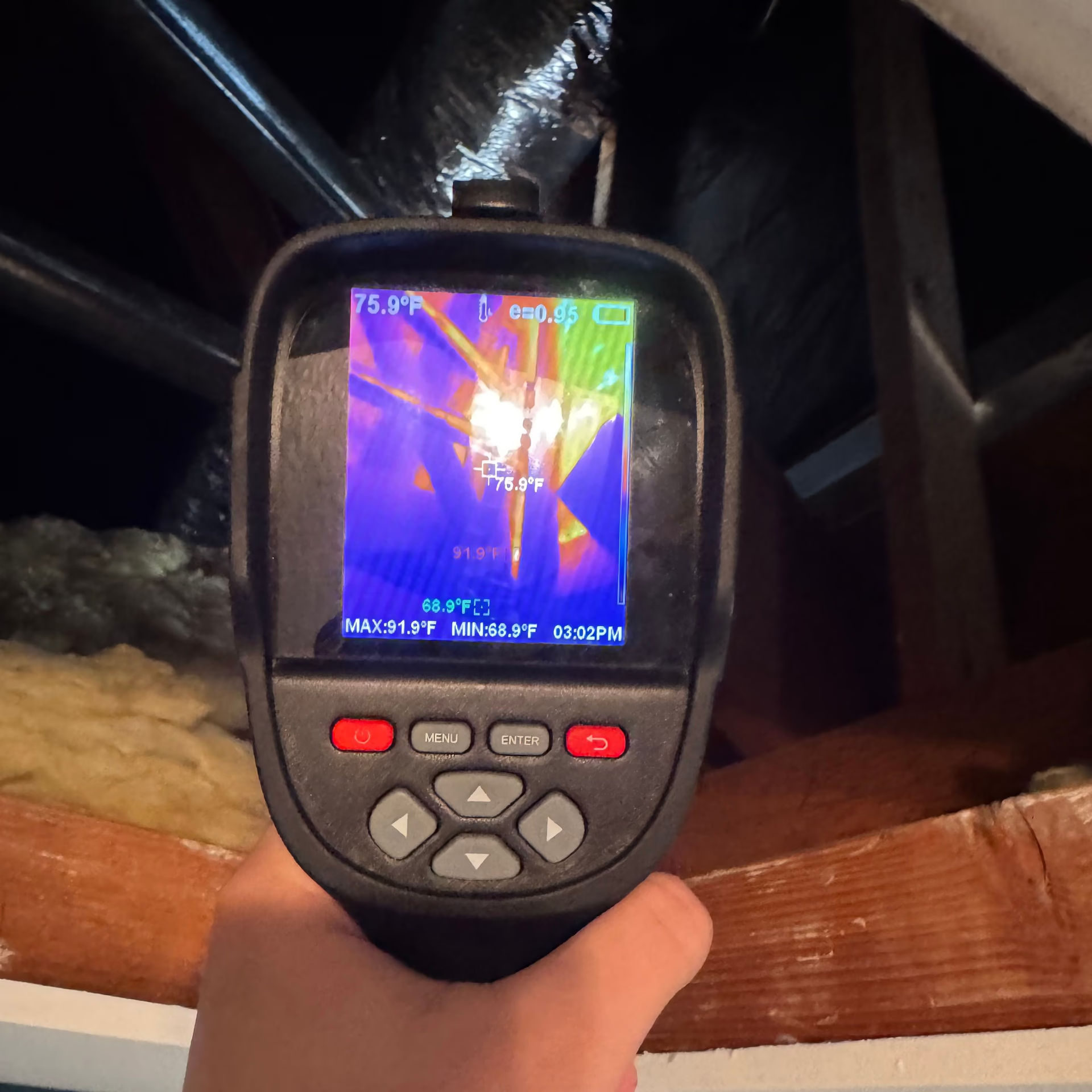
Why infrared thermal imaging finds mold others miss

Mold doesn't always announce itself. A small leak inside a wall, a stretch of failed insulation, or a cold-bridge condensation zone can build mold-friendly conditions for months before any stain reaches the surface. Thermal imaging reveals those conditions while they're still hidden, giving you a chance to address the moisture before mold has spread.

Thermal imaging detects:

  • Hidden moisture inside walls, ceilings, and under floors
  • Active leaks from plumbing, roofing, or HVAC components
  • Insulation gaps and ventilation defects driving condensation
  • Cold spots creating ideal future conditions for mold growth
Why infrared thermal imaging finds mold others miss
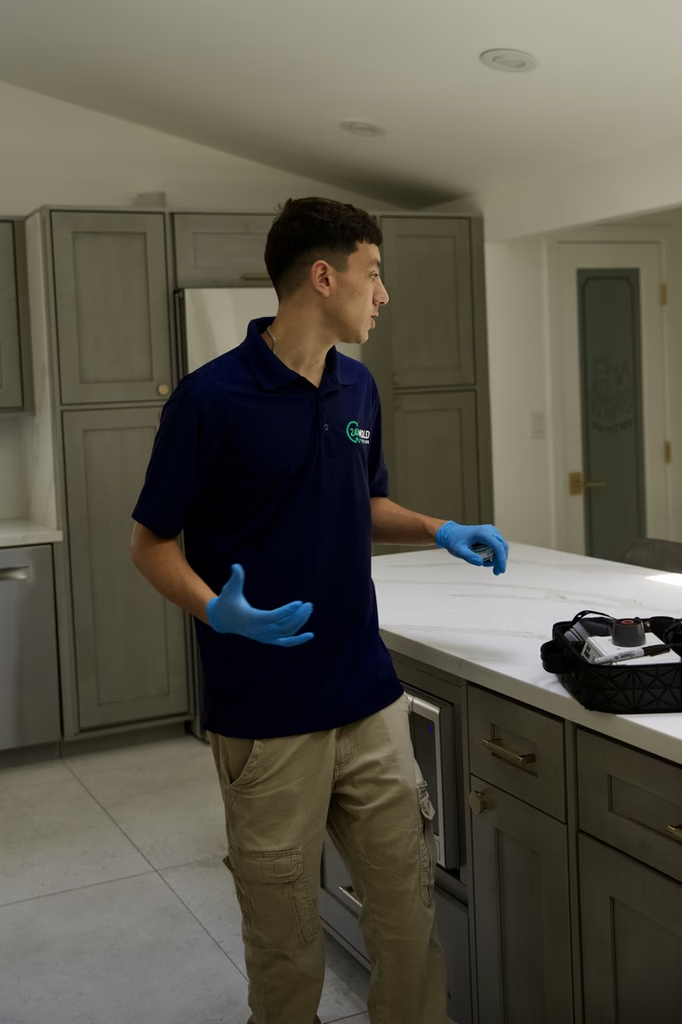
Mold inspector at work

Benefits

What you get from thermal imaging

Find hidden risks early without damaging the property

  • Non-invasive: No drilling, no cutting, no surface damage.
  • Early detection: Catches problems before damage becomes visible.
  • Cost-effective: Targets repairs only where they're needed.
  • Documented findings: Annotated thermal images included in the report.

About

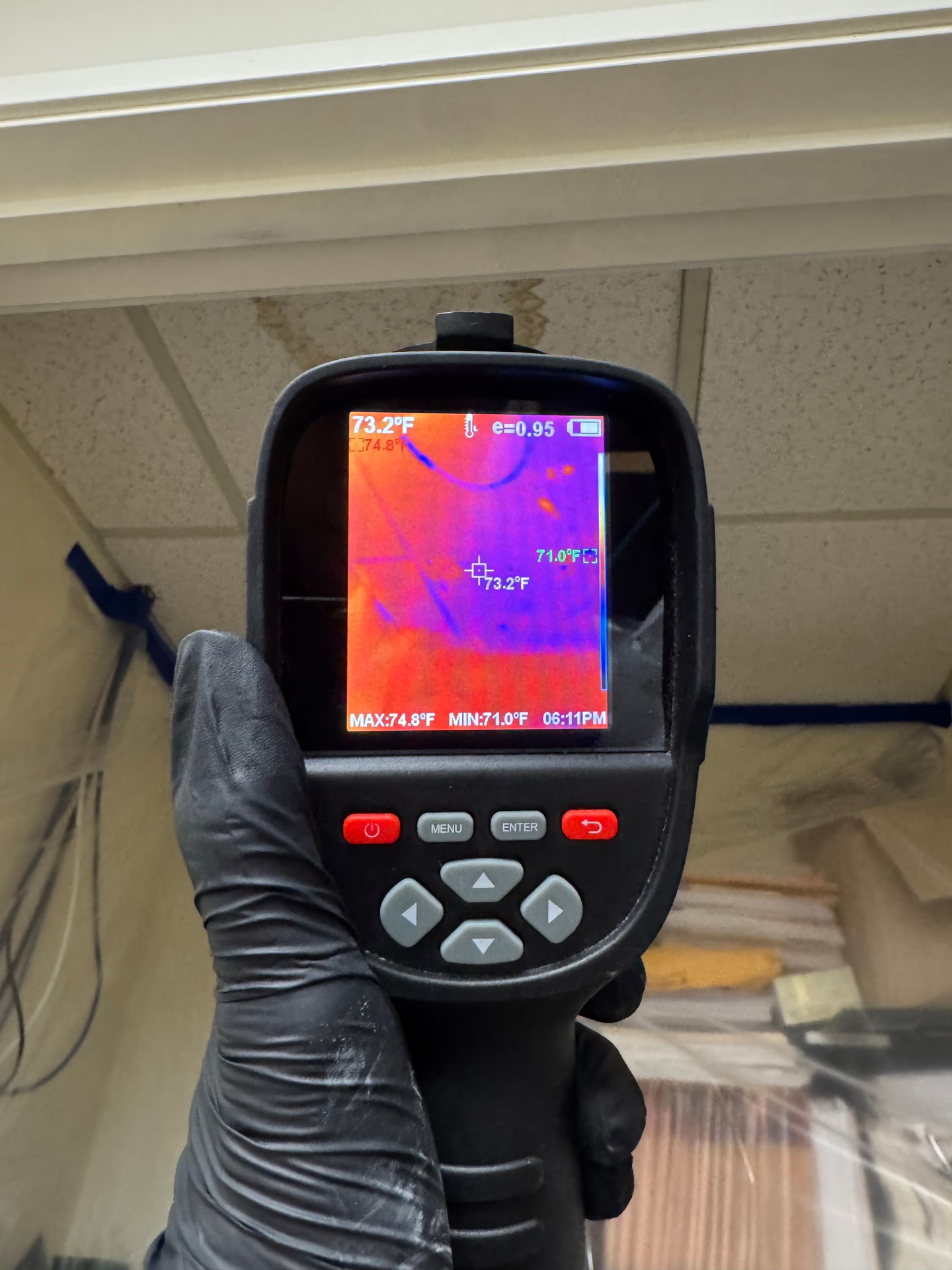
How thermal imaging mold inspection works

Our certified mold inspectors use FLIR cameras to read temperature differentials across surfaces. Cooler areas often signal water present in the material, even when no surface damage has appeared.

Our process includes:

  • A complete thermal scan of key interior and exterior surfaces
  • Identification of unusual cold or warm patterns in the readings
  • Cross-checking thermal findings with calibrated moisture meters
  • A mold inspection report including the annotated thermal images
How thermal imaging mold inspection works

Mold inspection San Bernardino FAQ

Call For An Inspection
They can. Many older and lower-income San Bernardino homes use evaporative "swamp" coolers, which cool the air by adding moisture to it — and in a home already sealed against the heat, that extra humidity can condense in closets, ceilings, and wall cavities. If a swamp cooler is oversized, poorly drained, or run alongside air conditioning, it becomes a steady hidden moisture source that feeds mold. An inspection accounts for how the home is cooled, because the fix is often as much about humidity control as it is about any single leak.
Yes. San Bernardino's semi-rural areas, like Muscoy, include many manufactured and mobile homes, which have skirted underbellies, crawl spaces, and duct systems that differ from standard slab houses. Moisture can collect under the home and in the belly wrap out of sight, so these inspections pay special attention to the underside, tie-downs, and any additions built onto the original unit. Catching moisture in the belly and ductwork early is what keeps it from reaching the floor and wall assemblies above.
Yes, even in a dry climate. San Bernardino's summer monsoon can deliver sudden, intense downpours that overwhelm gutters and drainage and drive water into roofs, walls, and low-lying foundations. Because the surrounding climate is so dry, that water is often assumed to have evaporated when in fact it has soaked into materials where mold can start growing. After a monsoon burst that overwhelmed drainage or pushed water inside, a moisture assessment catches what the dry air hides.
Two windows stand out. Late winter and spring bring mountain runoff and snowmelt that raise soil moisture and groundwater on the valley floor, while mid-to-late summer brings monsoon bursts of sudden rain. Homes with swamp coolers or deferred-maintenance roofs and plumbing can carry moisture risk across both seasons, so a check timed to the end of either wet period tends to find problems while they're still small.
Yes. San Bernardino sits at the heart of the Inland Empire's logistics industry, and large warehouses and distribution centers can develop mold without any obvious leak. Their vast flat roofs, big interior volumes, and HVAC systems make roof-drain failures and daily condensation the main culprits, and problems often hide above suspended ceilings or in mechanical areas for months. Commercial inspection here focuses on the roof and its drainage, the HVAC system, and the concealed spaces above ceilings where moisture collects unseen.

Contact

Book your San Bernardino mold inspection today

Tell us what's going on and we'll respond the same day

Location

24H Mold Inspection of San Bernardino

Service area neighborhoods

  • Downtown San Bernardino
  • Arrowhead
  • North End
  • Westside
  • Muscoy
  • Highland (adjacent)
  • Colton (adjacent)
  • Rialto (adjacent)
Call For Service(909) 751-0026