24H Mold Inspection
San Bernardino24/7 EMERGENCY(909) 751-0026
HomeOur ServicesMold TestingAir Testing
Mold Testing

Air Testing

Mold air testing detects airborne spores and assesses indoor air quality, even in spaces where no visible contamination has shown up yet.

Overview

Why mold air testing matters

Most mold is invisible. Spores float undetected through ducts and doorways, spreading from room to room with the air itself. Air testing reveals the species and concentration of what's airborne, even when no visible growth is found on any surface.

Mold air testing detects:

  • Invisible mold spores circulating through the air
  • Differences in spore levels from one room to the next
  • Contamination inside HVAC systems and hard-to-reach areas
  • Early warning signs in rooms that appear unaffected
Why mold air testing matters
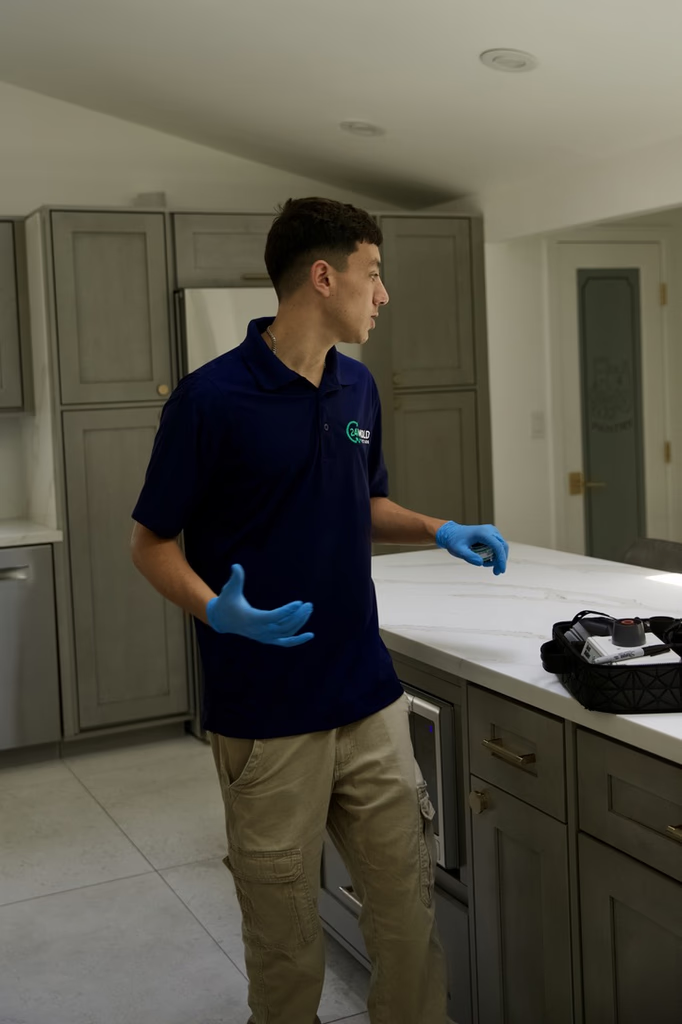
Mold inspector at work

Benefits

What you get from air testing

Understand the air quality and find what your eyes can't

  • Non-invasive: No drilling, no surface damage, no demolition needed.
  • Early detection: Catch contamination before it spreads or symptoms start.
  • Data-driven: Measure and compare spore counts room by room with lab-verified results.
  • Defensible documentation: State-certified lab results that hold up for insurance and real estate use.

About

How mold air testing works

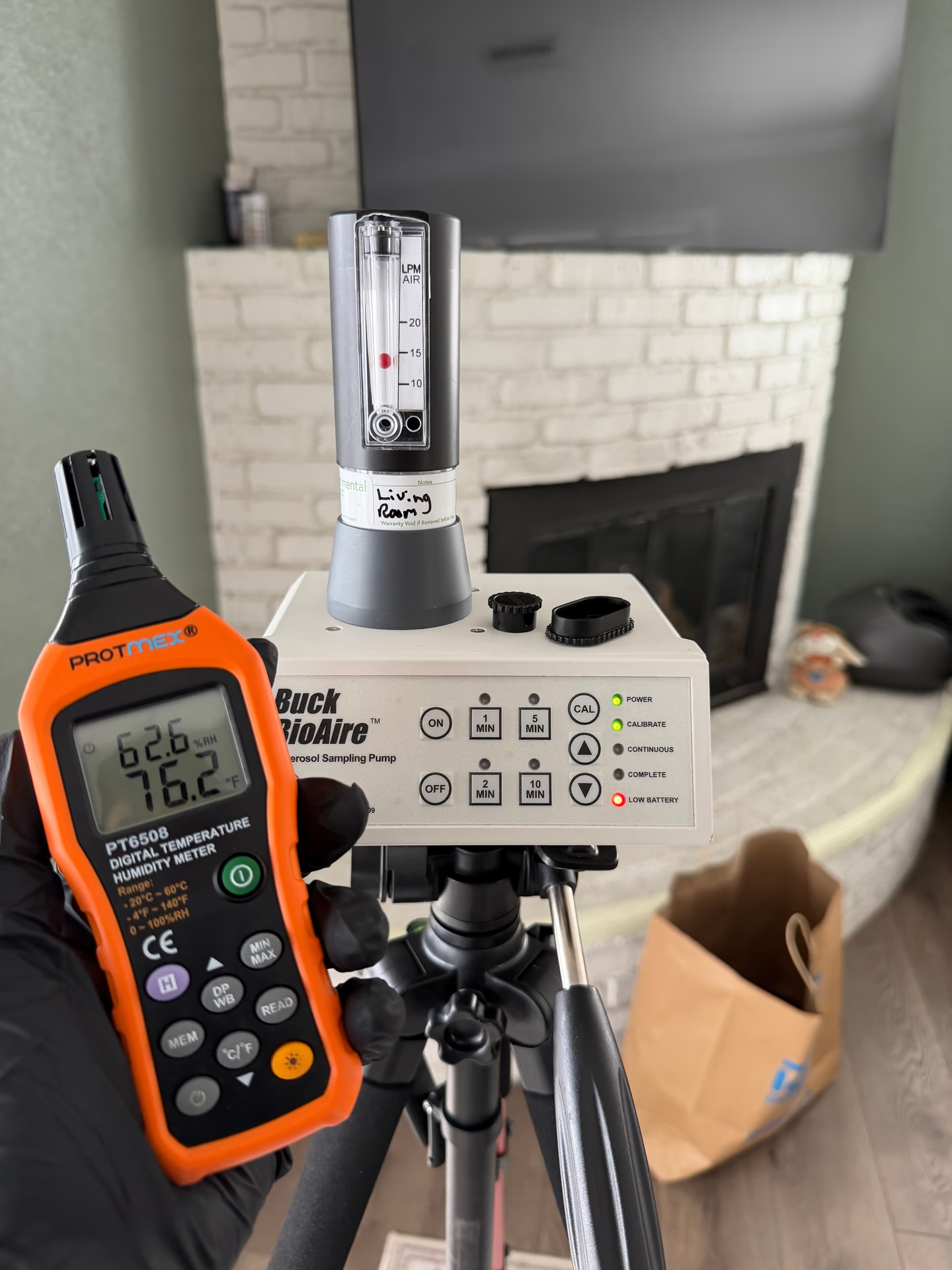
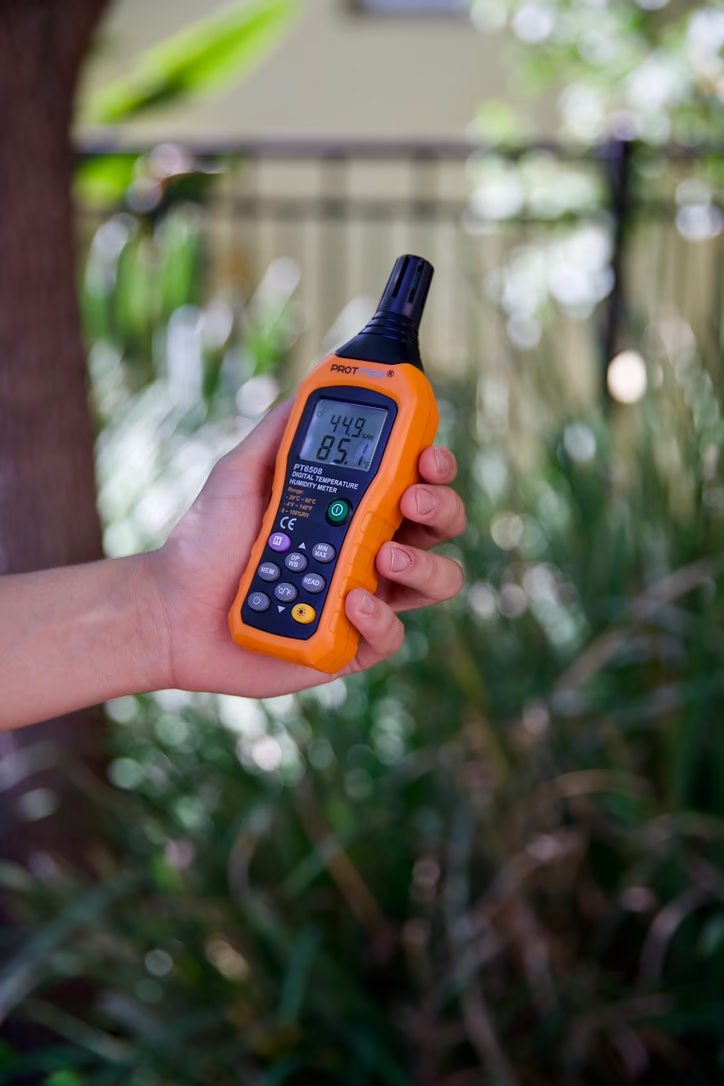
Our certified mold inspectors use calibrated sampling pumps to draw air through a spore trap cassette, capturing airborne mold spores. The lab identifies the mold species under a microscope, including any HVAC contamination if the system is implicated.

Our process includes:

  • Targeted sampling in problem areas and comparison sampling outdoors
  • Spore traps or impactor cassettes calibrated for accurate collection
  • Lab-verified results identifying species and spore counts
  • A written mold inspection report with the numbers and next steps
How mold air testing works

Mold inspection San Bernardino FAQ

Call For An Inspection
They can. Many older and lower-income San Bernardino homes use evaporative "swamp" coolers, which cool the air by adding moisture to it — and in a home already sealed against the heat, that extra humidity can condense in closets, ceilings, and wall cavities. If a swamp cooler is oversized, poorly drained, or run alongside air conditioning, it becomes a steady hidden moisture source that feeds mold. An inspection accounts for how the home is cooled, because the fix is often as much about humidity control as it is about any single leak.
Yes. San Bernardino's semi-rural areas, like Muscoy, include many manufactured and mobile homes, which have skirted underbellies, crawl spaces, and duct systems that differ from standard slab houses. Moisture can collect under the home and in the belly wrap out of sight, so these inspections pay special attention to the underside, tie-downs, and any additions built onto the original unit. Catching moisture in the belly and ductwork early is what keeps it from reaching the floor and wall assemblies above.
Yes, even in a dry climate. San Bernardino's summer monsoon can deliver sudden, intense downpours that overwhelm gutters and drainage and drive water into roofs, walls, and low-lying foundations. Because the surrounding climate is so dry, that water is often assumed to have evaporated when in fact it has soaked into materials where mold can start growing. After a monsoon burst that overwhelmed drainage or pushed water inside, a moisture assessment catches what the dry air hides.
Two windows stand out. Late winter and spring bring mountain runoff and snowmelt that raise soil moisture and groundwater on the valley floor, while mid-to-late summer brings monsoon bursts of sudden rain. Homes with swamp coolers or deferred-maintenance roofs and plumbing can carry moisture risk across both seasons, so a check timed to the end of either wet period tends to find problems while they're still small.
Yes. San Bernardino sits at the heart of the Inland Empire's logistics industry, and large warehouses and distribution centers can develop mold without any obvious leak. Their vast flat roofs, big interior volumes, and HVAC systems make roof-drain failures and daily condensation the main culprits, and problems often hide above suspended ceilings or in mechanical areas for months. Commercial inspection here focuses on the roof and its drainage, the HVAC system, and the concealed spaces above ceilings where moisture collects unseen.

Contact

Book your San Bernardino mold inspection today

Tell us what's going on and we'll respond the same day

Location

24H Mold Inspection of San Bernardino

Service area neighborhoods

  • Downtown San Bernardino
  • Arrowhead
  • North End
  • Westside
  • Muscoy
  • Highland (adjacent)
  • Colton (adjacent)
  • Rialto (adjacent)
Call For Service(909) 751-0026