24H Mold Inspection
Riverside24/7 EMERGENCY(951) 899-0339
HomeOur ServicesMold TestingSwab Testing
Mold Testing

Swab Testing

Mold swab testing handles the textured, damp, and irregular surfaces where mold often grows without any visible sign.

Overview

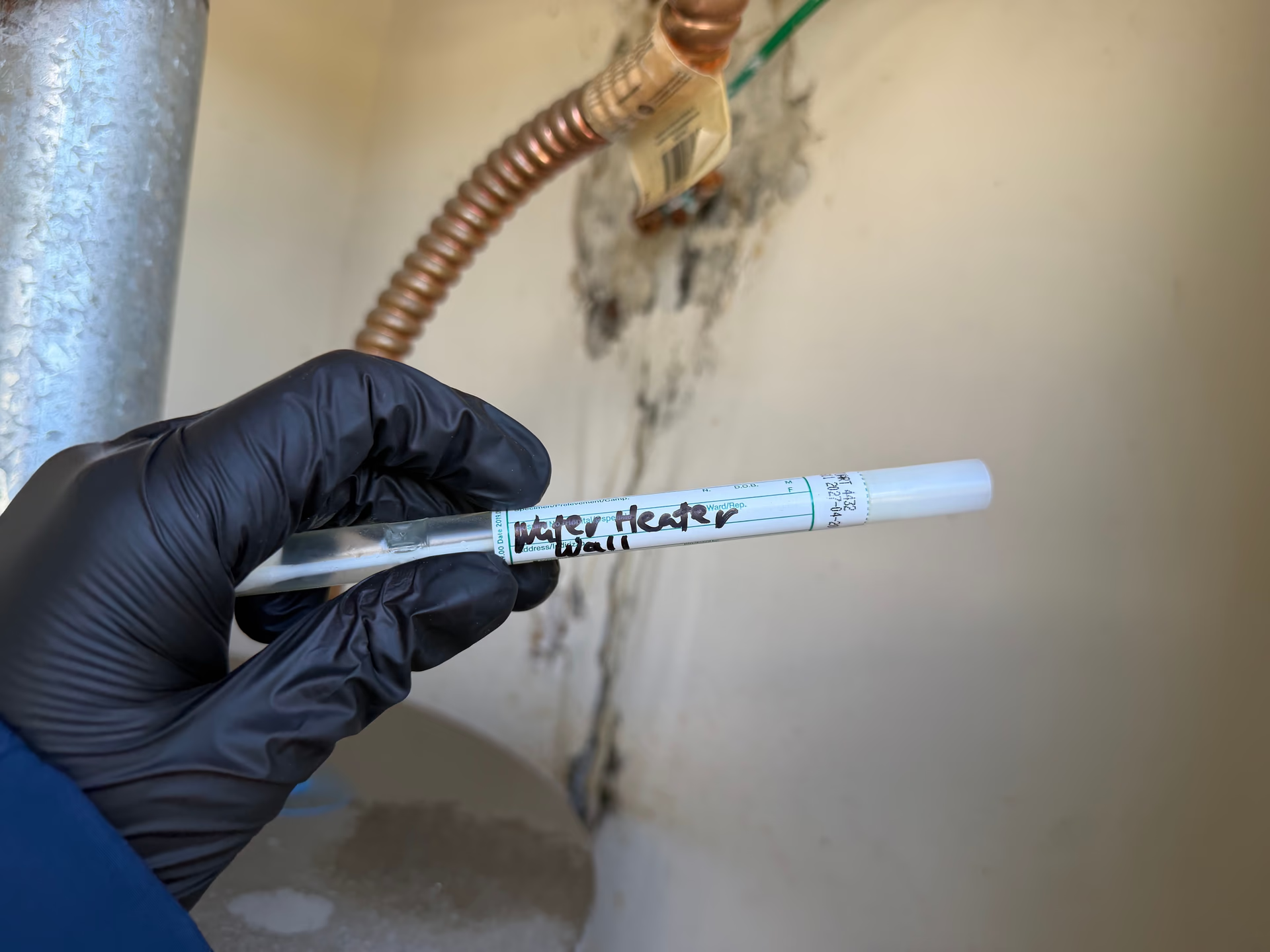
Why mold swab testing matters

Mold grows in damp areas without always showing on the surface. Swab testing detects microbial growth on materials that are soft, porous, or moisture-prone, and is the right approach after water damage or in spaces that resist visual inspection.

Mold swab testing detects:

  • —Hidden mold on porous or textured materials
  • —Growth in damp spots like under sinks or around HVAC
  • —Contamination on organic materials including wood and fabric
  • —Mold that visual inspection alone tends to miss
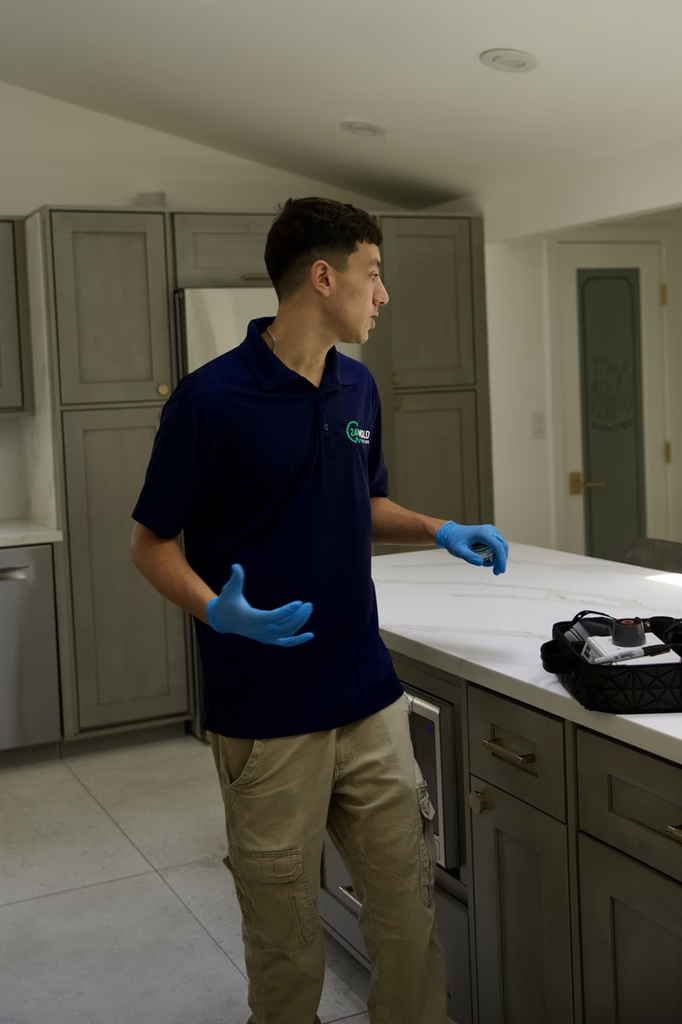
Why mold swab testing matters
Mold inspector at work

Benefits

What you get from swab testing

A flexible method for hard-to-sample surfaces

  • —Moisture-ready: Designed for damp and water-damaged materials.
  • —Flexible: Handles uneven, porous, and irregular surfaces.
  • —Confirmatory: Validates mold presence in hidden or subtle areas.
  • —Lab-backed: Lab-verified results with species identification.

About

How mold swab testing works

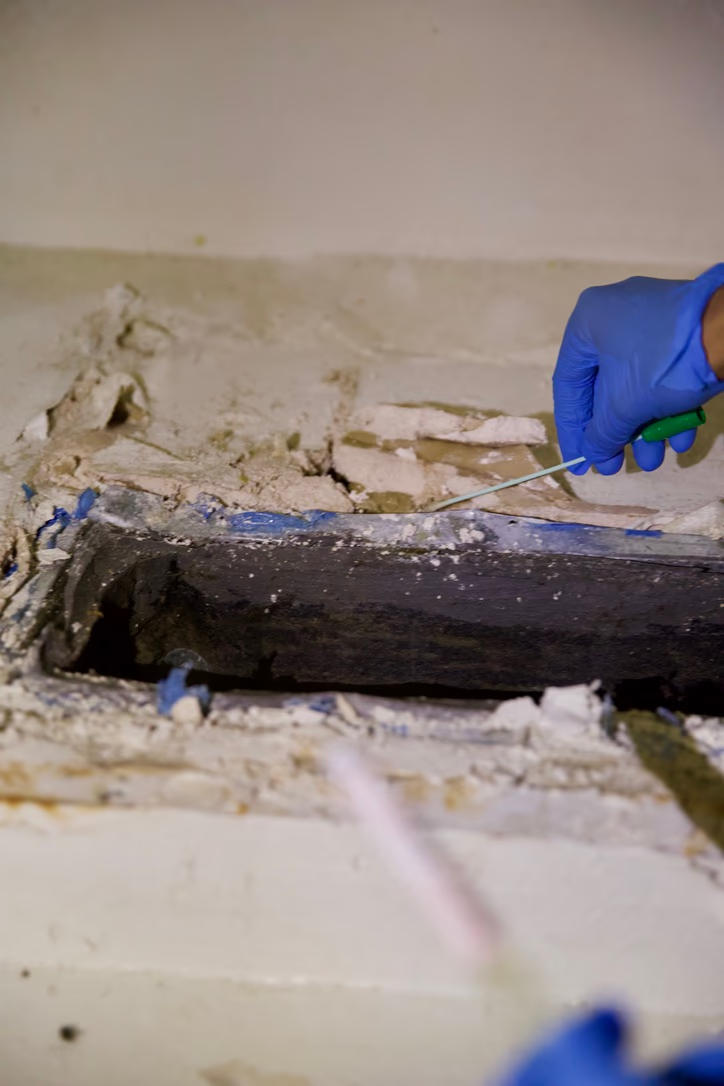
Our certified mold inspectors gently rub a sterile swab across the suspect area to collect a sample, then seal it and send it to a state-certified lab for mold species identification and contamination level.

Our process includes:

  • —Sterile collection from textured surfaces and porous materials
  • —Coverage of damp surfaces and hard-to-reach spots
  • —Lab work returning spore counts and lab-verified results
  • —A mold inspection report with clear next steps
How mold swab testing works

Mold inspection Riverside FAQ

Call For An Inspection
They have more places for it to hide than newer construction. Frank Miller built the Mission Inn in seven major phases between 1902 and 1931, and the downtown around it holds blocks of early-twentieth-century masonry commercial buildings, many now converted to restaurants, offices, lofts, and condominiums above ground-floor shops. Brick and unreinforced or lightly reinforced masonry wick water and hold it, flat roofs pond behind parapets, and conversions add showers and kitchens to buildings designed for retail or storage, often over slabs with no vapor barrier. Seismic retrofits and remodels over the decades have also opened and closed walls that may have hidden old water damage. The usual findings are moisture at roof-to-wall transitions and parapet flashing, growth in ceiling cavities above wet rooms, and leaks from upper units surfacing in the space below. An inspection focuses on those paths, and the report helps owners, tenants, and associations settle who is responsible for the repair.
It is often worth it, whether you are the student, a parent, or the owner. The neighborhoods around UC Riverside carry a large stock of houses rented by the room and apartment complexes that turn over every academic year. High occupancy means more showers, cooking, and laundry than many of these buildings were designed to vent, and the gaps between tenants are when slow leaks, failed bathroom fans, and window condensation go unnoticed. In stacked apartment buildings, a leak in one unit often surfaces in the one below, which is why apartment-wide mold complaints tend to follow plumbing stacks. California law treats visible mold as a substandard housing condition under Health and Safety Code section 17920.3, as amended by SB 655, and a building's age is not a defense. An inspection at move-in or after a reported leak documents conditions with moisture readings, photos, and lab results — the record that settles deposit and repair disputes and helps an owner fix the cause.
Some are, especially on the lowest ground. In March 1938 the river overtopped its banks and flooded part of northwest Riverside, forcing families from their homes in the northern part of the city, and the flood-control work that followed changed the river corridor but not the geography beneath it. The neighborhoods on the low land near the river and around Fairmount Park — the park the Olmsted firm was hired to design in 1911 — sit where the water table runs higher and storm runoff collects fastest. Moisture there tends to arrive from below: damp crawl space soil under older raised-foundation homes, vapor rising through slabs poured without vapor barriers, and growth along the bottom of drywall on exterior walls after a wet winter. A moisture survey that compares readings across the slab or crawl space tells you whether it is ground moisture, which calls for drainage and vapor control, or a concentrated leak a plumber can fix.
They often do. Riverside's citrus industry started with the parent navel orange trees Eliza Tibbets planted in 1873 — one still grows at Magnolia and Arlington avenues — and Victoria Avenue was laid out in 1892 to connect Arlington Heights to downtown, landscaped under pioneer designer Franz Hosp. The older houses in Arlington Heights and along the former grove lands range from ranch-era homes to mid-century houses, many on lots once irrigated as orchards, some on raised foundations, many enlarged over the years. The moisture sources fit that setting: landscape and remnant grove irrigation keeping soil damp against the house, mature trees sending roots into sewer laterals and dropping debris into gutters, outbuildings and garages converted to living space on unsealed slabs, and additions joined to older walls. An inspection on these properties covers the crawl space or slab edge on the irrigated sides, the attic beneath tree cover, and any converted space.
If the home inspection mentioned staining, a musty smell, or signs of past leaks, a mold inspection is the follow-up that note is pointing to. A general inspection surveys the whole property visually; a mold inspection measures moisture inside walls, under flooring, and in the attic or crawl space with thermal imaging and moisture meters, and sends air or surface samples to an accredited lab. In Riverside the gap matters most in a few kinds of houses: the early-1900s homes of the Wood Streets and the older central neighborhoods, where the crawl space is where problems live; postwar slab homes in Magnolia Center and La Sierra, where a slab leak can run for months under carpet; and hillside homes in Canyon Crest, where runoff collects against uphill walls. Riverside's dry summers can make an active leak look harmless on the surface. Book the mold inspection inside your contingency window so the findings can still change the price or the repair requests.
These neighborhoods filled in with single-story stucco homes on slabs during the postwar decades, and the houses now share the failures of their age. The recurring moisture sources are copper or galvanized supply lines leaking inside walls or under the slab, cast-iron drains cracking beneath bathrooms and kitchens, roofs re-covered over older layers, and roof-mounted evaporative coolers leaking at their curbs or run during humid monsoon weather in late summer. Many homes that later added central air kept the old cooler duct, which then sweats in summer and admits rain in winter. Bathroom fans that were never installed or that vent into the attic are common too, and garage conversions on unsealed slabs add another layer. The first signs are usually small — a musty closet, a swelling baseboard, staining around a ceiling register, a warm spot on the floor. A moisture survey of the plumbing walls, slab perimeter, attic, and cooler opening covers where these houses usually fail.
They do, mostly because of the slope. Canyon Crest climbs toward the Box Springs Mountains on the city's east side, and many homes there sit on graded pads with retaining walls, terraced yards, and long downhill drainage runs. The granitic hillsides shed water quickly instead of absorbing it, so a heavy storm concentrates runoff against uphill walls and into the joint between slab and foundation on homes cut into the grade. Terrace drains and V-ditches clogged with debris turn an ordinary rain into a wet wall, and irrigation on steep yards keeps the uphill side damp year-round. Condominium and townhome complexes on the slopes add shared walls and roofs, where water from one unit reaches the next. Inside, the signs are mineral deposits on the slab edge, swelling baseboards on the hill side, and a musty smell in the lowest rooms. An inspection focused on the uphill wall, retaining-wall drainage, and the slab perimeter is the right scope here.

Contact

Book your Riverside mold inspection today

Tell us what's going on and we'll respond the same day

Location

24H Mold Inspection of Riverside

Hours

  • MondayOpen 24 hours
  • TuesdayOpen 24 hours
  • WednesdayOpen 24 hours
  • ThursdayOpen 24 hours
  • Friday6 AM – 6 PM
  • SaturdayClosed
  • SundayOpen 24 hours

Service area neighborhoods

  • Wood Streets
  • Historic Downtown
  • Victoria Avenue corridor
  • Canyon Crest
  • Hawarden Hills
  • La Sierra
  • Magnolia Center
  • Orangecrest
Call For Service(951) 899-0339