24H Mold Inspection
Orange County24/7 EMERGENCY(888) 818-0311
HomeOur ServicesMold InspectionMoisture Detection
Mold Inspection

Moisture Detection

Find the hidden water inside walls, floors, and ceilings before it turns into mold, structural damage, or a far bigger repair bill.

Overview

Why hidden moisture is the real mold problem

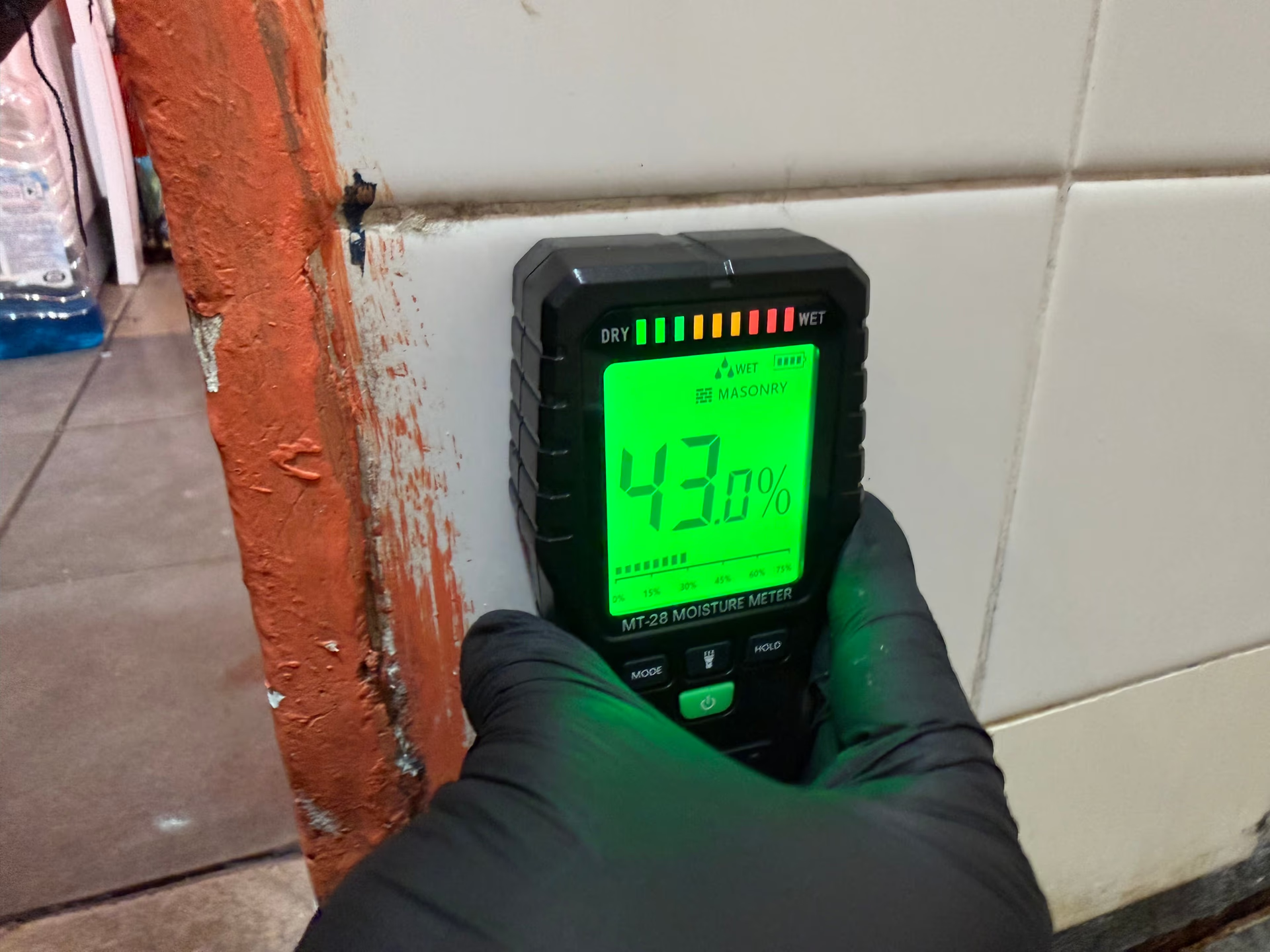
Hidden moisture rarely shows up until it's already a problem. Water gets behind walls, soaks into subflooring, and sits in ceilings while everything looks fine. Once it's been there long enough, you get mold, weakened framing, and a repair bill in the thousands.

Moisture detection identifies:

  • —Hidden leaks from plumbing, roofs, and foundations
  • —Saturated drywall, flooring, and insulation
  • —Areas at risk for mold or mildew growth
  • —Humidity buildup and condensation sources
Why hidden moisture is the real mold problem
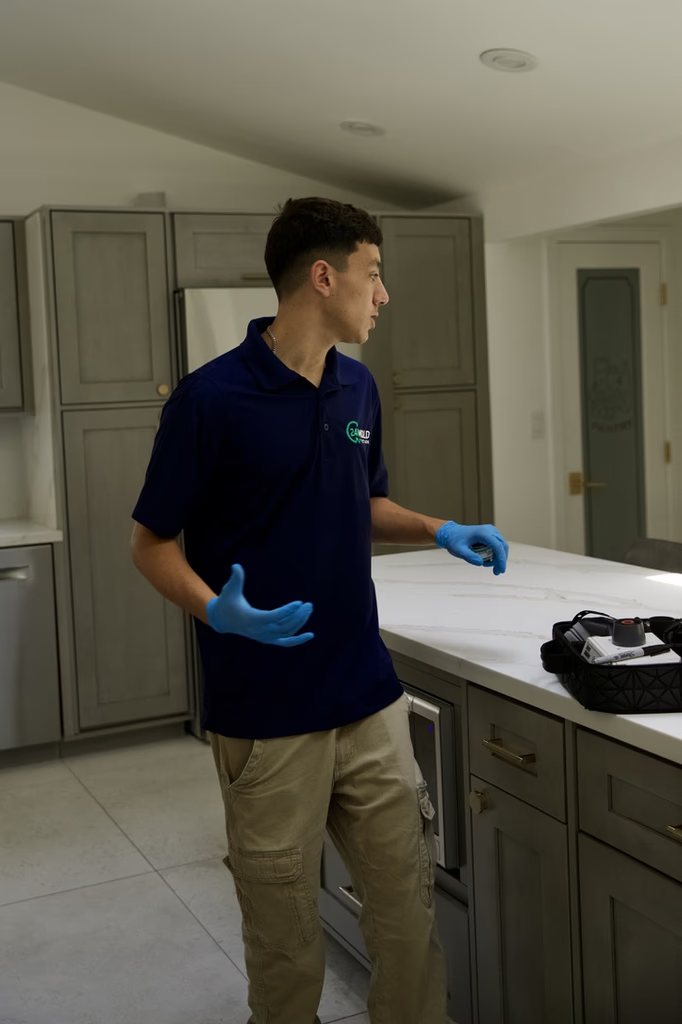
Mold inspector at work

Benefits

What you get from moisture detection

Catch water damage before it leads to expensive repairs or mold growth

  • —Non-invasive: No walls opened, no cutting required.
  • —Early leak detection: Find hidden leaks before damage gets worse.
  • —Health protection: Reduce risks from mold and damp exposure.
  • —Smarter repairs: Targets work to the exact problem area.

About

How a moisture detection visit runs

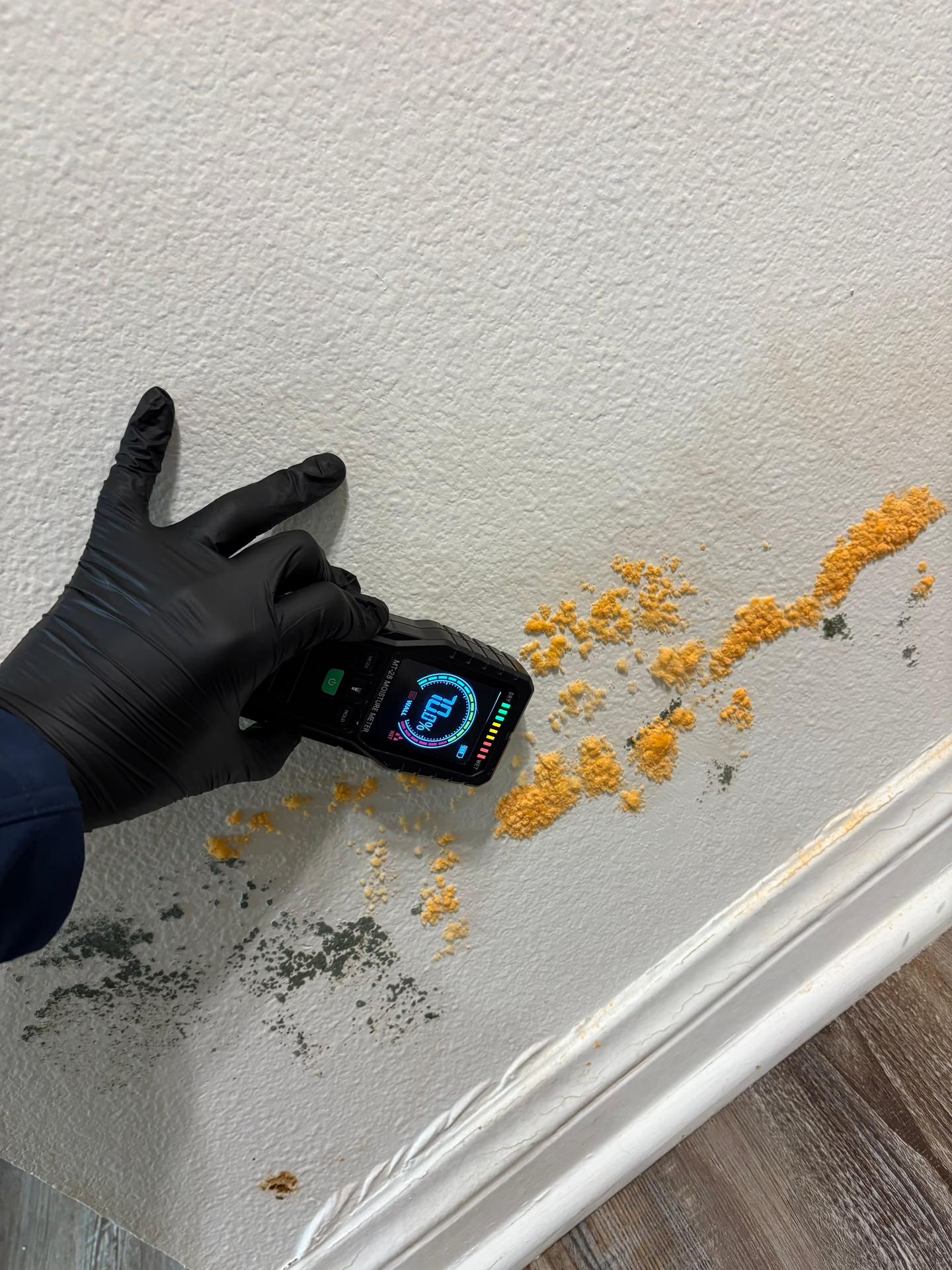
Our certified mold inspectors use high-precision moisture meters and detection tools to measure water content inside building materials. The instruments find trapped water without any cutting or drilling, even when the surface looks dry.

Our process includes:

  • —Surface moisture scanning across the property
  • —Deeper probe readings in high-risk areas like bathrooms and basements
  • —Cross-checking with thermal imaging when warranted
  • —A written mold inspection report with detailed moisture readings
How a moisture detection visit runs

Mold inspection Orange County FAQ

Call For An Inspection
Orange County's housing stock leans heavily on condominium and townhome communities, where the most common sources of water intrusion — roofs, exterior walls, and plumbing that runs through shared structures — are generally HOA-maintained common areas under the community's governing documents. That means a failure originating in a common-area roof or wall can migrate into your unit and cause mold without any defect inside your own walls, and responsibility for the repair often falls to the association rather than the individual owner. Failed waterproofing membranes and deficient stucco are among the most frequent construction defects in these developments. An independent inspection documents where the moisture is actually coming from, which is what determines responsibility and supports any claim to the HOA or developer.
Much of Orange County's residential stock is post-1960s single-family tract housing built on concrete slab-on-grade foundations. On a slab, water from a plumbing leak or intrusion can travel beneath the finished flooring and wick up into wall cavities, drywall, and framing with no visible sign at floor level, setting up mold that isn't discovered until it spreads or produces odors. Because Orange County rarely sees freezing temperatures, that moisture can support mold year-round. Moisture meters and thermal imaging locate under-slab and in-wall moisture that a visual walkthrough misses, which is the main reason slab homes benefit from instrument-based inspection.
Orange County has had heavy rain in recent seasons, and wind-driven rain forces water through stucco cracks, roof and window gaps, and drainage failures. Mold can begin growing within 24 to 48 hours of that kind of saturation. Damage from wind-driven intrusion is often hidden inside walls rather than visible, so a home that looked fine after a storm can still be developing mold. If your property took on water, a moisture assessment is worthwhile.
Yes. Orange County's master-planned communities are dominated by newer stucco-clad construction, and newer does not mean immune. Water can get in through stucco and exterior cladding, window flashing, and drainage details, and moisture trapped behind stucco has no easy path to dry, which supports hidden mold inside the wall assembly. These problems often surface within the first several years. Because the damage sits behind hard cladding, it is found with moisture meters and thermal imaging rather than a visual check.
Waterfront and bayfront properties along Orange County's coast combine persistent marine-layer humidity — indoor humidity in these coastal homes often hovers near 60%, where mold growth accelerates — with proximity to standing water and a high water table. Ground-floor and below-grade assemblies, along with older beach-cottage construction, stay damp enough to support mold even without a specific leak, and salt-laden air degrades exterior sealing over time. The 2025 winter storms also raised concern about saturated soils and water pooling beneath coastal homes. Waterfront properties benefit from checks focused on the building envelope, ground-floor and subfloor moisture, and any below-grade space.
They can be. Wildfires in and near the foothills can leave burned slopes that shed more rain than before, and heavy rain on those slopes can send runoff and debris toward nearby homes. When water or mud gets in or around a home, the saturation of framing, drywall, and crawl spaces creates conditions for mold. Canyon properties also tend to sit in shaded, humid microclimates with limited airflow that keep soil and crawl spaces damp. Homes in these communities, especially any that took on water or debris, are a priority for a moisture assessment.
Orange County's mix of condos, tract homes, and coastal properties each calls for a different focus. In a condo or townhome, the inspection looks at shared walls, ceilings, and plumbing chases where common-area water intrusion migrates between units; in a slab-foundation tract home, it targets under-slab and in-wall moisture that leaves no surface sign; and in a coastal or waterfront home, it centers on the building envelope, attic ventilation, and ground-floor assemblies exposed to marine-layer humidity. Given the recent winter storms, it's also worth confirming whether the property took on water and how it was handled. An independent inspection — with no financial stake in remediation — gives a clear moisture picture before closing.

Contact

Book your Orange County mold inspection today

Tell us what's going on and we'll respond the same day

Location

24H Mold Inspection of Orange County

Hours

  • MondayOpen 24 hours
  • TuesdayOpen 24 hours
  • WednesdayOpen 24 hours
  • ThursdayOpen 24 hours
  • Friday6 AM – 6 PM
  • SaturdayClosed
  • SundayOpen 24 hours

Service area neighborhoods

  • Coastal Orange County
  • North Orange County
  • Central Orange County
  • South Orange County
  • Inland Orange County
Call For Service(888) 818-0311