
24H Mold Inspection
Mission Viejo24/7 EMERGENCY(949) 848-2778
HomeOur ServicesMold Inspection
our services

Mold Inspection

Advanced moisture detection and infrared technology—so you can act before it spreads.

About

Why Mold Inspection Matters

Mold often hides behind walls or under flooring. Our inspection process is designed to catch both the obvious and the invisible—before they become costly repairs or health concerns.

  • Detect visible mold
  • Locate the source of moisture that feeds it
  • Identify which areas need testing or remediation
  • Get peace of mind after leaks or before buying property
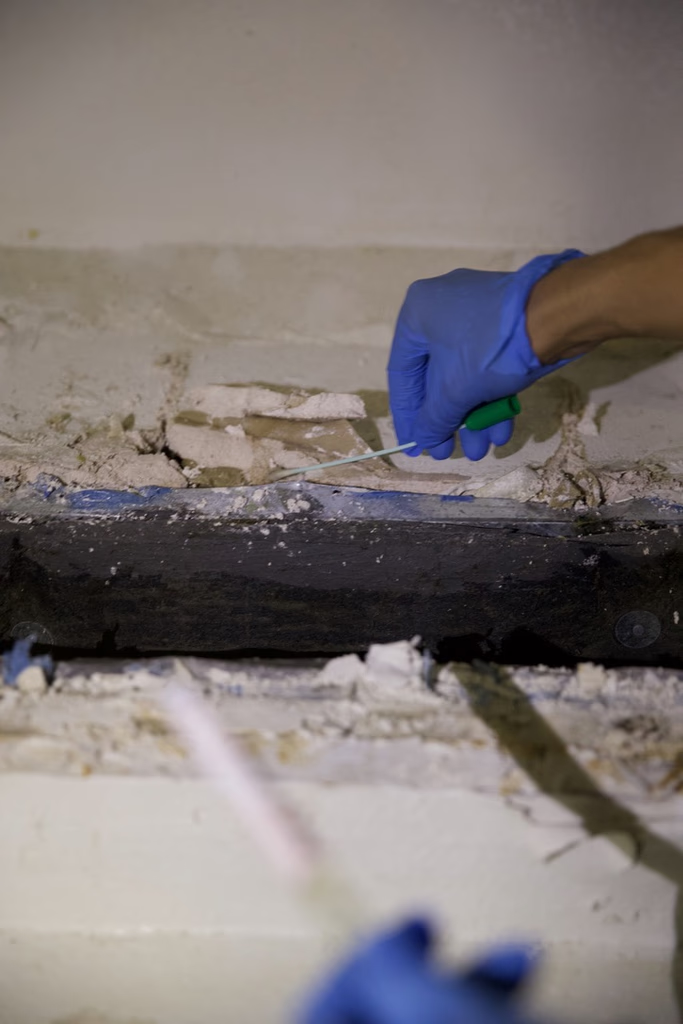
Why Mold Inspection Matters

Methodology

How our mold inspectors inspect

We combine certified field experience with calibrated detection tools
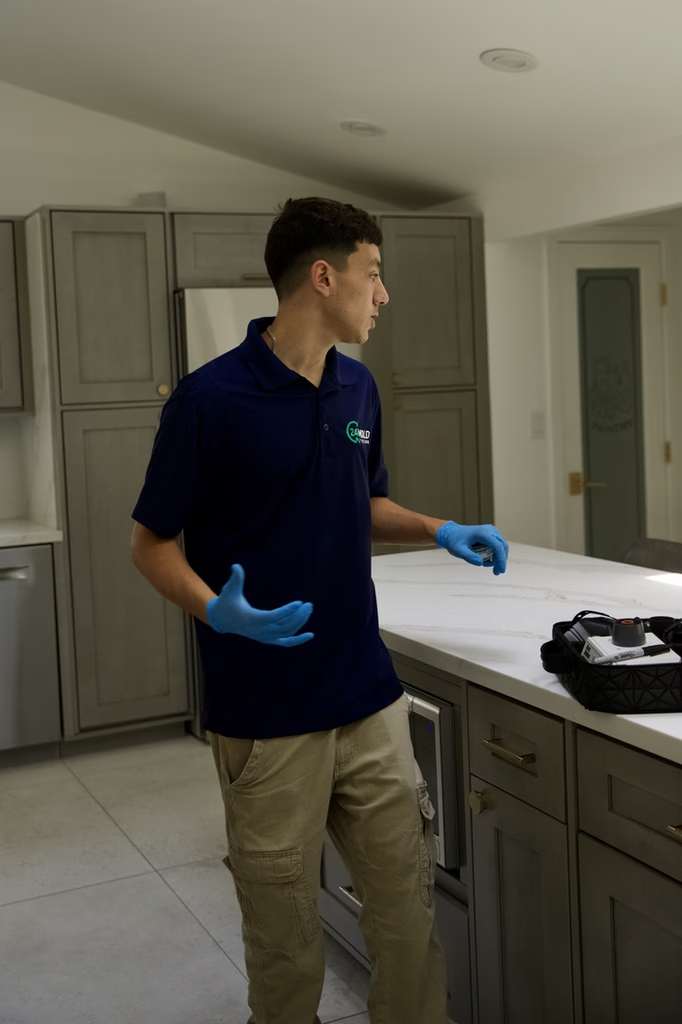
Every job starts with a structured walkthrough of high-risk areas: bathrooms, kitchens, attics, basements, crawl spaces, and around any plumbing, windows, or HVAC components. The inspector documents visible growth, stains, warping, and other physical signs as they go.

Mold doesn't grow without water, so finding the moisture is half the work. Pin and pinless moisture meters measure water content inside walls, ceilings, and flooring materials, locating active leaks and elevated humidity that the eye can't see.

FLIR thermal imaging cameras read temperature differentials behind surfaces, which is how we find wet areas inside walls without opening anything up. Cold spots flag moisture, condensation, and air leaks that often correlate with hidden mold growth.

Mold inspector at work

Checklist

Is an Inspection Right for You?

Mold inspection is ideal if:

  • You've had recent leaks or water damage
  • You notice musty odors in certain rooms
  • You're buying, selling, or managing a property
  • You want to check for mold before testing or remediation
  • You just want peace of mind

Still unsure? Our team will help you decide if an inspection—or testing—is the right first step.

Inspection Overview

Our Inspection Methods

Understand the key methods we use to deliver a complete, thorough mold inspection.

Mold inspection Mission Viejo FAQ

Call For An Inspection
They can. Homes along Lake Mission Viejo — a 124-acre man-made lake at the center of the community — sit beside a large, constant body of water that keeps ambient humidity and the local water table higher than on dry inland lots. Waterfront and near-lake homes, along with their lower levels and any bulkheads or retaining structures, face steadier moisture pressure as a result. An inspection of a near-lake home focuses on the ground-contact and water-facing assemblies where that steady moisture tends to collect.
A slab leak is one of the most common hidden mold sources here. Most Mission Viejo homes sit on concrete slab foundations with plumbing running beneath, and after decades a pinhole or joint leak can send water up through the slab into flooring, baseboards, and wall bases. Because the leak is under the concrete, it often shows up first as warm spots, unexplained water bills, or musty odors rather than visible water. Moisture meters and thermal imaging trace the moisture back to its source under the slab, which is what a visual walkthrough misses.
It depends on your community's governing documents, but in many Mission Viejo HOA and attached-home communities the association maintains roofs and shared exterior walls while owners handle their interiors. That split matters for mold, because a roof or shared-wall leak can be the association's responsibility to repair even when the mold appears inside your unit. An inspection that documents the source and path of the moisture helps sort out who's responsible. (This is general information, not legal advice.)
Yes. In Mission Viejo's condos, townhomes, and attached senior-community homes, units share walls, roofs, and stacked plumbing, so a leak in one home can migrate into a neighbor's. Mold sometimes appears in a unit far from the actual source, which is why inspecting the shared assemblies — not just the affected room — matters in these developments. Documenting where the moisture originates is also key for both remediation and any claim to the HOA or a neighbor.
Winter is the key window. Southern California's rainy season, roughly December through March, delivers the episodic but intense storms that graded hillside lots channel toward foundations and building perimeters. The dry rest of the year can mask slow slab and plumbing leaks, which continue regardless of season and are often found only during an inspection. A check timed to the rainy season catches storm-driven intrusion, while a slab or plumbing concern is worth looking at any time of year.

Contact

Book your Mission Viejo mold inspection today

Tell us what's going on and we'll respond the same day

Location

24H Mold Inspection of Mission Viejo

Service area neighborhoods

  • Mission Viejo Lake corridor
  • Casta del Sol
  • Aegean Hills
  • Olympiad Hills
  • Palmia
  • Stoneridge
  • Los Alisos
  • Oso Valley
Call For Service(949) 848-2778