1
Mold inspection
- Moisture detection
- Infrared technology
- Certified mold inspectors
- No conflict of interest

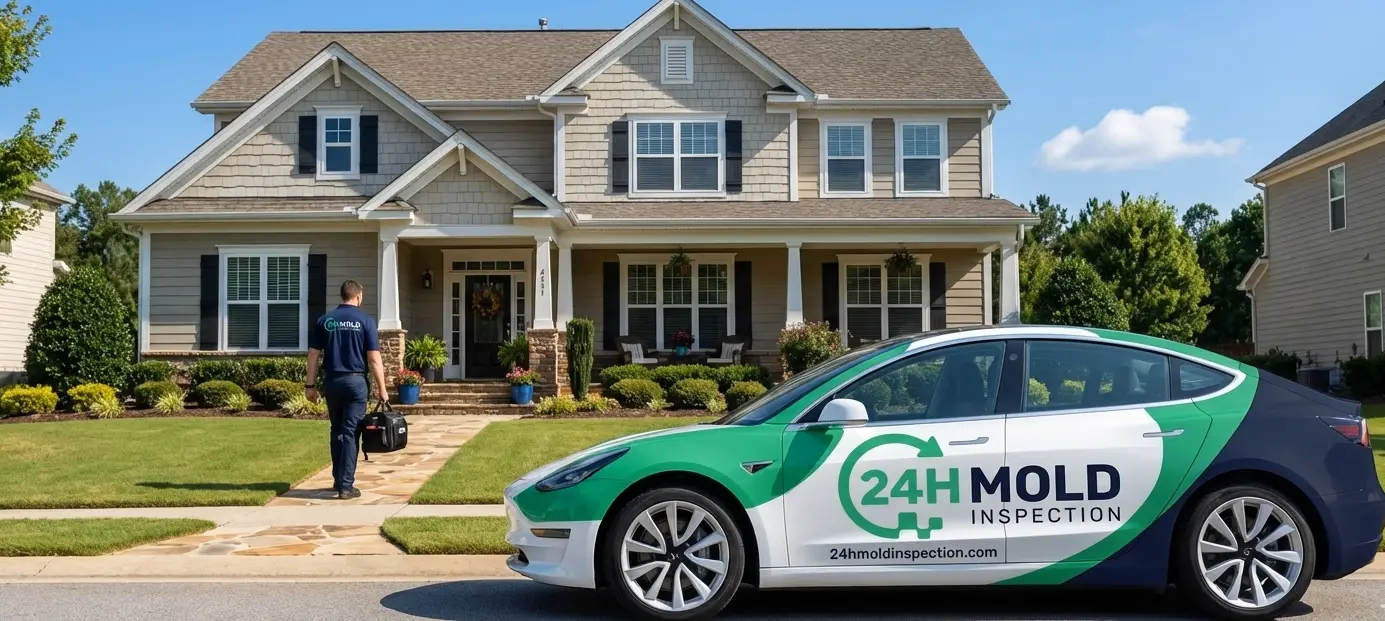
Certified mold inspection and testing in Long Beach. Same-day appointments, lab-verified reports, and no financial stake in any remediation work that follows.
(562) 800-7969What We Do
Air and surface samples analyzed in a state-certified lab. You receive mold species ID, spore count data, and lab-verified documentation that holds up with insurers, attorneys, or counsel.
About
At 24H Mold Inspection of Long Beach, we know no two buildings respond to moisture the same way.
Long Beach presents one of the most varied mold environments in Southern California because it combines dense urban development, active port infrastructure, coastal neighborhoods, historic housing stock, and modern multifamily construction within a single city. Marine-layer moisture regularly moves inland from the Pacific, particularly affecting neighborhoods closest to the waterfront, while older homes throughout central Long Beach often contend with aging plumbing systems and decades of deferred maintenance. The city contains one of the largest inventories of pre-war and mid-century housing in Los Angeles County, meaning many structures were built before modern moisture-control standards existed. Coastal fog, salt-laden air, and occasional winter storm events can accelerate exterior deterioration, creating pathways for water intrusion around windows, roofs, and building envelopes. Properties near the harbor and waterfront districts frequently experience elevated humidity levels compared to inland neighborhoods, while dense urban development can reduce airflow and slow drying after moisture events. The result is a city where mold concerns stem from both environmental exposure and the aging condition of a diverse building stock.
Long Beach contains historic craftsman homes, mid-century suburban housing, waterfront condominiums, apartment communities, mixed-use developments, and commercial buildings spanning nearly a century of construction. Older coastal properties often face moisture intrusion challenges related to aging materials, while newer multifamily developments commonly encounter HVAC and ventilation-related moisture issues.
Services
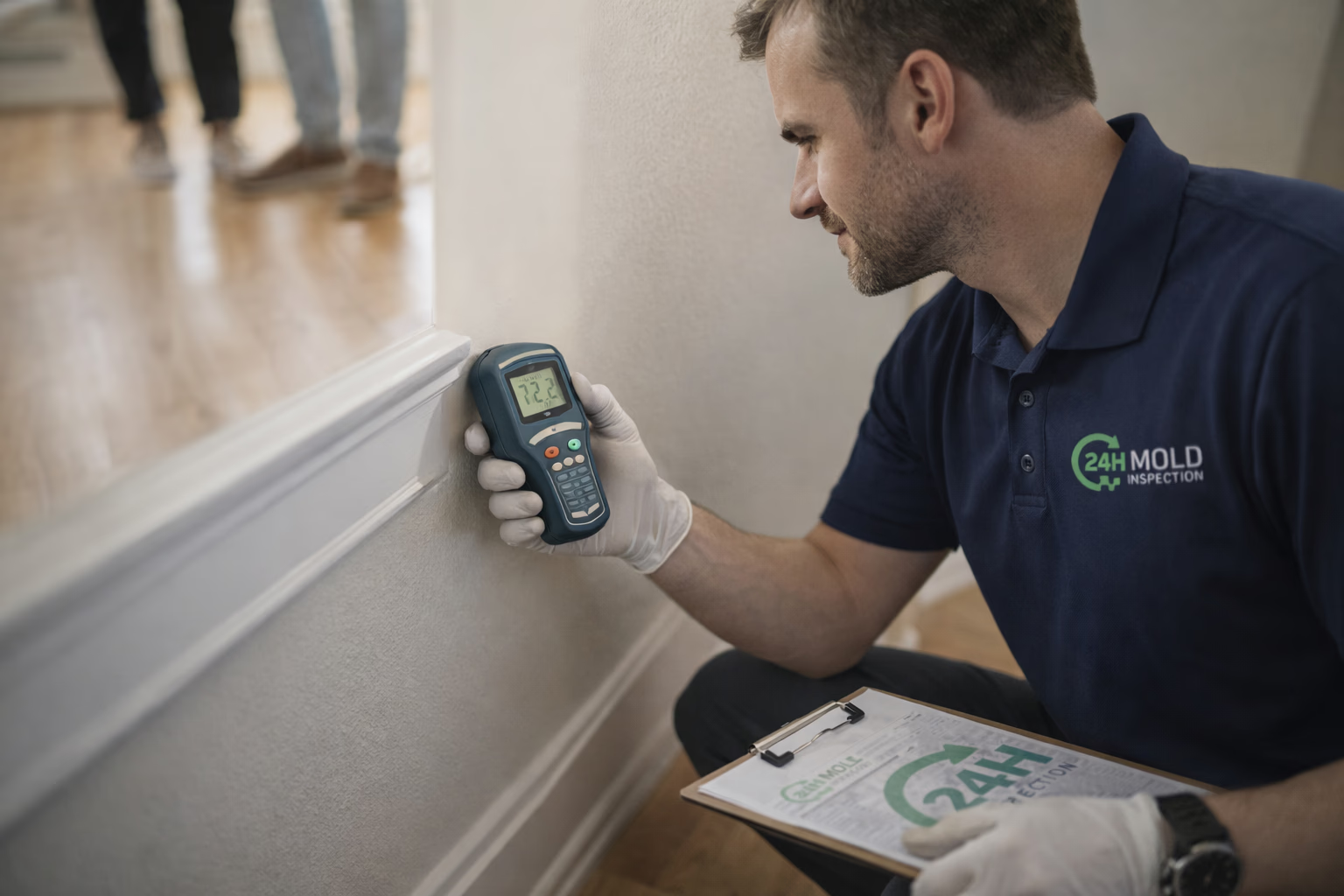
Mold inspection, mold testing, and environmental risk assessments for Long Beach properties. Available 24/7, with no remediation work to bias the findings.
Why Us
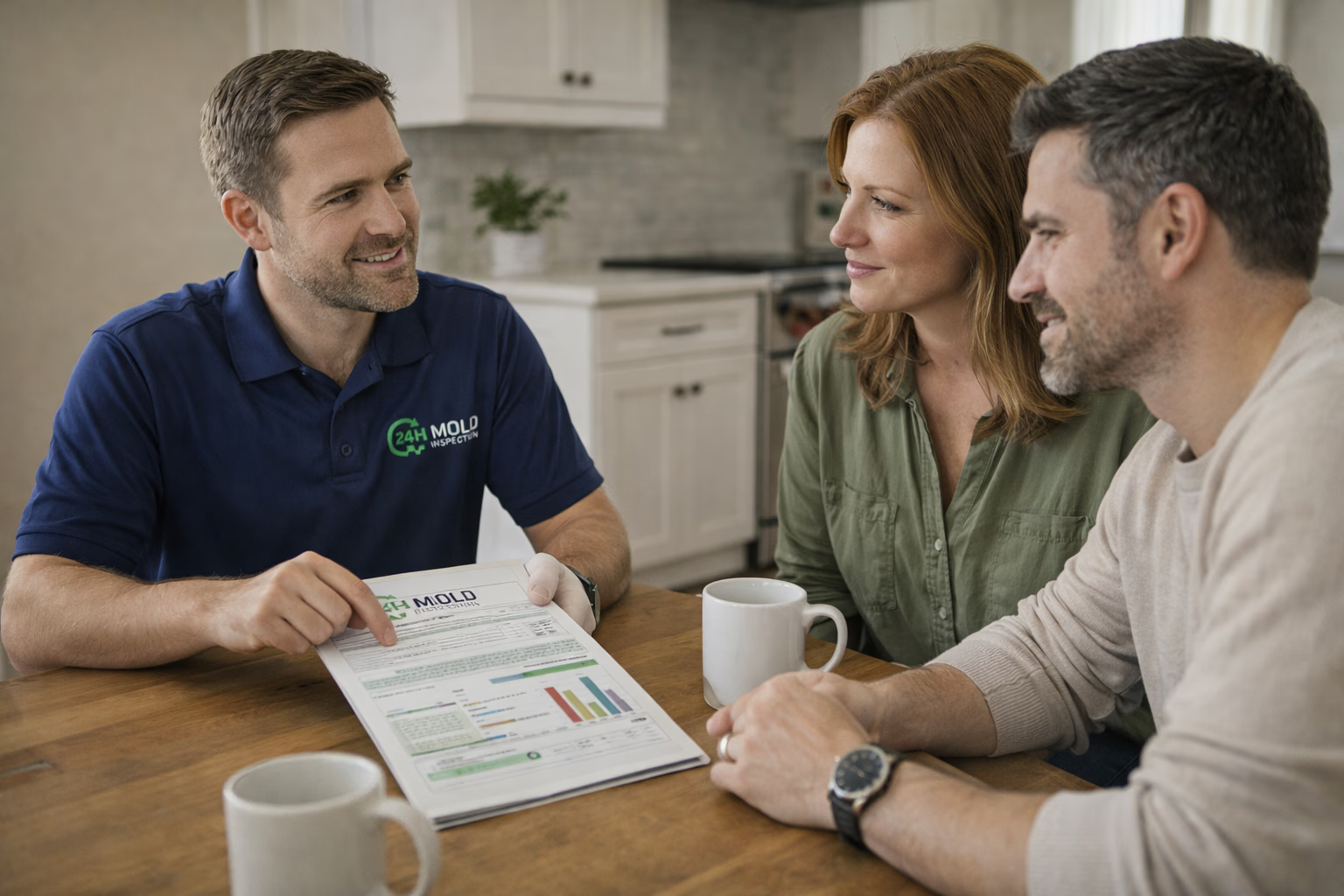
24H Mold Inspection of Long Beach combines local field experience with state-certified methods and lab analysis. Reports get back to you quickly and clearly, with no upsell tacked on to the findings.
We don't stop at surface-level findings. Active leaks, health symptoms, post-remediation work, and pre-purchase due diligence each call for a different inspection approach. Our certified mold inspectors guide you through the specific situation rather than running a generic checklist.
Strengths
We check every box, then go further. Book your inspection today
Licensed inspectors with proven field experience in Long Beach.
FLIR thermal cameras, calibrated moisture meters, and lab-verified sampling.
Straightforward updates and honest reporting throughout the process.
5.0 stars from 70+ Long Beach homeowners and businesses.
Testimonials
Thousands of Long Beach property owners have come to us for reliable, detailed mold assessments
First company I called was a no-show. So annoying. Then I saw a coupon for 24H Mold Inspection of Long Beach. Kevin came out the next day for our Norwalk house, which was perfect since I have kids and work. He was very kind and the mold inspection was thorough. Glad I switched and found a certified mold inspector near Norwalk. Kevin was awesome. No drama, just good work that day...
G'niya B.
5 Step Process
Choose a date and time that fits your schedule.
Flexible scheduling means same-day and next-day appointments are usually available, with 24/7 emergency response when the situation needs it.
Our certified mold inspectors assess every mold-prone area.
We walk the property identifying visible mold and moisture issues, using thermal imaging and moisture meters to catch what's hidden behind walls and under flooring.
Air and surface samples collected for lab analysis.
Our certified mold inspectors collect targeted samples from key areas to find mold spores both visible and hidden, with sample sites documented on a property map.
Lab testing returns precise results.
Samples go to a state-certified lab for detailed analysis identifying mold species and contamination levels, typically returned within 24 to 72 hours.
Insights and clear next steps from our experts.
You receive a written report with lab results, inspector findings, and specific recommended action steps to resolve any mold issues safely.
Who We Serve
24H Mold Inspection of Long Beach brings clear answers to HOAs, hotels, commercial buildings, and homes through certified mold inspection and testing services.
Arthur Parson began laying out Naples in 1903 on ground dredged from Alamitos Bay, cutting the Rivo Alto Canal and the smaller channels that still ring the island's three sections. Houses sit at grade behind seawalls approaching a century old, and the city has been replacing them in phases because the originals leak, tilt, and let bay water through the joints. Winter king tides push water over the walk and into garages and lower rooms, and the water table beneath these lots is close enough to the surface that slab edges and lower wall framing never fully dry between events. Boat slips, dock doors, and at-grade patios add openings no inland house has.
Belmont Shore and the Peninsula are largely made ground — sand dredged out of Alamitos Bay in the 1920s and spread to create the lots the beach cottages went up on. The city still trucks a protective sand berm onto the Peninsula every winter to hold back high tides, which describes the indoor situation fairly well too: shallow groundwater below, wind-driven rain off the water, and salt air that works fasteners and flashing loose. The dense 1920s cottages and courtyard apartments here were built with crawl spaces close to the sand and no cavity insulation or vapor retarder of any kind, and decades of second-story additions have left roof-to-wall transitions doing work they were never detailed for.
Downtown is what got rebuilt after March 10, 1933, when a magnitude 6.4 on the Newport-Inglewood fault dropped much of the city's unreinforced brick into the street. What stands now is layered: 1920s survivors like the Villa Riviera on Ocean Boulevard, 1930s replacement construction, later high-rise condos, and masonry commercial buildings converted to lofts. Mid- and high-rise buildings move water differently than houses do — a failed riser or a leaking window wall on the tenth floor travels down through several units before anyone sees a stain, and shared corridors, trash chutes, and podium garages hold humidity year-round. Add a waterfront that keeps overnight humidity high and the drying a stucco house gets simply does not happen here.
Shell's Alamitos No. 1 came in on Signal Hill in June 1921 and opened one of the most productive oil fields per acre in the world. Signal Hill incorporated as its own city three years later to keep the revenue, and it remains an island entirely surrounded by Long Beach. Pumping units still stand between houses, and hilltop townhome tracts sit on remediated well parcels with cut-and-fill slopes and retaining walls behind them, so the ground here drains nothing like the flat city below. Down in the harbor, extraction from the Wilmington field sank the land as much as 29 feet before water injection halted it in 1958, and the cracked slabs and broken laterals that settlement left behind are still finding water.
Inland Long Beach reads as three eras stacked on one another. Wrigley runs alongside the Los Angeles River channel, concrete since the 1938 flood, on a tract named for the chewing-gum magnate who bankrolled it early in the last century. California Heights and Bixby Knolls hold 1920s and 1930s Spanish Revival and Craftsman homes on raised foundations, with the 1844 Rancho Los Cerritos adobe still sitting among them. North Long Beach is post-war tract housing plus early public housing, including Carmelitos from 1939. Los Altos and the El Dorado side went up in the early 1950s alongside Lakewood next door — slab-on-grade with the ducting in the attic. Crawl space dampness and aging galvanized plumbing dominate the older half; slab leaks and condensate overflow dominate the newer.
Google Search
Add 24H Mold Inspection as a preferred source so our pages are easier to spot in your Google results.
Contact
Tell us what's going on and we'll respond the same day
Location
24H Mold Inspection of Long Beach
Phone
(562) 800-7969Hours
Service area neighborhoods
Newsletter
Monthly notes from our inspectors on prevention and air quality.