
24H Mold Inspection
Glendale24/7 EMERGENCY(747) 667-4022
HomeOur ServicesMold Inspection
our services

Mold Inspection

Advanced moisture detection and infrared technology—so you can act before it spreads.

About

Why Mold Inspection Matters

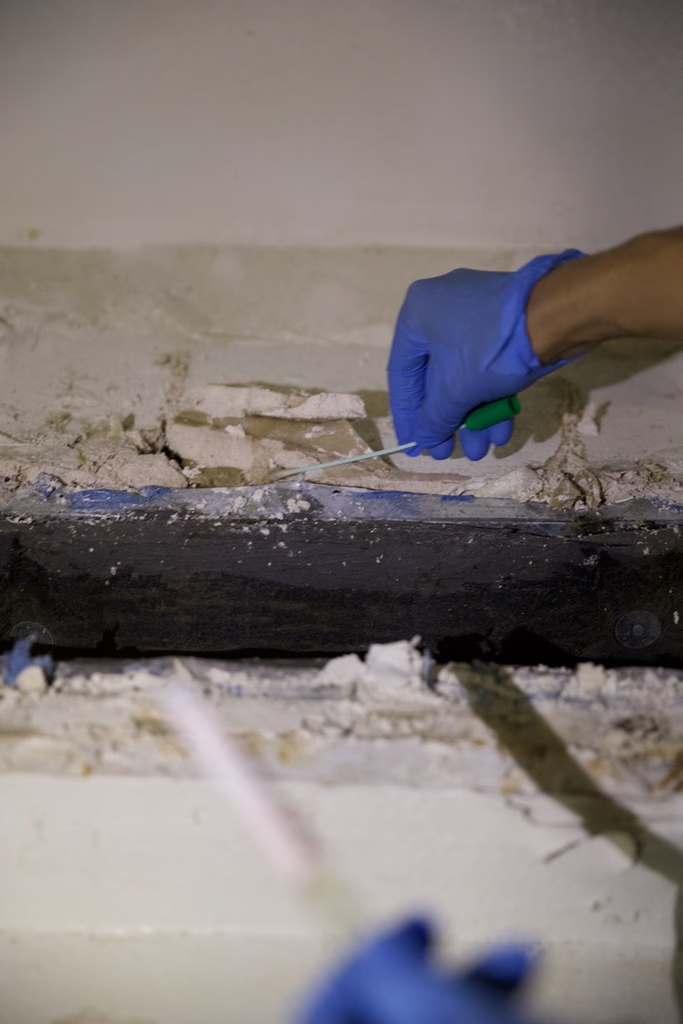
Mold often hides behind walls or under flooring. Our inspection process is designed to catch both the obvious and the invisible—before they become costly repairs or health concerns.

  • Detect visible mold
  • Locate the source of moisture that feeds it
  • Identify which areas need testing or remediation
  • Get peace of mind after leaks or before buying property
Why Mold Inspection Matters

Methodology

How our mold inspectors inspect

We combine certified field experience with calibrated detection tools
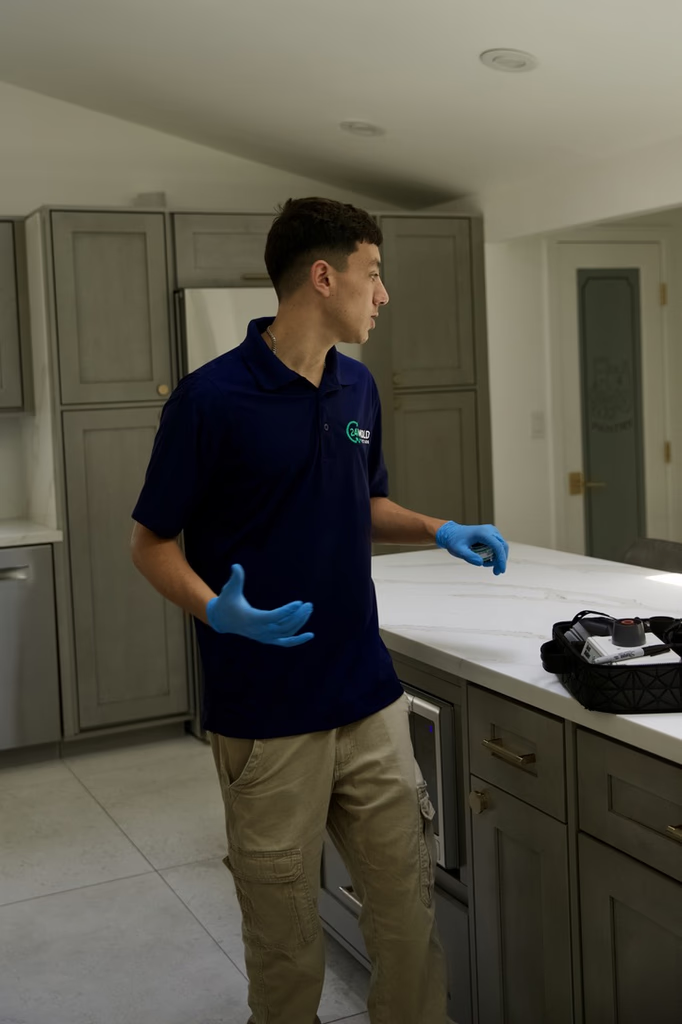
Every job starts with a structured walkthrough of high-risk areas: bathrooms, kitchens, attics, basements, crawl spaces, and around any plumbing, windows, or HVAC components. The inspector documents visible growth, stains, warping, and other physical signs as they go.

Mold doesn't grow without water, so finding the moisture is half the work. Pin and pinless moisture meters measure water content inside walls, ceilings, and flooring materials, locating active leaks and elevated humidity that the eye can't see.

FLIR thermal imaging cameras read temperature differentials behind surfaces, which is how we find wet areas inside walls without opening anything up. Cold spots flag moisture, condensation, and air leaks that often correlate with hidden mold growth.

Mold inspector at work

Checklist

Is an Inspection Right for You?

Mold inspection is ideal if:

  • You've had recent leaks or water damage
  • You notice musty odors in certain rooms
  • You're buying, selling, or managing a property
  • You want to check for mold before testing or remediation
  • You just want peace of mind

Still unsure? Our team will help you decide if an inspection—or testing—is the right first step.

Inspection Overview

Our Inspection Methods

Understand the key methods we use to deliver a complete, thorough mold inspection.

Mold inspection Glendale FAQ

Call For An Inspection
Yes. Glendale's foothill and canyon neighborhoods sit against fire-prone slopes, and after a burn — as the nearby 2009 Station Fire showed — hardened soils shed water fast and debris flows can push mud and runoff into hillside homes. That storm-driven moisture, along with sediment left in crawl spaces and against foundations, can seed mold that surfaces months later. Foothill and canyon properties, especially any that took on mud or runoff, are a priority for moisture assessment after a wet winter.
Often, yes. Many of Glendale's older hillside neighborhoods — Adams Hill, Montecito Park, Verdugo Woodlands, and Chevy Chase Canyon — hold 1900s-to-1920s Craftsman and Spanish Revival homes with raised-foundation crawl spaces, original galvanized plumbing, and plaster walls that predate modern moisture barriers. These systems tend to hide slow leaks and ground moisture for years, so inspections here focus closely on crawl spaces, original plumbing runs, and wall cavities where moisture collects out of sight.
They can be. Downtown Glendale's high-rise condos and apartment buildings rely on large shared HVAC systems and stacked plumbing, so condensation around ductwork and a leak in one unit can spread moisture into neighboring units. Because these problems often develop above ceilings or inside shared walls, they can go unnoticed until mold appears well away from the original source. An independent inspection documents where the moisture actually originates, which matters for both remediation and any claim to the HOA or a neighbor.
It can. The Verdugo Wash and the Los Angeles River tributary system run through Glendale's lower-elevation areas, and properties near these corridors sit closer to the water table and to seasonal storm flows. That raises ground moisture around slabs and crawl spaces, especially during and after heavy winter rains. Homes near these corridors — particularly any with a history of storm-season water — benefit from an inspection focused on slab and crawl-space moisture and the lowest levels of the structure.
Two periods stand out. The winter rainy season, roughly December through March, drives hillside runoff and stucco intrusion, while the long, hot summers push heavy air-conditioning use that can produce condensation inside walls and around ducts. Homes that combine hillside shade with older construction can hold moisture across both seasons, which is why a mid-winter or late-summer check often catches problems while they're still small.

Contact

Book your Glendale mold inspection today

Tell us what's going on and we'll respond the same day

Location

24H Mold Inspection of Glendale

Service area neighborhoods

  • Adams Hill
  • Chevy Chase Canyon
  • Montecito Park
  • Verdugo Woodlands
  • Sparr Heights
  • Downtown Glendale
  • La Crescenta (adjacent)
  • Burbank (adjacent)
Call For Service(747) 667-4022