24H Mold Inspection
Encino24/7 EMERGENCY(818) 854-7550
HomeOur ServicesMold InspectionThermal Imaging
Mold Inspection

Thermal Imaging

Infrared cameras find hidden mold conditions and water damage before any surface stain shows up.

Overview

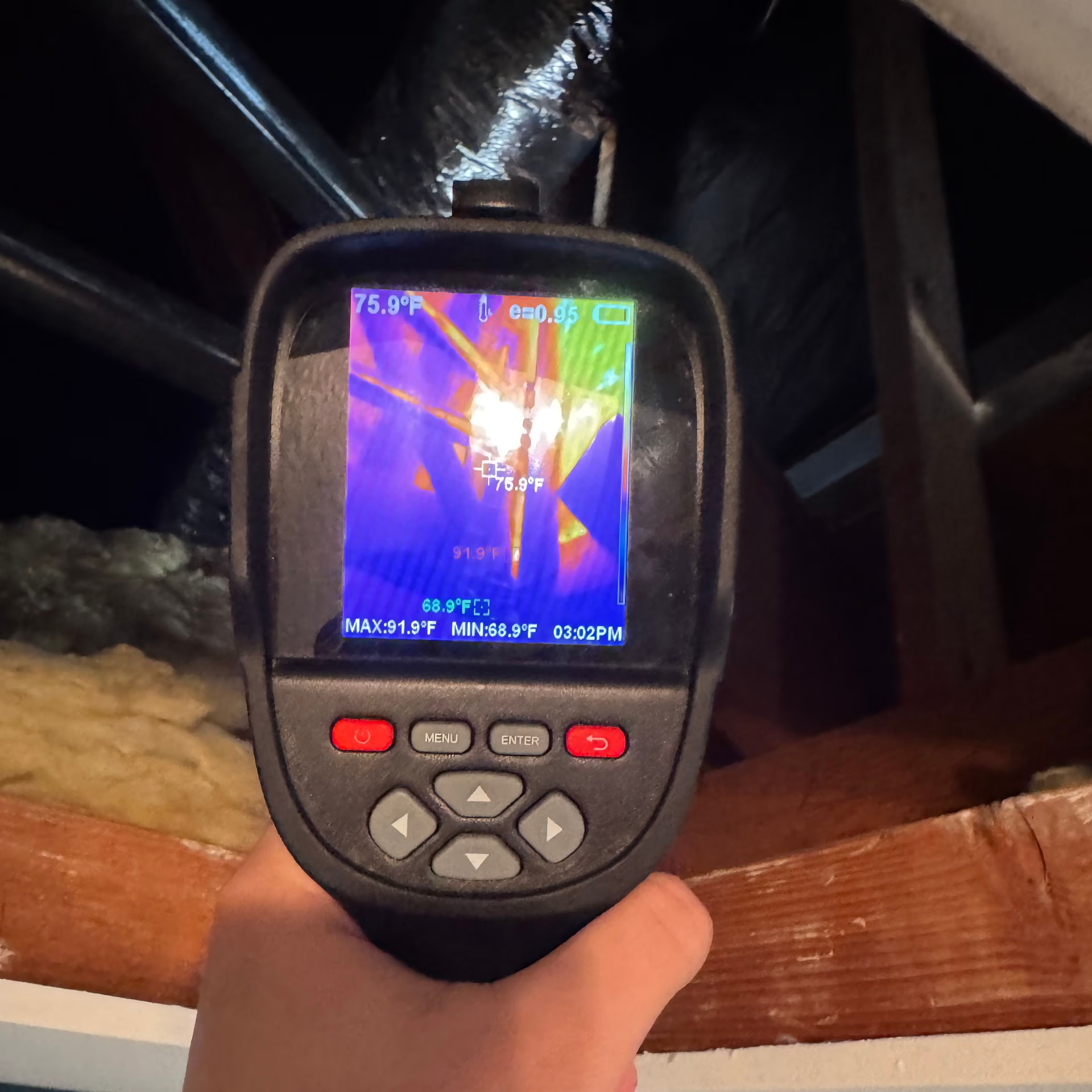
Why infrared thermal imaging finds mold others miss

Mold doesn't always announce itself. A small leak inside a wall, a stretch of failed insulation, or a cold-bridge condensation zone can build mold-friendly conditions for months before any stain reaches the surface. Thermal imaging reveals those conditions while they're still hidden, giving you a chance to address the moisture before mold has spread.

Thermal imaging detects:

  • Hidden moisture inside walls, ceilings, and under floors
  • Active leaks from plumbing, roofing, or HVAC components
  • Insulation gaps and ventilation defects driving condensation
  • Cold spots creating ideal future conditions for mold growth
Why infrared thermal imaging finds mold others miss
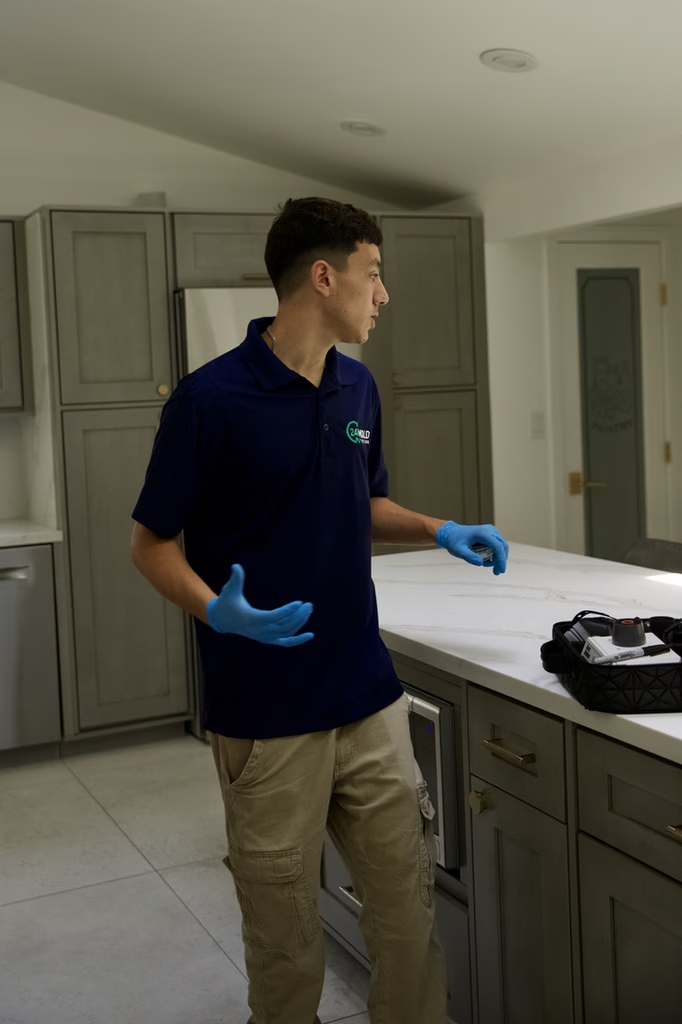
Mold inspector at work

Benefits

What you get from thermal imaging

Find hidden risks early without damaging the property

  • Non-invasive: No drilling, no cutting, no surface damage.
  • Early detection: Catches problems before damage becomes visible.
  • Cost-effective: Targets repairs only where they're needed.
  • Documented findings: Annotated thermal images included in the report.

About

How thermal imaging mold inspection works

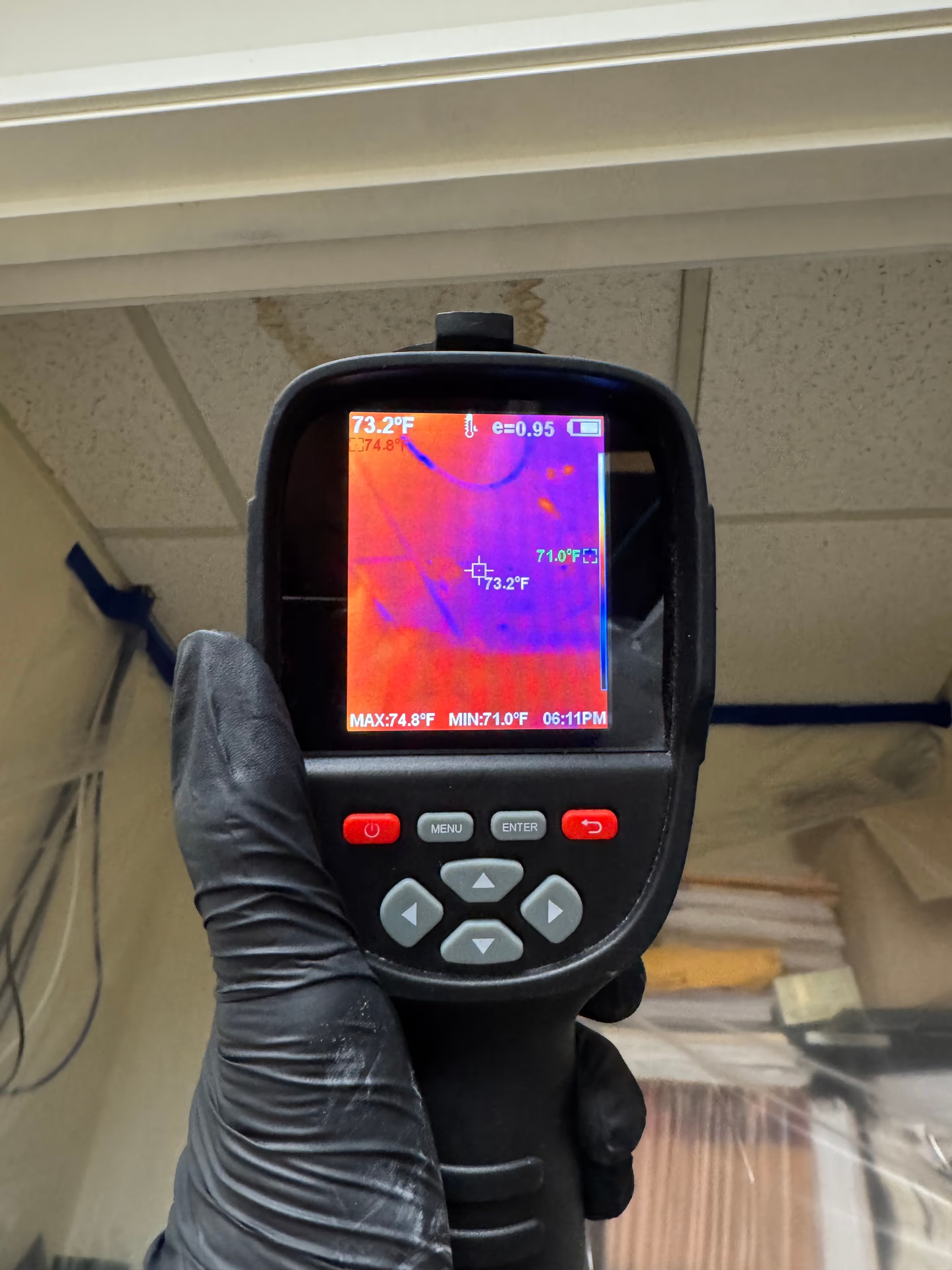
Our certified mold inspectors use FLIR cameras to read temperature differentials across surfaces. Cooler areas often signal water present in the material, even when no surface damage has appeared.

Our process includes:

  • A complete thermal scan of key interior and exterior surfaces
  • Identification of unusual cold or warm patterns in the readings
  • Cross-checking thermal findings with calibrated moisture meters
  • A mold inspection report including the annotated thermal images
How thermal imaging mold inspection works

Mold inspection Encino FAQ

Call For An Inspection
No. 24H Mold Inspection of Encino inspects and tests only, and never performs remediation or removal. On this housing stock that distinction is worth real money. A 5,000-square-foot house in Amestoy Estates or the Encino Hills has multiple zoned systems, long plumbing runs, and finished lower levels, and remediation bids on a property that size swing by tens of thousands of dollars depending entirely on where somebody draws the boundary of the affected area. When the company drawing that boundary is the company billing for the demolition, the incentive is obvious. What we produce is the diagnosis: what is growing, which moisture source feeds it, how far it extends behind the finish, and lab confirmation of the samples. That becomes a written scope three remediation contractors can bid against on identical terms. When the work is finished, we can return for independent verification, which is the document insurers and buyers actually want.
The whole community, on both sides of the boulevard. That means Amestoy Estates, Royal Oaks, Rancho Estates, the Balboa district and the flats north toward the basin, the Ventura Boulevard corridor, and the hillside streets through Encino Hills, Lake Encino, and up to the Mulholland ridge. The two halves need different inspections, so it helps to say which one you are on when you call. Several neighbors have their own 24H Mold Inspection page written around their own building stock and drainage: for property in Tarzana, Sherman Oaks, Van Nuys, Reseda, Northridge, or Valley Glen, start on that city's page instead. Scheduling here usually runs same day or next day, and we answer emergency calls around the clock, which is what a slab leak found on a Saturday or a hillside wall taking water at midnight actually requires. If your address sits near a boundary, call the number here and we will route it.
Call while the water is still there, because the first 48 hours decide how much of this becomes a mold problem at all. Mold needs roughly a day or two of sustained moisture to establish on wet building material, so the window between a failure and visible growth is short and it is the window worth using. Shut off the source, get standing water out, and leave the wet materials in place rather than cutting them out before anyone has documented the extent. In Encino the two failures that generate most of these calls are a slab leak under a 1950s flats house, where the first sign is a warm spot on the floor or a water bill nobody can explain, and a hillside lower level taking water laterally after a storm. We inspect at any hour, including weekends and nights. Photograph everything before you touch it, since insurers ask for the condition at discovery, not after the cleanup started.
More than most people expect, three decades on. The January 17, 1994 epicenter sat a few miles northwest of here, and the shaking through Encino cracked stucco, sheared roof tiles, broke slabs, and displaced foundations across the flats and the hillsides alike. The repairs that followed were made in enormous volume and under enormous time pressure, and the envelope work in particular — stucco patching, re-roofing, chimney rebuilds, window replacements — is now itself thirty years old and was often done without the flashing or drainage details a permitted job would carry today. A hairline crack in a patched stucco field admits very little water per storm and does it for thirty years into the same wall cavity. If your house predates 1994 and has never had the stucco or the roof looked at since the repairs, that is the assessment to schedule, and moisture readings around the repaired areas are where it should start.
Leave it alone, which is the opposite of most people's instinct. Do not scrub it, bleach it, or cut it out: disturbing growth throws spores through the rest of the house and destroys the evidence needed to scope a cleanup or support a claim. Close the room and shut down the HVAC. That matters more here than in smaller housing, because Encino homes commonly run two or three zoned systems with ducts through the attic, and one return can distribute spores through a whole wing in minutes. Dark growth is often a common species such as Cladosporium or Aspergillus rather than Stachybotrys, and nobody can tell them apart by eye, so a surface sample for identification plus air samples for spread is what turns a guess into a plan. Then find the water. In the hillside neighborhoods it is usually lateral, arriving behind a retaining wall or under a pad, not falling from above.
Not in the way the phrase implies, and the distinction is worth knowing before you hire anyone. California does not license mold inspection or remediation as its own trade — the 2001 Toxic Mold Protection Act directed the state to set permissible exposure limits and it never did — so nobody holds a state mold license and there is no legal threshold number to test a result against. What exists is third-party certification for the inspector, general liability coverage, a contractor's license for whoever performs physical repair work, and the question of whether the company testing your property also sells the removal. Ask for certification numbers and a straight answer on that last point. What separates a real assessment from a walkthrough here is method: water history first, then moisture meters and thermal imaging, then entry into attics and sub-areas, and sampling only where the walkthrough justifies it, always with an outdoor control taken the same day.
Yes, and it is the fastest-growing category of work in this area. The spec houses replacing the old ranch homes on the flats are built with finished below-grade levels — theaters, gyms, wine rooms, elevator pits — on a valley floor where the springs that made this a rancho site are evidence of how close the water table runs in places. A below-grade level here depends entirely on waterproofing membrane, a perimeter drain, and a sump that works, and none of those are visible once the drywall goes up. New construction adds a second issue: framing that got rained on before the building was dried in, then closed up behind finishes on a tight schedule. If you are buying a recently completed house, the below-grade level is where the inspection should start, and ask the builder for the waterproofing and drainage details before you close.

Contact

Book your Encino mold inspection today

Tell us what's going on and we'll respond the same day

Location

24H Mold Inspection of Encino

Service area neighborhoods

  • Amestoy Estates
  • Encino Hills
  • Lake Encino
  • Royal Oaks
  • Rancho Estates
  • Ventura Boulevard corridor
  • Balboa district
  • Mulholland area
Call For Service(818) 854-7550