24H Mold Inspection
El Monte24/7 EMERGENCY(626) 747-7122
HomeOur ServicesMold Testing
our services

Mold Testing

State-certified testing that spots hidden mold—so you can act early, stay safe, and avoid costly repairs.

About

Why Mold Testing Matters

Mold isn't always visible. It hides in air vents, under floors, and inside walls. The only way to know what you're breathing—or what's spreading—is through lab-grade testing.

  • —Identify mold species and spore levels
  • —Detect hidden growth in "clean" areas
  • —Assess the health risk to occupants
  • —Decide on the right next steps
Why Mold Testing Matters

Methodology

How our mold testing works

The three sampling methods we use, chosen for what your property is showing
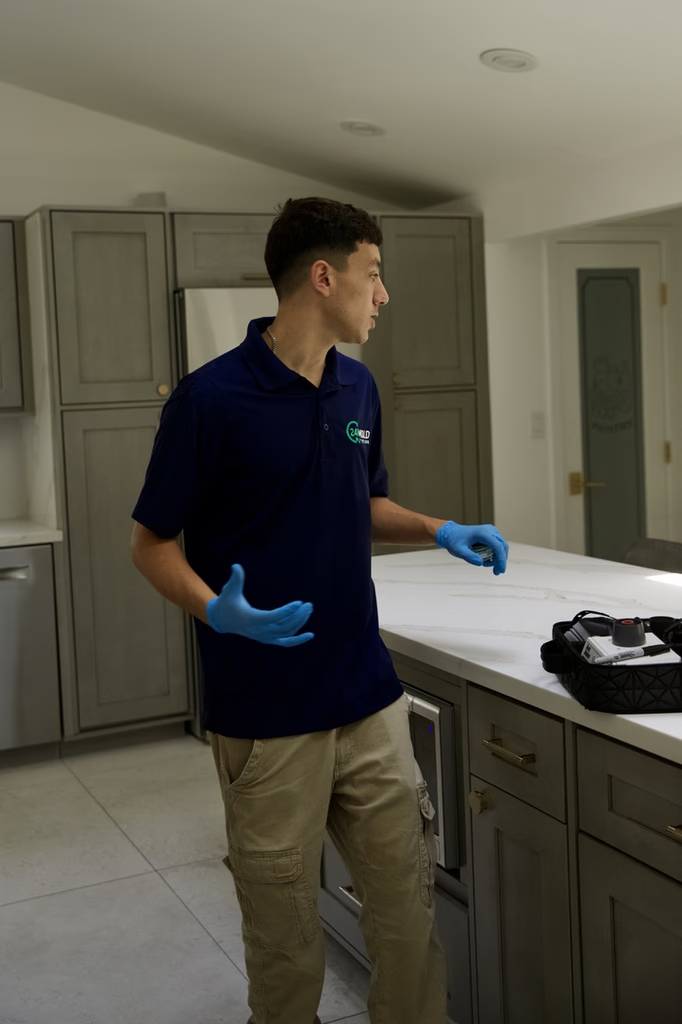
Sterile swabs and clear adhesive tape collect mold from visible spots on dry surfaces, giving the lab a clean sample for species identification. Suitable for walls, ceilings, baseboards, and furniture where the residue is what you're checking.

For damp or recently water-damaged areas, the sampling approach changes. Wet sampling captures live, actively growing colonies that dry methods underrepresent, which matters under flooring, behind tile, and around recent leaks.

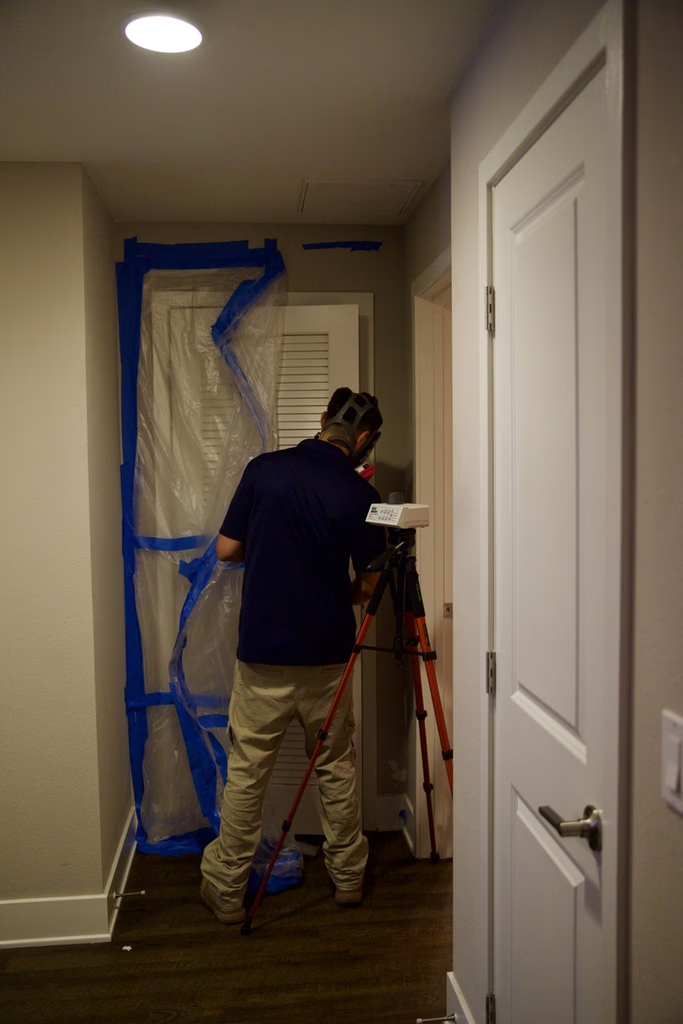
A calibrated pump pulls a controlled volume of air through a spore trap cassette, capturing viable and non-viable spores from the breathing zone. The lab counts species and compares concentrations to outdoor levels, telling you whether your indoor air is healthy.

Mold inspector at work

Checklist

Is Testing Right for You?

Mold testing is ideal if:

  • —You suspect mold but can't see it
  • —You've had water damage
  • —Residents or tenants are reporting health symptoms
  • —You're buying, selling, or managing a property
  • —You need peace of mind after remediation

Still unsure? Let's talk. We'll help you decide which method suits your case best.

Testing Overview

Our Testing Methods

Techniques we use to collect accurate mold samples from air and surfaces.

1Air Testing

Collects airborne mold spores to assess air quality and detect hidden contamination.

2Tape Testing

Lifts mold samples from surfaces using clear adhesive—quick and non-destructive.

3Swab Testing

Gathers samples from damp or textured areas to identify active mold growth.

Mold inspection El Monte FAQ

Call For An Inspection
El Monte's older housing, from early-century bungalows to postwar ranch homes, is now 65 to over 100 years old, and original systems are failing together. Galvanized supply lines corrode from the inside and leak at fittings behind walls, raised foundations over crawl spaces predate vapor barriers, and bath fans often exhaust into the attic. Small lots and close spacing mean drainage from one property can load moisture against a neighbor. Thermal imaging and moisture meters find hidden moisture inside walls and crawl spaces that a visual check misses.
It can. Lots in the lower blocks nearest the flood-control channels sit closer to the regional water table, so ground moisture against slab edges and foundations stays elevated through the wet season. That does not mean every nearby home has a problem. It means an inspection should record moisture at slab edges, along exterior walls, and in any crawl space, and compare those readings with drier parts of the property.
Clay swells when wet and shrinks as it dries, which cracks slab edges and opens expansion joints. The same clay holds water against foundations long after a storm, and since the area rarely freezes, that moisture can support mold year-round. An inspection looks for moisture at cracks, slab edges, and exterior walls, and identifies whether the source is soil moisture, plumbing, or the roof.
It is one of the more consistent findings. Higher occupancy keeps indoor humidity elevated, attic-venting bath fans and single-pane windows add to it, and repairs deferred between tenancies let slow leaks run. California's implied warranty of habitability requires landlords to keep rentals free of conditions that materially affect health. An independent report with lab-verified findings documents the condition at a point in time and carries no financial interest in the outcome.
Yes, particularly for homes from the early 1900s through the 1960s. The inspection covers thermal imaging for behind-wall moisture, slab and crawl-space readings, attic ventilation, and air or surface sampling where growth is suspected. For duplexes and attached units, it also documents whether a moisture source sits in a shared system. Independent documentation before closing protects you from inheriting a slow problem that a standard home inspection often flags only as a stain or a smell.
Our El Monte team covers the whole city, including the historic downtown, the residential tracts, and the areas along the San Gabriel River, with same-day and next-day appointments and 24/7 emergency response. South El Monte has its own 24H Mold Inspection page with a local team. If your property is in South El Monte, start with that page. If you are not sure which page fits your address, call the number on this page and we will point you to the right team.
The inspection is the diagnosis. We map moisture with thermal imaging and meters, identify the source, and send samples to an accredited lab, then deliver a written report with the extent of growth, the cause, and a defined scope. The cleanup is done by a separate remediation contractor, because we perform inspection and testing only. Once the work is done, we can return for independent post-remediation verification.

Contact

Book your El Monte mold inspection today

Tell us what's going on and we'll respond the same day

Location

24H Mold Inspection of El Monte

Hours

  • MondayOpen 24 hours
  • TuesdayOpen 24 hours
  • WednesdayOpen 24 hours
  • ThursdayOpen 24 hours
  • Friday6 AM – 6 PM
  • SaturdayClosed
  • SundayOpen 24 hours

Service area neighborhoods

  • El Monte
  • South El Monte
  • North El Monte
  • Arcadia (adjacent)
  • Rosemead (adjacent)
  • Baldwin Park (adjacent)
  • Temple City (adjacent)
  • Monrovia (adjacent)
Call For Service(626) 747-7122