24H Mold Inspection
Compton24/7 EMERGENCY(310) 731-0289
HomeOur ServicesMold TestingSwab Testing
Mold Testing

Swab Testing

Mold swab testing handles the textured, damp, and irregular surfaces where mold often grows without any visible sign.

Overview

Why mold swab testing matters

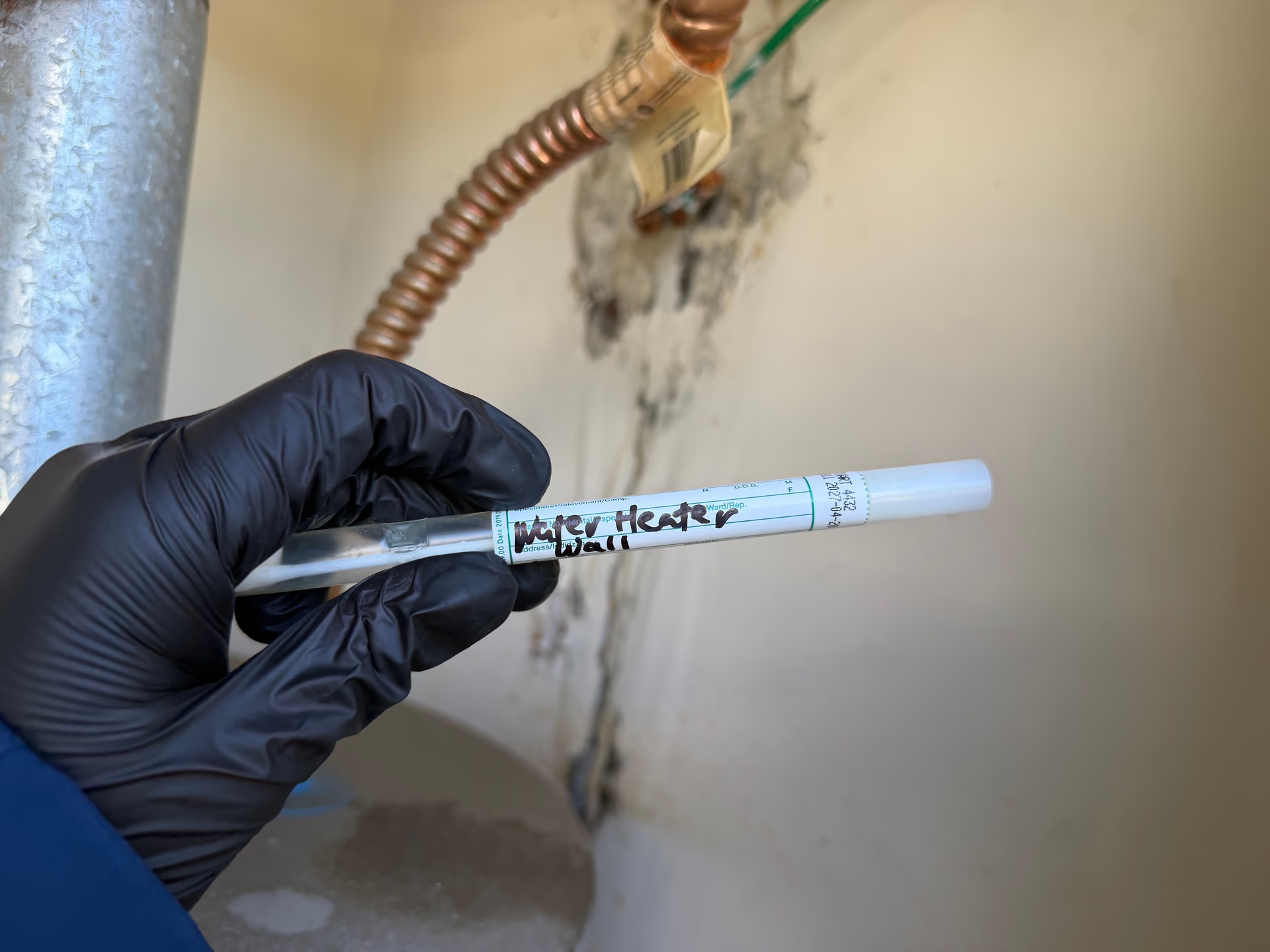
Mold grows in damp areas without always showing on the surface. Swab testing detects microbial growth on materials that are soft, porous, or moisture-prone, and is the right approach after water damage or in spaces that resist visual inspection.

Mold swab testing detects:

  • —Hidden mold on porous or textured materials
  • —Growth in damp spots like under sinks or around HVAC
  • —Contamination on organic materials including wood and fabric
  • —Mold that visual inspection alone tends to miss
Why mold swab testing matters
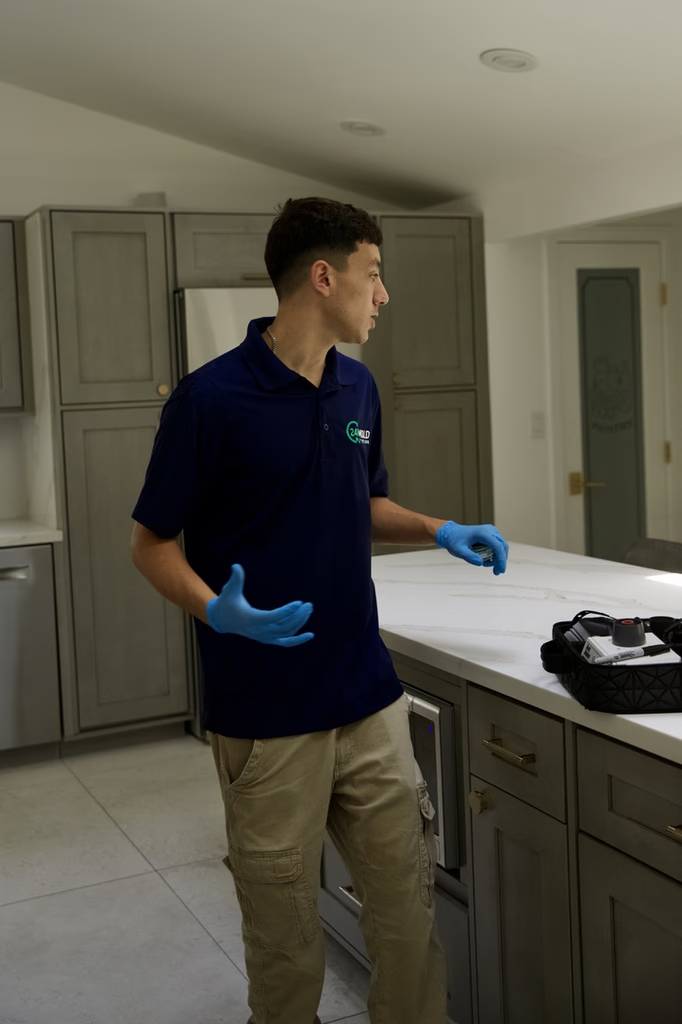
Mold inspector at work

Benefits

What you get from swab testing

A flexible method for hard-to-sample surfaces

  • —Moisture-ready: Designed for damp and water-damaged materials.
  • —Flexible: Handles uneven, porous, and irregular surfaces.
  • —Confirmatory: Validates mold presence in hidden or subtle areas.
  • —Lab-backed: Lab-verified results with species identification.

About

How mold swab testing works

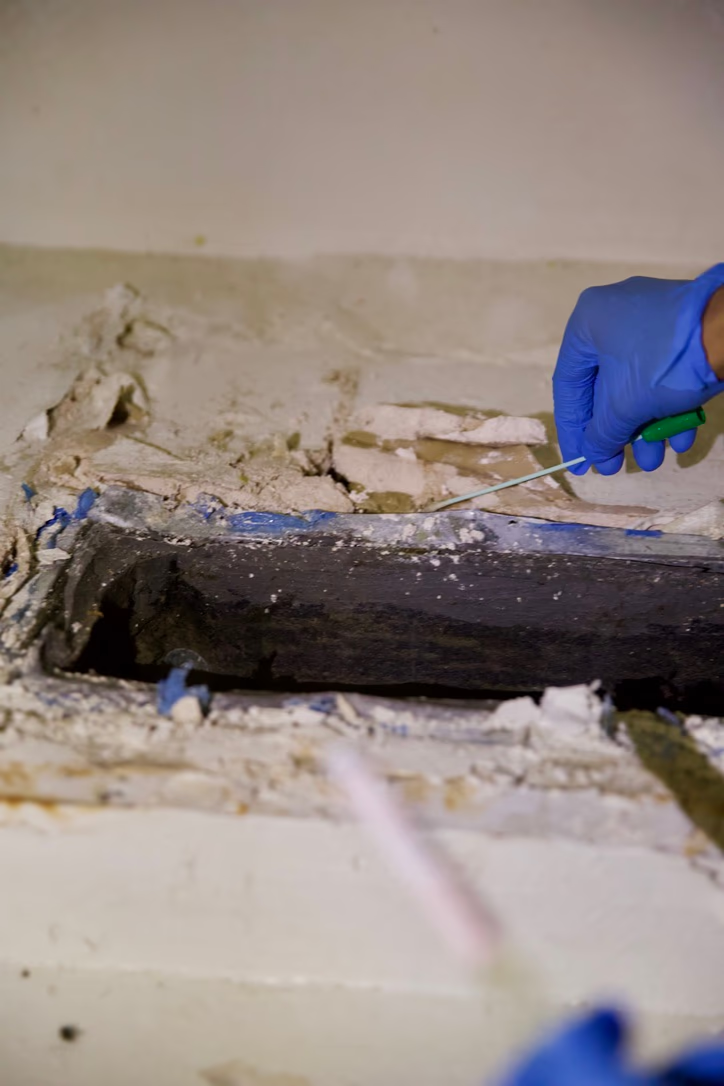
Our certified mold inspectors gently rub a sterile swab across the suspect area to collect a sample, then seal it and send it to a state-certified lab for mold species identification and contamination level.

Our process includes:

  • —Sterile collection from textured surfaces and porous materials
  • —Coverage of damp surfaces and hard-to-reach spots
  • —Lab work returning spore counts and lab-verified results
  • —A mold inspection report with clear next steps
How mold swab testing works

Mold inspection Compton FAQ

Call For An Inspection
Compton's oldest housing is now 70 to 80 years old, and its original systems are failing together. Galvanized supply lines corrode from the inside and leak at fittings behind walls, raised foundations over crawl spaces predate vapor barriers, and original bath fans often exhaust into the attic. Because the lots are small and the homes sit close together, drainage from one property can load moisture against its neighbor. Thermal imaging and moisture meters find hidden moisture in walls and crawl spaces that a visual check misses.
It can. Lots in the lower blocks nearest the flood-control channels sit closer to the regional water table than higher interior blocks, so ground moisture against slab edges and foundation walls stays elevated through the wet season. That does not mean every nearby home has a problem. It means an inspection should record moisture at slab edges, along exterior walls, and in any crawl space, and compare those readings with drier parts of the property.
Clay soil swells when wet and shrinks as it dries, which cracks slab edges and opens expansion joints. The same clay holds water against foundations long after a storm has passed, and in a climate that rarely freezes, that moisture can support mold year-round. A hairline crack that admits water in winter can keep a wall damp into spring. An inspection looks for moisture at cracks, slab edges, and exterior walls, and identifies whether the source is soil moisture, plumbing, or the roof.
It is one of the more consistent findings in rental housing. Higher occupancy keeps indoor humidity elevated, attic-venting bath fans and single-pane windows add to it, and repairs deferred between tenancies let slow leaks run. California's implied warranty of habitability requires landlords to keep rentals free of conditions that materially affect health. An independent report with lab-verified findings documents the condition at a point in time. It either confirms a problem and defines the fix or shows the unit met habitability standards, and it carries no financial interest in the outcome.
Yes, particularly for homes from the 1940s through the 1960s. The inspection covers thermal imaging for behind-wall moisture, slab and crawl-space moisture readings, attic ventilation, and air or surface sampling where growth is suspected. For duplexes and small multifamily properties, it also documents whether a moisture source sits in a shared system. Independent documentation before closing protects you from inheriting a slow problem that a standard home inspection often flags only as a stain or a smell.
Our Compton team covers the whole city, including the central residential blocks, the areas along the Dominguez Channel and Compton Creek, and the commercial corridors, with same-day and next-day appointments and 24/7 emergency response. Long Beach has its own 24H Mold Inspection page with a local team. If your property is in Long Beach, start with that page. If you are not sure which page fits your address, call the number on this page and we will point you to the right team.
The inspection is the diagnosis. We map moisture with thermal imaging and meters, identify the source, and send samples to an accredited lab, then deliver a written report with the extent of growth, the cause, and a defined scope. The cleanup is done by a separate remediation contractor, because we perform inspection and testing only. That separation matters in Compton's rental housing, where the party paying for the repair needs documentation with no financial interest in the outcome. Once the work is done, we can return for independent post-remediation verification.

Contact

Book your Compton mold inspection today

Tell us what's going on and we'll respond the same day

Location

24H Mold Inspection of Compton

Address

2251 W Rosecrans Ave #22, Compton, CA 90222

Hours

  • MondayOpen 24 hours
  • TuesdayOpen 24 hours
  • WednesdayOpen 24 hours
  • ThursdayOpen 24 hours
  • Friday6 AM – 6 PM
  • SaturdayClosed
  • SundayOpen 24 hours

Service area neighborhoods

  • Richland Farms
  • Downtown Compton
  • Sunny Cove
  • Rosewood
  • Wilmington Avenue corridor
  • Compton Boulevard district
  • East Compton vicinity
  • Alondra Boulevard corridor
Call For Service(310) 731-0289