24H Mold Inspection
Carson24/7 EMERGENCY(310) 731-0282
HomeOur ServicesMold InspectionThermal Imaging
Mold Inspection

Thermal Imaging

Infrared cameras find hidden mold conditions and water damage before any surface stain shows up.

Overview

Why infrared thermal imaging finds mold others miss

Mold doesn't always announce itself. A small leak inside a wall, a stretch of failed insulation, or a cold-bridge condensation zone can build mold-friendly conditions for months before any stain reaches the surface. Thermal imaging reveals those conditions while they're still hidden, giving you a chance to address the moisture before mold has spread.

Thermal imaging detects:

  • —Hidden moisture inside walls, ceilings, and under floors
  • —Active leaks from plumbing, roofing, or HVAC components
  • —Insulation gaps and ventilation defects driving condensation
  • —Cold spots creating ideal future conditions for mold growth
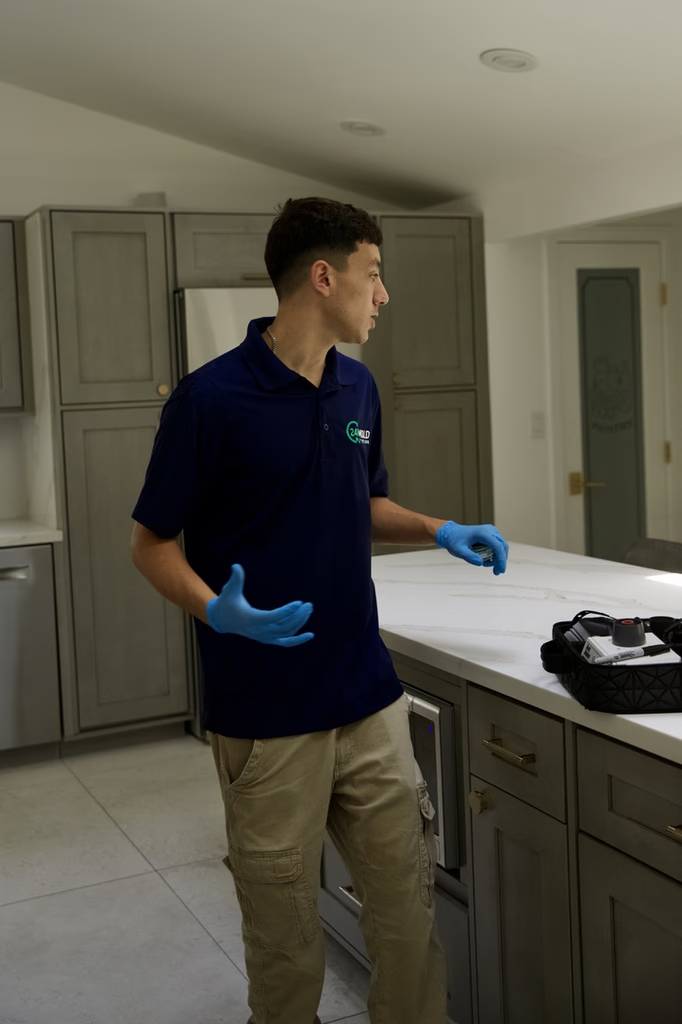
Why infrared thermal imaging finds mold others miss
Mold inspector at work

Benefits

What you get from thermal imaging

Find hidden risks early without damaging the property

  • —Non-invasive: No drilling, no cutting, no surface damage.
  • —Early detection: Catches problems before damage becomes visible.
  • —Cost-effective: Targets repairs only where they're needed.
  • —Documented findings: Annotated thermal images included in the report.

About

How thermal imaging mold inspection works

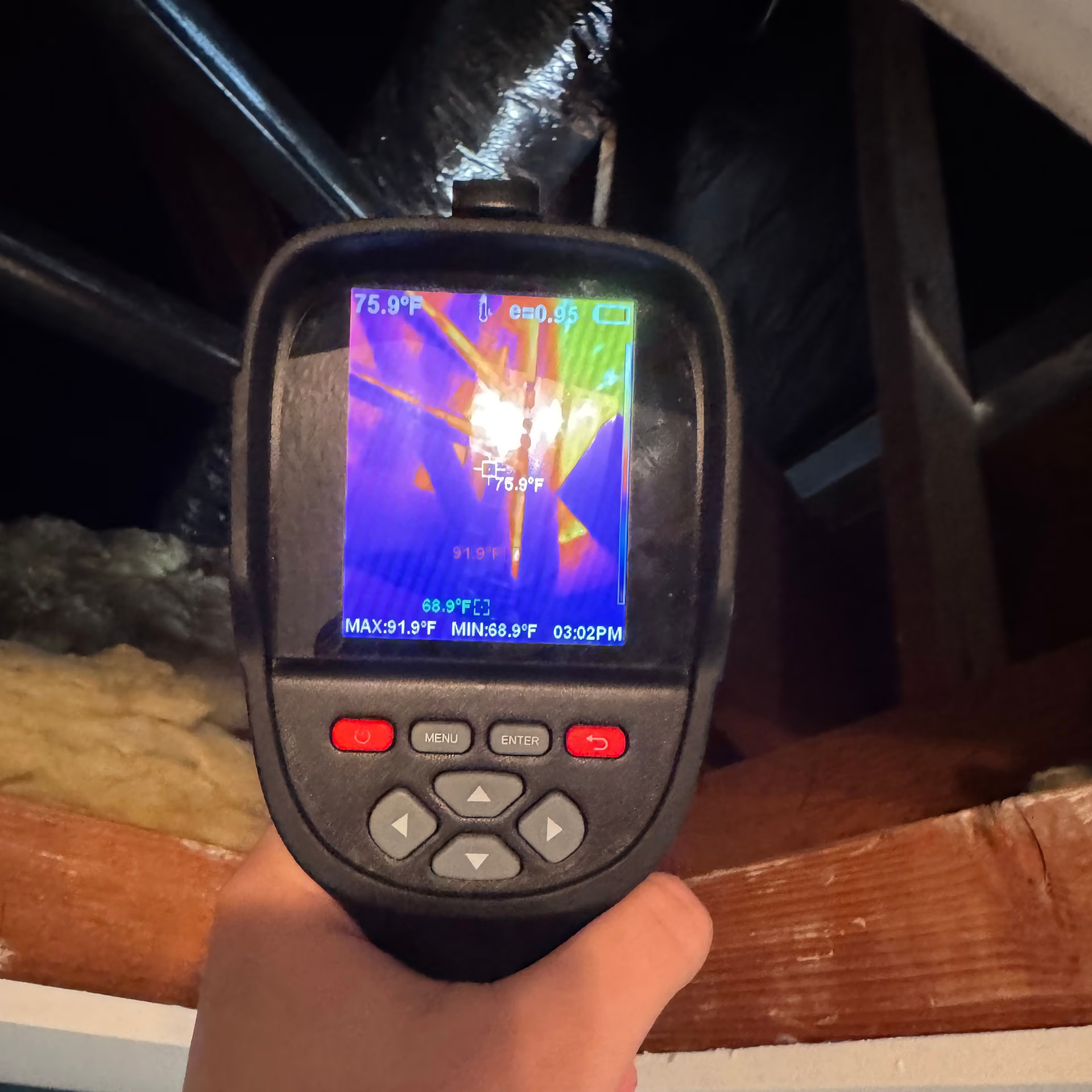
Our certified mold inspectors use FLIR cameras to read temperature differentials across surfaces. Cooler areas often signal water present in the material, even when no surface damage has appeared.

Our process includes:

  • —A complete thermal scan of key interior and exterior surfaces
  • —Identification of unusual cold or warm patterns in the readings
  • —Cross-checking thermal findings with calibrated moisture meters
  • —A mold inspection report including the annotated thermal images
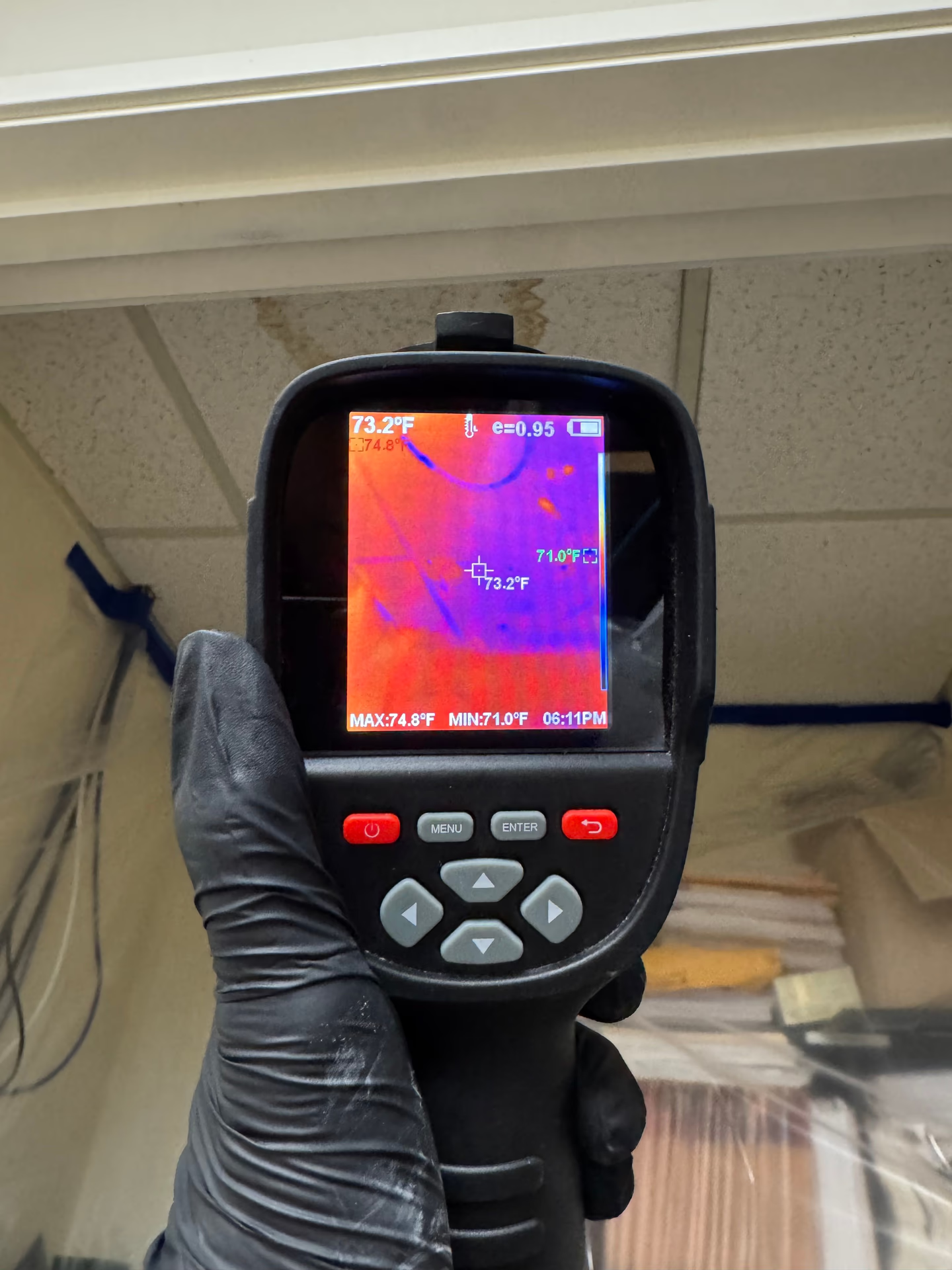
How thermal imaging mold inspection works

Mold inspection Carson FAQ

Call For An Inspection
Carson's postwar housing is now 60 to 70 years old, and original systems are failing together. Galvanized supply lines corrode from the inside and leak at fittings behind walls, slab expansion joints admit ground moisture, and bath fans often exhaust into the attic instead of outdoors. Because whole streets were built to the same plan, the same failure points recur block after block. Thermal imaging and moisture meters find in-wall and under-slab moisture that a visual check misses.
For most homes, mold risk comes from the building: plumbing, roof, ventilation, and drainage. For properties in blocks immediately next to industrial or commercial land, drainage patterns near large paved areas can concentrate runoff toward adjacent lots, which an inspection can document as a moisture source. Soil and environmental conditions, including anything related to nearby landfill or industrial history, are outside mold inspection and belong to a licensed environmental consultant. What we establish is whether moisture is active in the building and where it is entering.
Somewhat. Carson is inland from the coast but still gets marine-layer influence, so mornings are cooler and damper than in inland Southern California. That drives condensation on single-pane windows and cold surfaces inside walls, and attics hold the moisture when ventilation is poor. It is a milder effect than at the beach. In older homes with failing ventilation it adds up over many seasons, which is why an inspection checks attic condition and bath-fan ducting.
It is one of the more consistent findings. In attached buildings, a failed roof section or leaking plumbing stack can show up as mold in a neighboring unit months later. Higher occupancy raises indoor humidity, and repairs deferred between tenancies let slow leaks run. California's implied warranty of habitability requires landlords to keep rentals free of conditions that materially affect health. An independent report with lab-verified findings documents the condition and carries no financial interest in the outcome.
Yes, particularly for 1950s and 1960s homes and for attached units with shared systems. The inspection covers thermal imaging for behind-wall moisture, slab readings at expansion joints, attic ventilation, and air or surface sampling where growth is suspected. For condos and townhomes it also documents whether a moisture condition comes from a shared building system, which affects who pays for repairs. Independent documentation before closing protects you from inheriting a slow problem.
Our Carson team covers the whole city of Carson, California, including the Dominguez Hills area, the residential tracts, and the commercial corridors, with same-day and next-day appointments and 24/7 emergency response. Torrance has its own 24H Mold Inspection page with a local team. If your property is in Torrance, start with that page. If you are not sure which page fits your address, call the number on this page and we will point you to the right team.
The inspection is the diagnosis. We map moisture with thermal imaging and meters, identify the source, and send samples to an accredited lab, then deliver a written report with the extent of growth, the cause, and a defined scope. The cleanup is done by a separate remediation contractor, because we perform inspection and testing only. Once the work is done, we can return for independent post-remediation verification.

Contact

Book your Carson mold inspection today

Tell us what's going on and we'll respond the same day

Location

24H Mold Inspection of Carson

Hours

  • MondayOpen 24 hours
  • TuesdayOpen 24 hours
  • WednesdayOpen 24 hours
  • ThursdayOpen 24 hours
  • Friday6 AM – 6 PM
  • SaturdayClosed
  • SundayOpen 24 hours

Service area neighborhoods

  • Carson Park
  • Dominguez Hills
  • Avalon Village
  • Victoria Park
  • Stevenson Village
  • Central Carson
  • University Heights
  • Sepulveda Boulevard corridor
Call For Service(310) 731-0282