24H Mold Inspection
Canoga Park24/7 EMERGENCY(818) 805-2099
HomeOur ServicesMold InspectionThermal Imaging
Mold Inspection

Thermal Imaging

Infrared cameras find hidden mold conditions and water damage before any surface stain shows up.

Overview

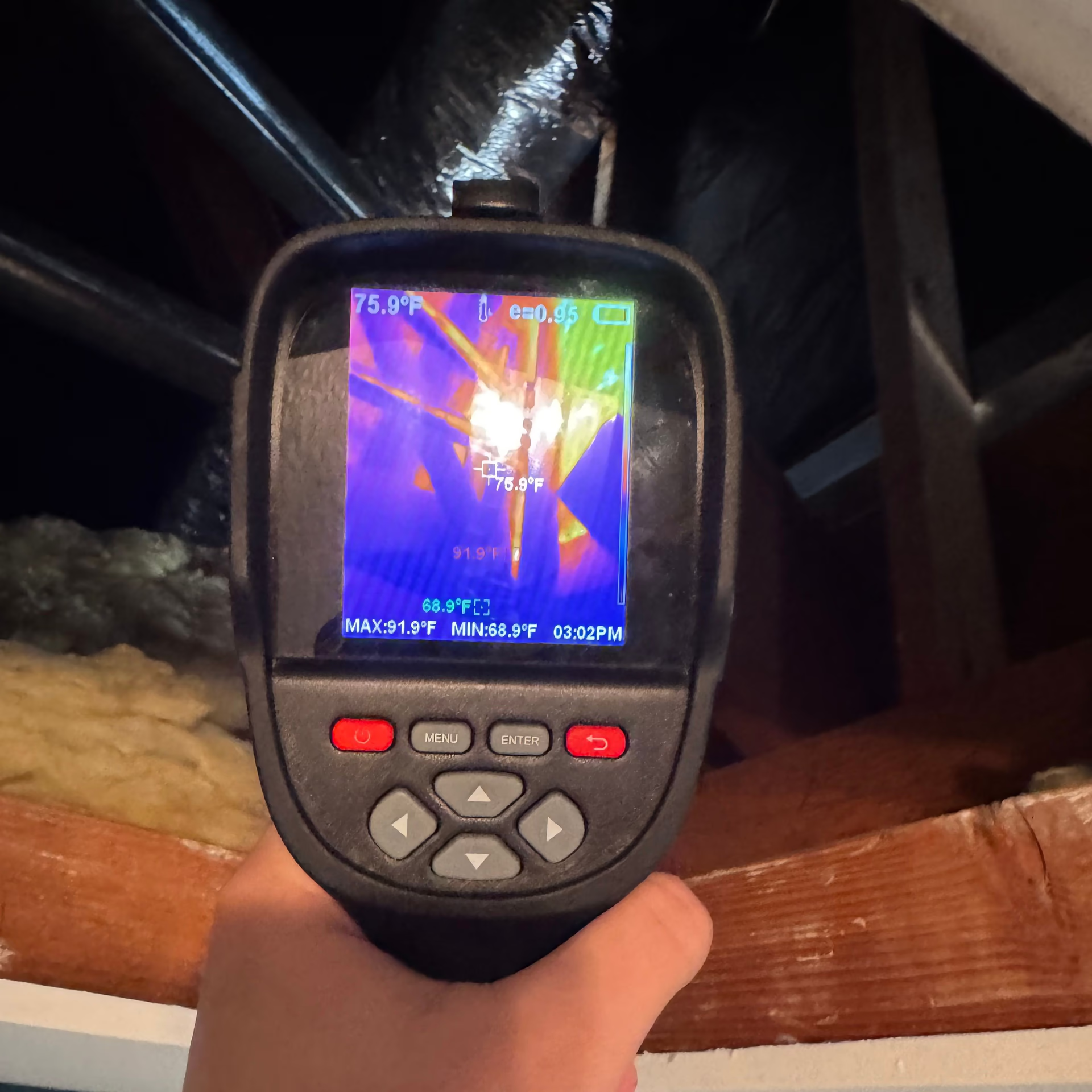
Why infrared thermal imaging finds mold others miss

Mold doesn't always announce itself. A small leak inside a wall, a stretch of failed insulation, or a cold-bridge condensation zone can build mold-friendly conditions for months before any stain reaches the surface. Thermal imaging reveals those conditions while they're still hidden, giving you a chance to address the moisture before mold has spread.

Thermal imaging detects:

  • Hidden moisture inside walls, ceilings, and under floors
  • Active leaks from plumbing, roofing, or HVAC components
  • Insulation gaps and ventilation defects driving condensation
  • Cold spots creating ideal future conditions for mold growth
Why infrared thermal imaging finds mold others miss
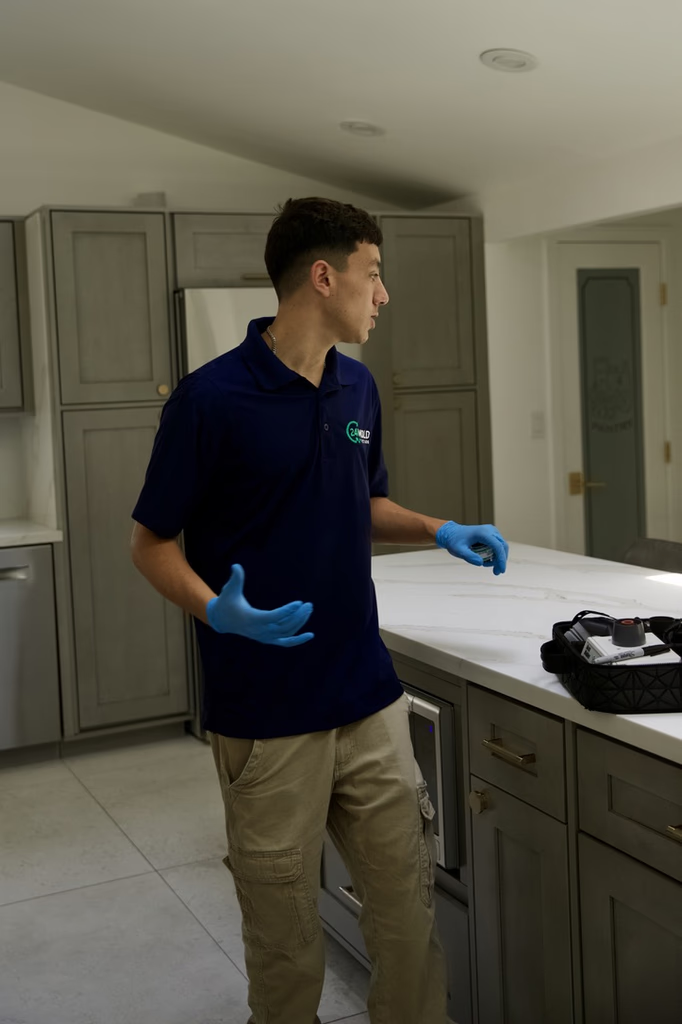
Mold inspector at work

Benefits

What you get from thermal imaging

Find hidden risks early without damaging the property

  • Non-invasive: No drilling, no cutting, no surface damage.
  • Early detection: Catches problems before damage becomes visible.
  • Cost-effective: Targets repairs only where they're needed.
  • Documented findings: Annotated thermal images included in the report.

About

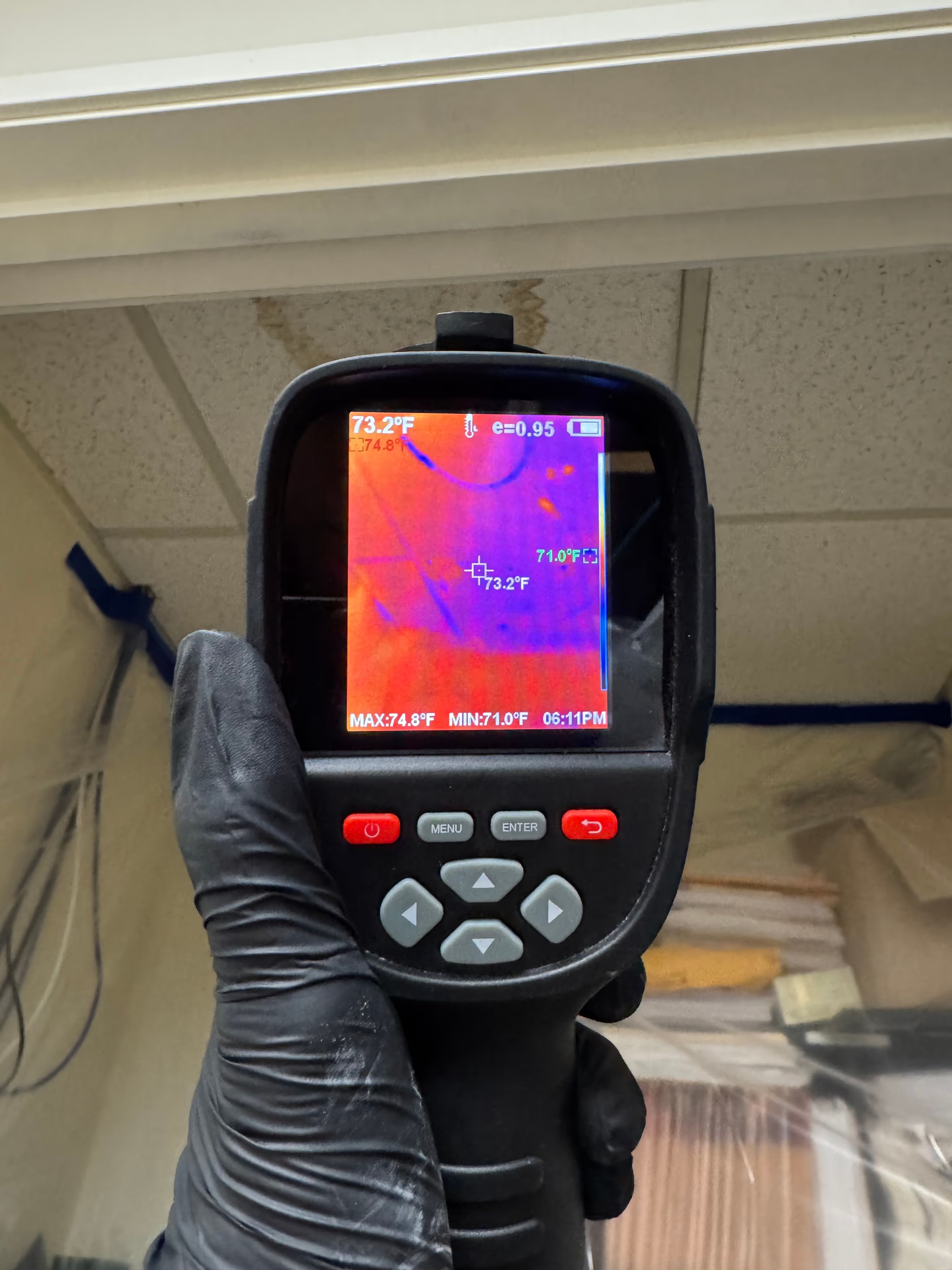
How thermal imaging mold inspection works

Our certified mold inspectors use FLIR cameras to read temperature differentials across surfaces. Cooler areas often signal water present in the material, even when no surface damage has appeared.

Our process includes:

  • A complete thermal scan of key interior and exterior surfaces
  • Identification of unusual cold or warm patterns in the readings
  • Cross-checking thermal findings with calibrated moisture meters
  • A mold inspection report including the annotated thermal images
How thermal imaging mold inspection works

Mold inspection Canoga Park FAQ

Call For An Inspection
The Los Angeles River officially begins in Canoga Park, at the confluence of Bell Creek and Arroyo Calabasas behind Canoga Park High School, fed by creeks draining the Simi Hills and Santa Monica Mountains. These channels carry the west Valley's stormwater and have limited flood capacity, so homes near the washes and low-lying streets can take on water and ground moisture during heavy winter storms. Floodwater and elevated groundwater saturate slabs, crawl spaces, and the base of walls, and mold can begin within 24 to 48 hours. Properties near the channels or on low-lying streets — especially any that took on water — are a priority for moisture assessment after a wet winter.
It does, more than many homeowners expect. The western San Fernando Valley sees prolonged summer heat that keeps cooling systems running hard, and air conditioning is itself a moisture source: condensate that isn't drained properly, cold supply ducts sweating inside hot wall and attic cavities, and oversized systems that cool without dehumidifying all leave moisture behind. Because this happens inside ducts, above ceilings, and within walls, it feeds mold in places a visual check won't reach until an odor or stain appears. In Canoga Park's climate, HVAC-driven condensation is one of the most common hidden mold sources we find, which is why an inspection here looks closely at the cooling system and duct routing.
The Lanark and Roscoe corridors and much of Canoga Park's residential core hold dense mid-century tract homes and older apartment buildings, and across this stock aging plumbing, original ductwork, and heavy summer air-conditioning make condensation and slow leaks the routine findings. Decades-old supply lines and drains develop behind-wall leaks, and original ducts sweat or leak conditioned air into cavities, feeding mold that stays hidden between units and above ceilings. In apartments, a problem in one unit can migrate through shared walls and floors into another. An inspection focused on plumbing, ductwork, and shared assemblies catches these issues before they spread.
They often do. Canoga Park began as Owensmouth in 1912, and its original downtown along Sherman Way still holds early-twentieth-century masonry commercial buildings, many reworked through decades of renovations. Those layered updates tend to seal moisture pathways behind newer finishes, so hidden mold can develop in wall cavities and above ceilings long before it becomes visible. Old masonry also wicks ground and rain moisture in ways modern cladding doesn't. For owners and tenants of these buildings, an inspection looks behind the updated surfaces — inside wall cavities, above dropped ceilings, and at the masonry-to-interior transitions — where the moisture actually sits.
Warner Center — built on the old Canoga Park airstrip — and the Topanga corridor form a dense district of high-rise offices, hotels, malls, and newer mixed-use towers. These large buildings rely on extensive HVAC and have vast flat roofs and interior volumes, so condensation, roof-drain failures, and leaks above ceiling systems drive mold in ways a house never would. Because the damage usually occurs above occupied space or inside mechanical areas that get little attention, it can spread widely before anyone notices. Commercial inspection here focuses on the HVAC system, flat-roof drainage, and the concealed spaces above ceilings.
Canoga Park was a center of the aerospace industry — Rocketdyne built rocket engines here from the 1950s — and the area still holds large industrial and warehouse buildings on long-worked ground. These big-span, flat-roofed structures face condensation, roof-drainage, and slab-moisture issues at a scale and of a kind that residential inspections don't encounter: large temperature differentials cause condensation on roof decks and cold surfaces, flat roofs pond and leak, and moisture wicks up through big concrete slabs. An inspection of an industrial building focuses on the roof and its drainage, the slab, and the condensation behavior of the large interior volume.
Canoga Park's range of building ages and types means the inspection depends on the property. In a mid-century tract home or older apartment, the focus is aging plumbing, original ductwork, and HVAC condensation; near the LA River channels, slab and crawl-space moisture and any flood history; in an older Sherman Way masonry building, moisture behind layered renovations; and in a Warner Center commercial building or an industrial warehouse, the HVAC system, flat-roof drainage, and above-ceiling spaces. Because so many of these buildings have been renovated repeatedly, older water damage may have been covered over rather than remediated. An independent inspection — with no stake in remediation — matches the check to the property and gives a clear moisture picture before you buy or lease.

Contact

Book your Canoga Park mold inspection today

Tell us what's going on and we'll respond the same day

Location

24H Mold Inspection of Canoga Park

Service area neighborhoods

  • Warner Center adjacent area
  • Sherman Way corridor
  • Topanga district
  • Owensmouth corridor
  • Lanark area
  • Roscoe Boulevard corridor
  • West Hills border area
  • Woodland Hills adjacent area
Call For Service(818) 805-2099