24H Mold Inspection
Bonita24/7 EMERGENCY(619) 752-6525
HomeOur ServicesMold InspectionThermal Imaging
Mold Inspection

Thermal Imaging

Infrared cameras find hidden mold conditions and water damage before any surface stain shows up.

Overview

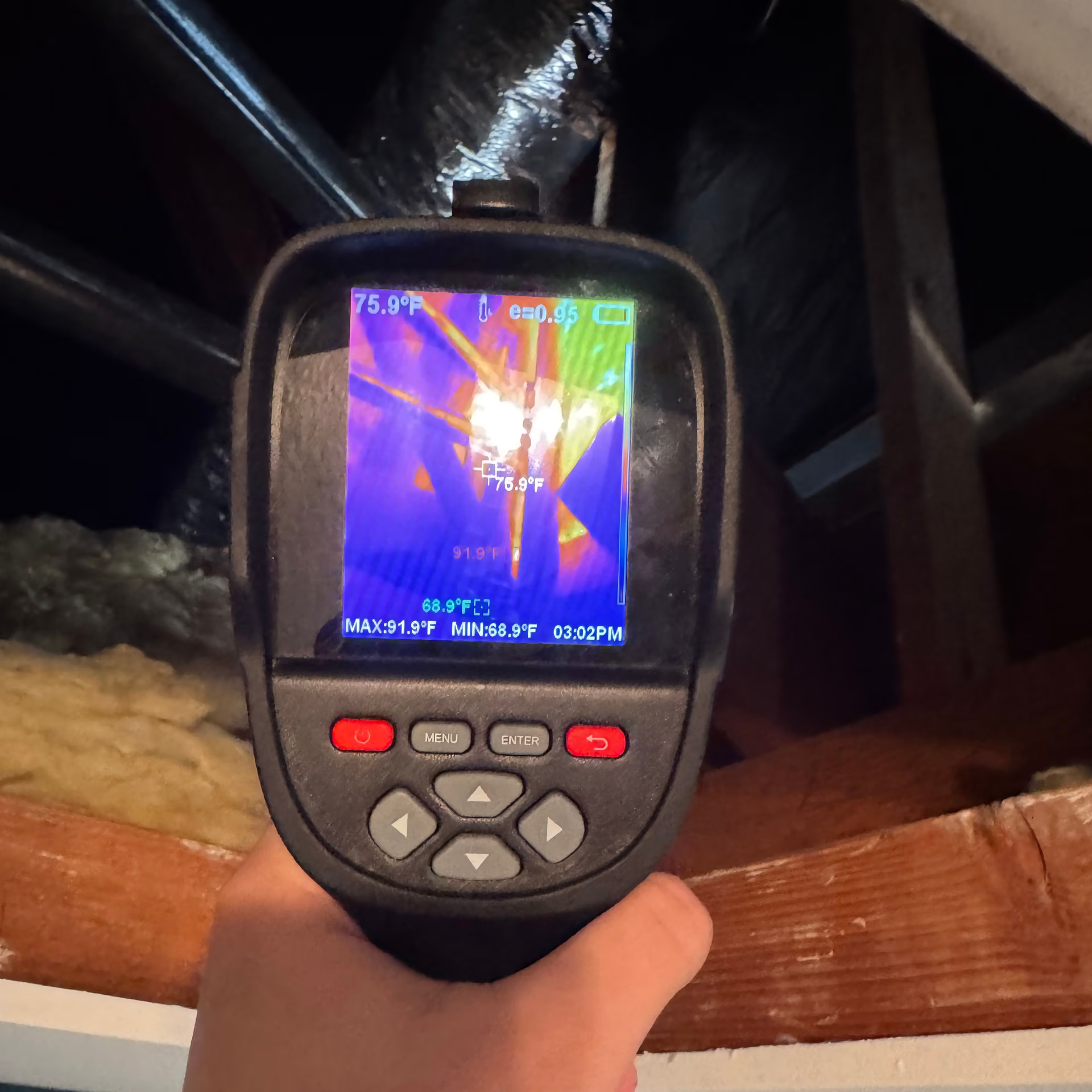
Why infrared thermal imaging finds mold others miss

Mold doesn't always announce itself. A small leak inside a wall, a stretch of failed insulation, or a cold-bridge condensation zone can build mold-friendly conditions for months before any stain reaches the surface. Thermal imaging reveals those conditions while they're still hidden, giving you a chance to address the moisture before mold has spread.

Thermal imaging detects:

  • —Hidden moisture inside walls, ceilings, and under floors
  • —Active leaks from plumbing, roofing, or HVAC components
  • —Insulation gaps and ventilation defects driving condensation
  • —Cold spots creating ideal future conditions for mold growth
Why infrared thermal imaging finds mold others miss
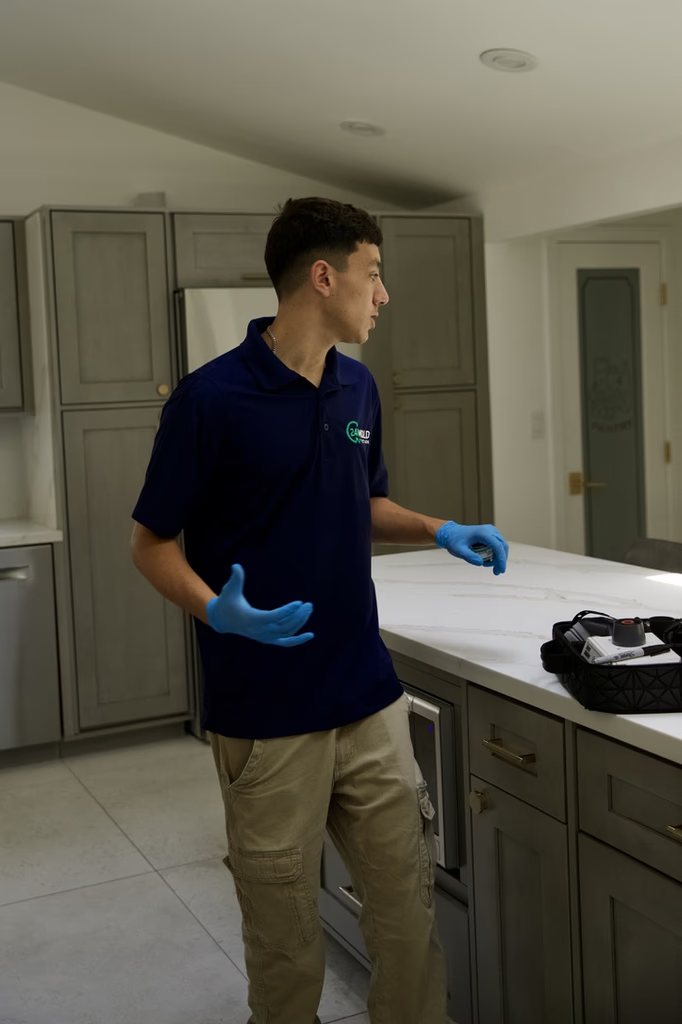
Mold inspector at work

Benefits

What you get from thermal imaging

Find hidden risks early without damaging the property

  • —Non-invasive: No drilling, no cutting, no surface damage.
  • —Early detection: Catches problems before damage becomes visible.
  • —Cost-effective: Targets repairs only where they're needed.
  • —Documented findings: Annotated thermal images included in the report.

About

How thermal imaging mold inspection works

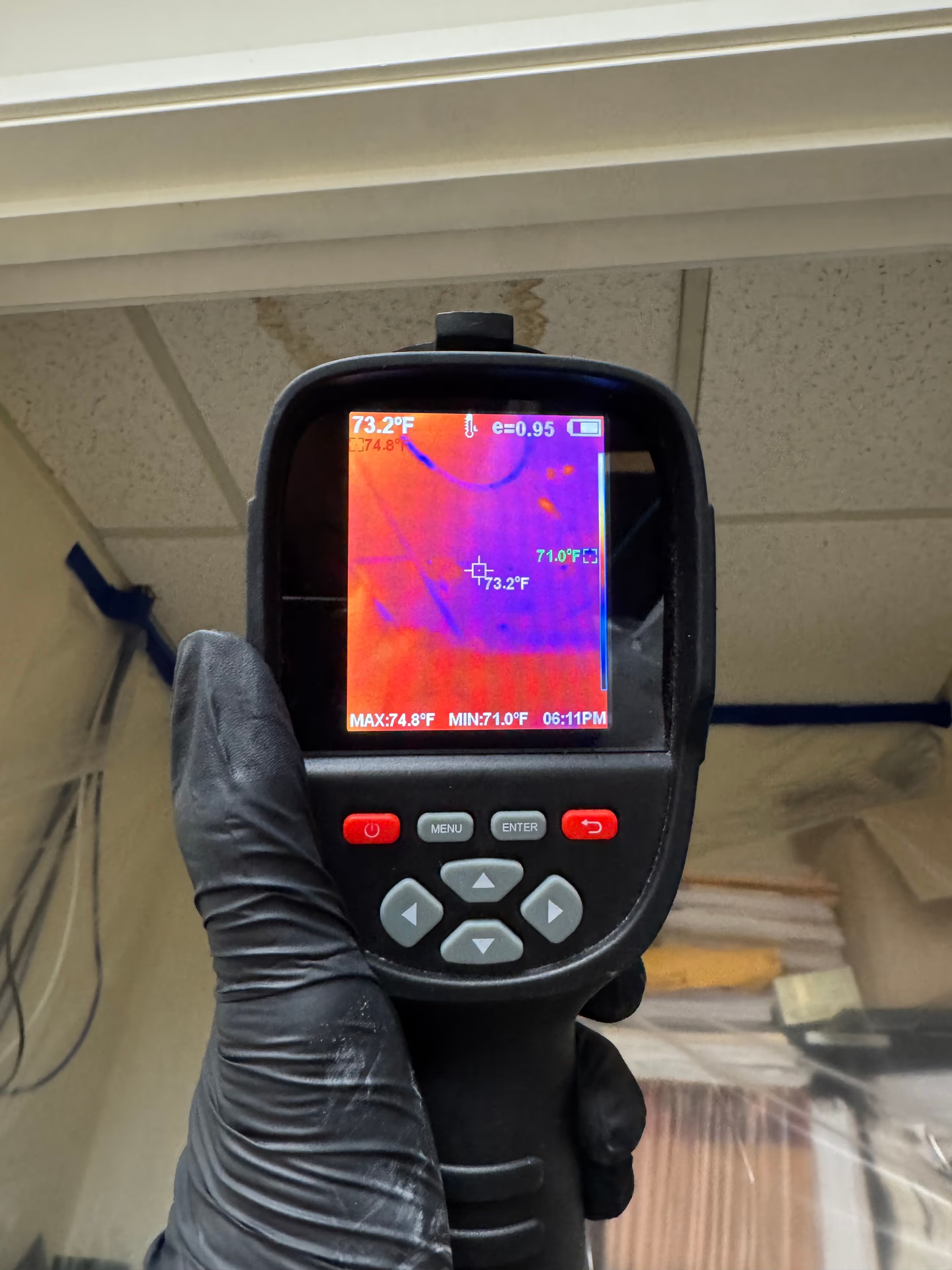
Our certified mold inspectors use FLIR cameras to read temperature differentials across surfaces. Cooler areas often signal water present in the material, even when no surface damage has appeared.

Our process includes:

  • —A complete thermal scan of key interior and exterior surfaces
  • —Identification of unusual cold or warm patterns in the readings
  • —Cross-checking thermal findings with calibrated moisture meters
  • —A mold inspection report including the annotated thermal images
How thermal imaging mold inspection works

Mold inspection Bonita FAQ

Call For An Inspection
Mature tree cover shades roofs, north walls, and the ground around a house for much of the day, which slows drying after rain and irrigation. Leaves can pack gutters and roof valleys, and irrigation overspray keeps soil and stucco damp. An inspection checks gutters, grade, the lower part of exterior walls, and the roof edge, along with the interior.
Homes on slopes or near drainage corridors take stormwater against uphill walls and retaining walls. Weep holes plug and subdrains clog with age, so water collects at downhill foundations and in below-grade rooms. An inspection looks at the downhill foundation face, grade, and drainage, plus the interior, with thermal imaging and moisture meters.
They can. Barns, stables, tack rooms, and wash racks combine constant water use, animal humidity, and minimal ventilation, and moisture can migrate toward adjacent living spaces. Outbuildings should be assessed separately from the main residence, and the report should list each structure on its own.
Homes from the 1960s through the 1990s are now 30 to 65 years old. Plumbing is near end of life, roofs and flashing are on their second or third round, bath fans often vent into the attic, and original drainage details are aging. Thermal imaging and moisture meters find hidden moisture a visual check misses.
Yes, especially for hillside homes, larger-lot and equestrian properties, and homes beside golf courses. The inspection covers thermal imaging for behind-wall moisture, slab or crawl-space readings, attic ventilation, roof and flashing condition, grading and drainage, and sampling where growth is suspected. Independent documentation before closing protects you from inheriting a slow, hidden problem.
Our Bonita team covers the community of Bonita and nearby South County neighborhoods, with same-day and next-day appointments and 24/7 emergency response. Several neighboring cities each have their own 24H Mold Inspection page with a local team. If your property is in one of them, start with that page. If you are not sure which page fits your address, call the number on this page and we will point you to the right team.
The inspection is the diagnosis. We map moisture, identify the source, and send samples to a state-certified lab, then deliver a written report with the extent of growth, the cause, and a defined scope. A separate contractor does any cleanup, because we perform inspection and testing only. We can return for independent post-remediation verification.

Contact

Book your Bonita mold inspection today

Tell us what's going on and we'll respond the same day

Location

24H Mold Inspection of Bonita

Hours

  • MondayOpen 24 hours
  • TuesdayOpen 24 hours
  • WednesdayOpen 24 hours
  • ThursdayOpen 24 hours
  • Friday6 AM – 6 PM
  • SaturdayClosed
  • SundayOpen 24 hours

Service area neighborhoods

  • Bonita Long Canyon
  • Bonita Highlands
  • Sweetwater Valley
  • Bonita Woods
  • Lynwood Hills
  • Rolling Hills Ranch adjacent area
  • Bonita Golf Course area
  • Sweetwater Reservoir vicinity
Call For Service(619) 752-6525