24H Mold Inspection
Troy24/7 EMERGENCY(877) 594-2782
HomeOur ServicesMold TestingSwab Testing
Mold Testing

Swab Testing

Mold swab testing handles the textured, damp, and irregular surfaces where mold often grows without any visible sign.

Overview

Why mold swab testing matters

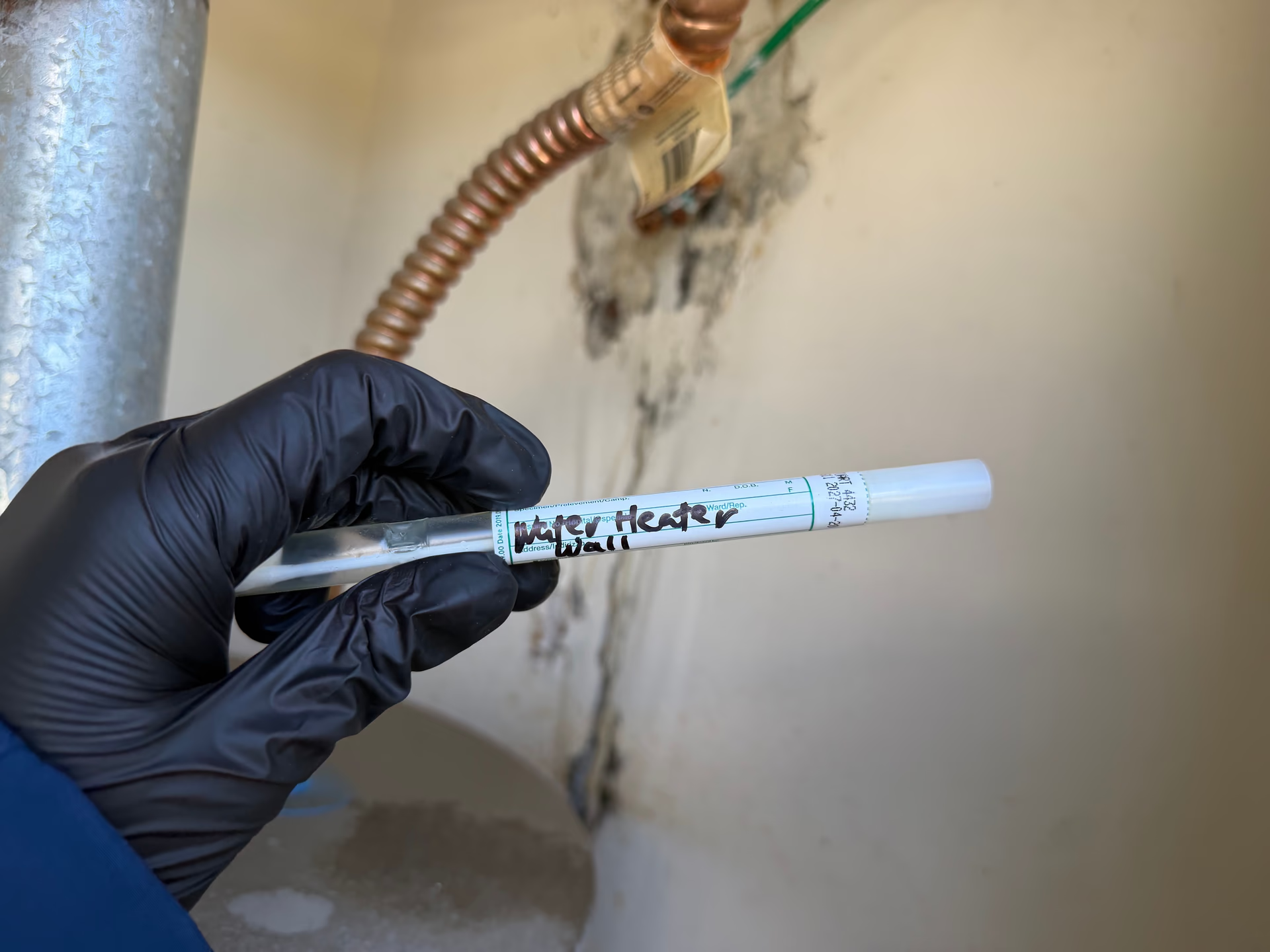
Mold grows in damp areas without always showing on the surface. Swab testing detects microbial growth on materials that are soft, porous, or moisture-prone, and is the right approach after water damage or in spaces that resist visual inspection.

Mold swab testing detects:

  • —Hidden mold on porous or textured materials
  • —Growth in damp spots like under sinks or around HVAC
  • —Contamination on organic materials including wood and fabric
  • —Mold that visual inspection alone tends to miss
Why mold swab testing matters
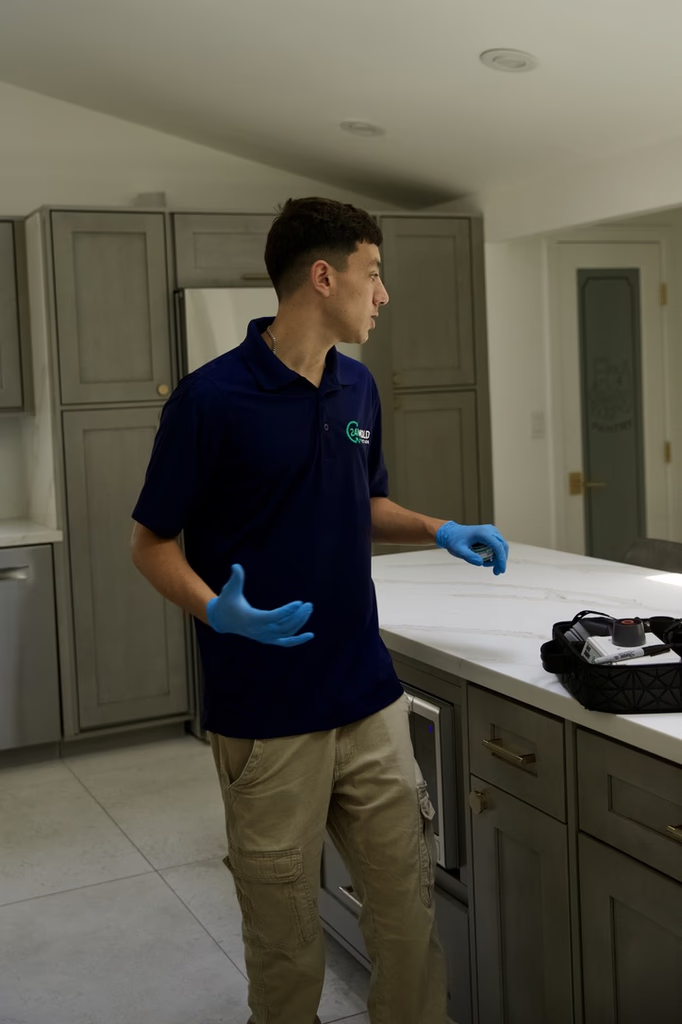
Mold inspector at work

Benefits

What you get from swab testing

A flexible method for hard-to-sample surfaces

  • —Moisture-ready: Designed for damp and water-damaged materials.
  • —Flexible: Handles uneven, porous, and irregular surfaces.
  • —Confirmatory: Validates mold presence in hidden or subtle areas.
  • —Lab-backed: Lab-verified results with species identification.

About

How mold swab testing works

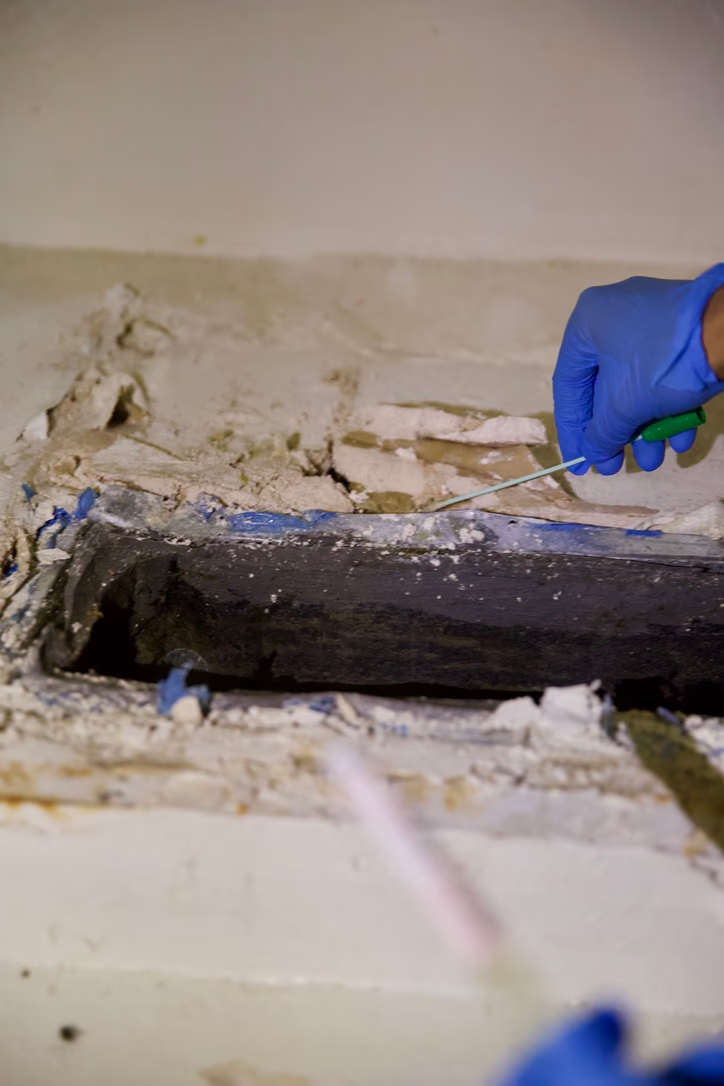
Our certified mold inspectors gently rub a sterile swab across the suspect area to collect a sample, then seal it and send it to a state-certified lab for mold species identification and contamination level.

Our process includes:

  • —Sterile collection from textured surfaces and porous materials
  • —Coverage of damp surfaces and hard-to-reach spots
  • —Lab work returning spore counts and lab-verified results
  • —A mold inspection report with clear next steps
How mold swab testing works

Mold inspection Troy FAQ

Call For An Inspection
West Troy's postwar housing is now at the age where multiple original systems are failing in the same decade rather than sequentially. Original aluminum windows without thermal breaks have directed condensation moisture into wall cavities across forty-plus Michigan winters. Original galvanized and first-generation copper plumbing develops slow behind-wall leaks at fittings and transitions that are invisible until the drywall shows damage. Slab-on-grade foundations from this era develop moisture migration at expansion joints and cracks as the concrete cycles through Michigan's freeze-thaw season annually. When three or four of these systems begin failing simultaneously, moisture accumulation in wall cavities and below the slab accelerates faster than any single failure would suggest.
In the Big Beaver corridor's 1970s and 1980s office buildings, moisture is a consistent finding — and the mechanism is typically building-system aging rather than any single failure. Flat commercial roofs from this era develop drain failures and ponding that produce slow ceiling leaks invisible above suspended ceiling systems. Curtain-wall glazing systems lose their seals and allow water into the wall cavity at any floor in the building. Original HVAC systems develop condensate accumulation inside air handlers and duct chases. For building owners, property managers, and commercial tenants, an inspection documents the moisture condition and its source in a form that's useful for insurance claims, lease negotiations, and remediation contractor bids.
Air quality testing for mold draws a measured volume of air through a spore trap at each area of concern alongside an outdoor control sample taken at the same visit. The outdoor sample establishes the local background spore level, and the indoor results are interpreted against that baseline rather than against a generic national reference range — what matters is whether indoor counts are elevated above what's present outside, not the raw number. In Troy, air testing is the right choice when someone has respiratory symptoms or smells something musty but there's nothing visible to sample, when a space has been recently renovated and the work may have disturbed dormant growth, and when a post-remediation clearance is needed to confirm that contractor work succeeded.
For residential properties adjacent to Troy's industrial and research corridors along I-75 and I-696, the industrial history context is relevant in a specific way. Soil contamination from former industrial operations can affect groundwater chemistry and drainage patterns in ways that influence how moisture behaves around foundations — though soil contamination itself is outside mold inspection scope and belongs to a licensed environmental consultant. What we document is the moisture condition and its source. If a residential property's basement or crawl space moisture pattern is consistent with groundwater influence from adjacent industrial land, the report notes that context so the property owner can pursue the appropriate environmental assessment alongside any mold remediation work.
Pre-purchase inspection is especially worth doing for properties in Troy's southern and western border neighborhoods — the 1940s and 1950s housing stock in these areas carries a different moisture risk profile than the newer development that defines most of Troy, and buyers sometimes underestimate how old the systems in these properties actually are. The inspection covers thermal imaging for behind-wall moisture at plumbing and chimney locations, crawl space or basement assessment, attic condition and ventilation, and air or surface sampling where visible growth is present. The written report with lab results gives you a documented moisture picture before closing rather than discovering a long-running problem after.
Our Troy team covers all of Troy — Big Beaver corridor, West Troy, East Troy, the Sylvan Lake area, and the industrial and research corridors — alongside the immediately adjacent communities of Clawson, Madison Heights, and Hazel Park, with same-day and next-day appointments and 24/7 emergency response. Auburn Hills has its own dedicated 24H Mold Inspection page with local coverage details. If your property is in Auburn Hills, that page will have the most relevant local information and contact number.
Inspection and testing only. Troy's commercial real estate market — where building owners, tenants, and property managers all have different interests in the outcome of a moisture assessment — benefits specifically from an inspection company that performs no remediation work. A company with cleanup work to sell has a financial reason to find more of it; our findings carry no such interest. What you receive is the diagnosis: extent of growth, moisture source, lab-confirmed species, and a written scope that all parties can use to evaluate contractor proposals on the same terms.

Contact

Book your Troy mold inspection today

Tell us what's going on and we'll respond the same day

Location

24H Mold Inspection of Troy

Hours

  • MondayOpen 24 hours
  • TuesdayOpen 24 hours
  • WednesdayOpen 24 hours
  • ThursdayOpen 24 hours
  • Friday6 AM – 6 PM
  • SaturdayClosed
  • SundayOpen 24 hours

Service area neighborhoods

  • Troy
  • Clawson
  • Madison Heights
  • Hazel Park
  • Sylvan Lake
  • Auburn Hills (adjacent)
Call For Service(877) 594-2782