24H Mold Inspection
Livonia24/7 EMERGENCY(734) 469-7779
HomeOur ServicesMold InspectionThermal Imaging
Mold Inspection

Thermal Imaging

Infrared cameras find hidden mold conditions and water damage before any surface stain shows up.

Overview

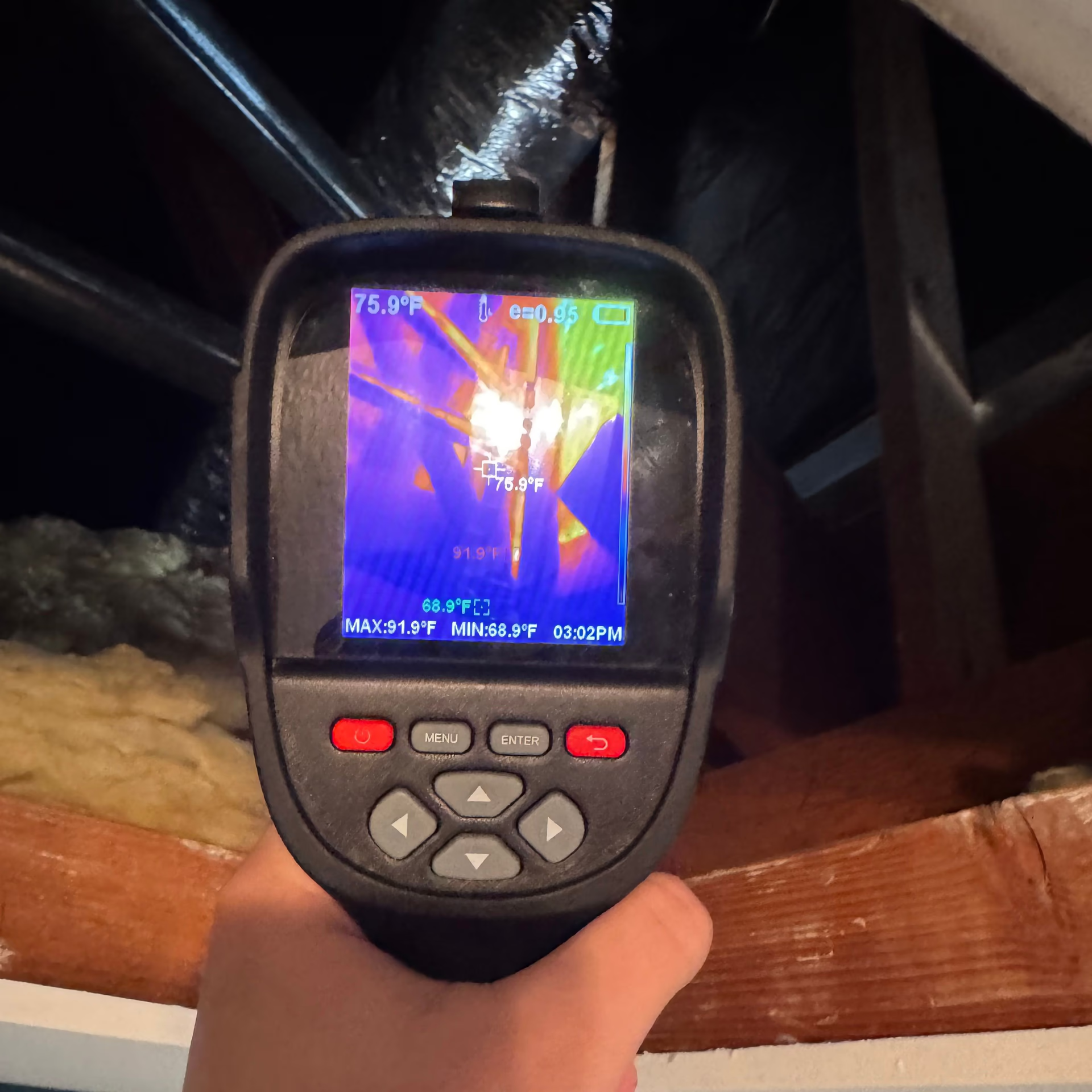
Why infrared thermal imaging finds mold others miss

Mold doesn't always announce itself. A small leak inside a wall, a stretch of failed insulation, or a cold-bridge condensation zone can build mold-friendly conditions for months before any stain reaches the surface. Thermal imaging reveals those conditions while they're still hidden, giving you a chance to address the moisture before mold has spread.

Thermal imaging detects:

  • —Hidden moisture inside walls, ceilings, and under floors
  • —Active leaks from plumbing, roofing, or HVAC components
  • —Insulation gaps and ventilation defects driving condensation
  • —Cold spots creating ideal future conditions for mold growth
Why infrared thermal imaging finds mold others miss
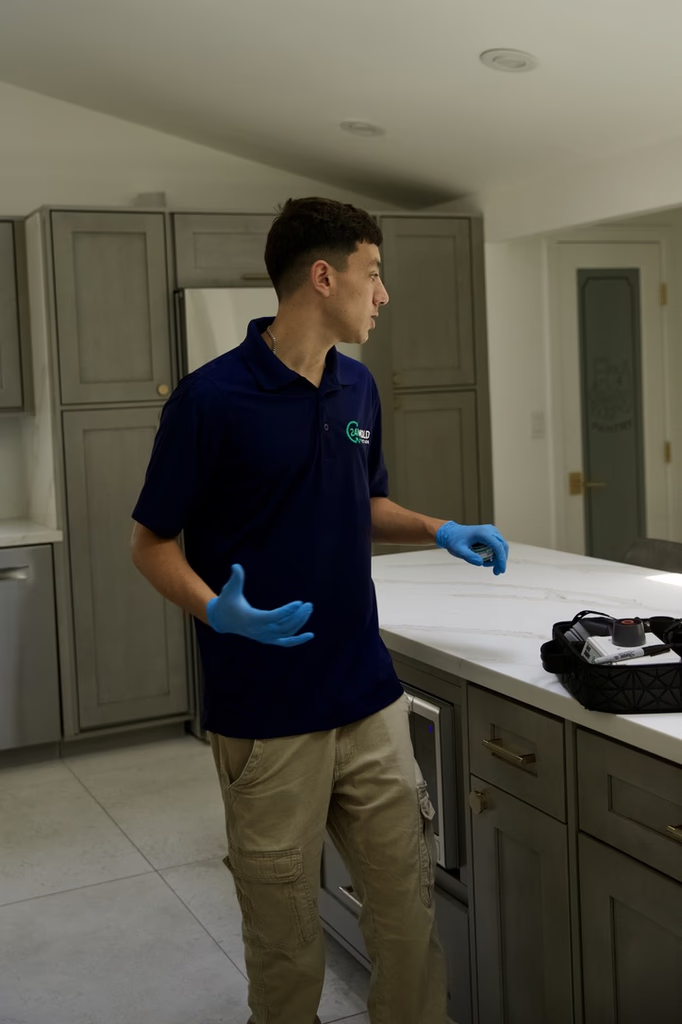
Mold inspector at work

Benefits

What you get from thermal imaging

Find hidden risks early without damaging the property

  • —Non-invasive: No drilling, no cutting, no surface damage.
  • —Early detection: Catches problems before damage becomes visible.
  • —Cost-effective: Targets repairs only where they're needed.
  • —Documented findings: Annotated thermal images included in the report.

About

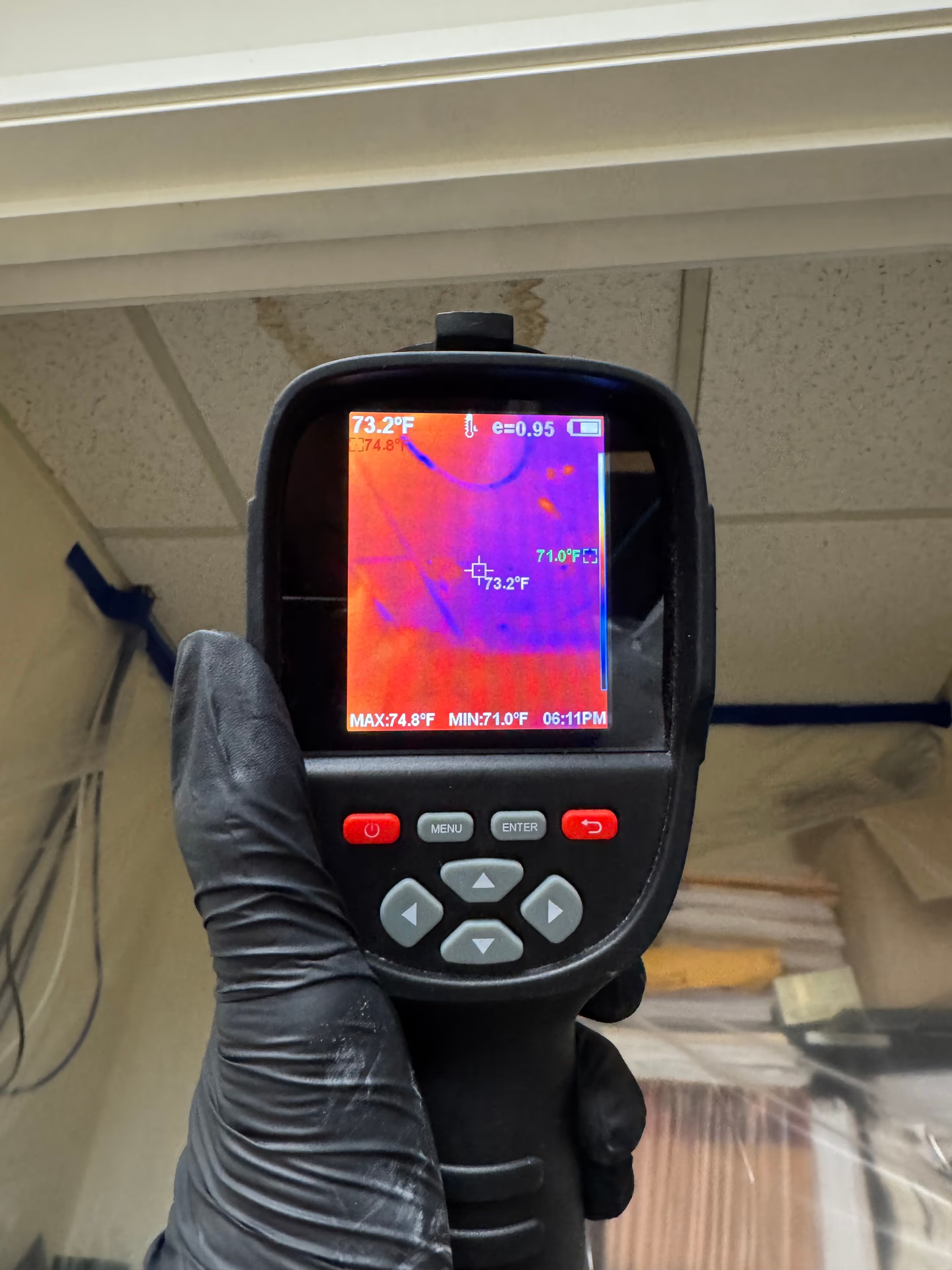
How thermal imaging mold inspection works

Our certified mold inspectors use FLIR cameras to read temperature differentials across surfaces. Cooler areas often signal water present in the material, even when no surface damage has appeared.

Our process includes:

  • —A complete thermal scan of key interior and exterior surfaces
  • —Identification of unusual cold or warm patterns in the readings
  • —Cross-checking thermal findings with calibrated moisture meters
  • —A mold inspection report including the annotated thermal images
How thermal imaging mold inspection works

Mold inspection Livonia FAQ

Call For An Inspection
Livonia was built out almost entirely in the 1950s and 1960s, which means an enormous proportion of the city's housing carries the same aging-system risk profile simultaneously. Original galvanized supply lines from this era corrode from the inside out and develop slow leaks at fittings inside wall cavities — invisible until the drywall shows damage, sometimes after the line has been weeping for months. Slab-on-grade foundations from this era have expansion joints and any cracks that have developed through 60 to 70 Michigan freeze-thaw cycles, and those become the pathways through which spring thaw ground moisture migrates into the slab. Original HVAC systems develop condensate drain failures as they age, depositing moisture inside air handler cabinets and the wall cavities adjacent to mechanical rooms.
Yes — and the housing age makes it particularly valuable. When most of the city's homes were built in the same two-decade window, the inspection is less about whether systems might be aging and more about which systems have already begun failing. The inspection covers thermal imaging for behind-wall moisture at plumbing and chimney locations, slab moisture readings at expansion joints and any visible cracks, attic condition and ventilation adequacy, and crawl space condition where applicable. In Livonia's competitive real estate market, having independent moisture documentation before closing protects you from inheriting a long-running problem — slow plumbing leaks and foundation moisture migration are often the most expensive discoveries to make after the sale.
An independent mold inspection means the company performing the inspection has no financial interest in the remediation work that follows. A company that both inspects and remediates has a financial reason to find more mold than the instruments confirm — the larger the remediation scope, the more revenue. 24H Mold Inspection of Livonia performs inspection and testing only, which means the findings reflect what the thermal camera, moisture meters, and lab analysis actually show. For Livonia's rental market — where landlords and tenants sometimes have conflicting accounts of a moisture condition's extent and origin — that independence is what makes the report credible to both parties and useful in a dispute.
The Rouge River and its tributaries drain through Livonia's southern neighborhoods and have flooded sections of the surrounding Wayne County communities multiple times. While Livonia's lots are generally above flood stage, the watershed's drainage patterns mean that sustained spring rain events keep ground moisture elevated in the lower blocks of the Westland and Garden City border neighborhoods longer than Livonia's interior neighborhoods. Properties in Livonia's southern tier that sit in drainage basins — low spots in the topography where storm runoff concentrates — experience higher sustained ground moisture against their foundations than the surrounding neighborhood average suggests.
Livonia's rental stock — concentrated particularly along the Redford Township and Westland borders — consists largely of converted 1950s single-family homes where high occupancy loads original construction that was designed for a family of four. Bath fans that exhaust into attic space rather than outside, original single-pane windows condensing in Michigan winters, and cooking and laundry humidity with inadequate ventilation keep relative humidity above the threshold where surface mold grows year-round in these properties. For landlords, independent inspection documentation establishes the condition of a unit at the time of inspection in a form that holds up in a habitability dispute. For tenants, it provides lab-verified evidence of a condition the landlord is obligated to address.
Our Livonia team covers all of Livonia along with the adjacent communities of Westland and Garden City with same-day and next-day appointments and 24/7 emergency response. Several neighboring cities have their own dedicated 24H Mold Inspection pages: Farmington Hills, Novi, and Plymouth each have separate coverage with their own local teams. Redford Township is served from the Livonia team. If your property is in Farmington Hills, Novi, or Plymouth, those pages will have the most relevant local information.
Yes — and the timing matters significantly. Mold can begin establishing within 24 to 48 hours of sustained moisture in the right conditions, which means a basement flood or a pipe failure that isn't fully dried within that window creates real risk. Testing after a water damage event establishes whether mold growth has begun, where it's active, and which species are present — information that determines the urgency and scope of any remediation. In Livonia's older housing stock, where a slow slab leak or plumbing drip may have been running longer than the visible damage suggests, testing establishes the full extent of growth rather than just what the visible stain reveals. The report is what an insurer needs to authorize remediation work.

Contact

Book your Livonia mold inspection today

Tell us what's going on and we'll respond the same day

Location

24H Mold Inspection of Livonia

Hours

  • MondayOpen 24 hours
  • TuesdayOpen 24 hours
  • WednesdayOpen 24 hours
  • ThursdayOpen 24 hours
  • Friday6 AM – 6 PM
  • SaturdayClosed
  • SundayOpen 24 hours

Service area neighborhoods

  • Livonia
  • Westland (adjacent)
  • Garden City (adjacent)
  • Redford Township (adjacent)
  • Plymouth Township (adjacent)
  • Farmington Hills (adjacent)
Call For Service(734) 469-7779